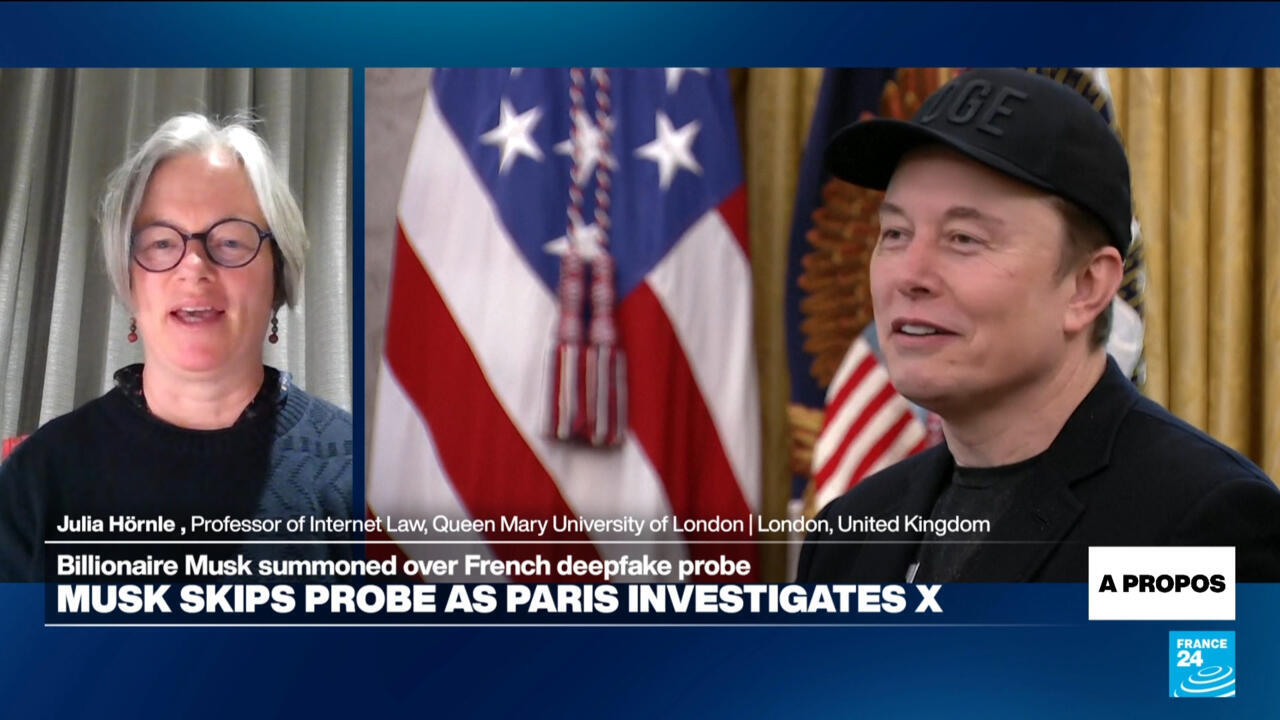
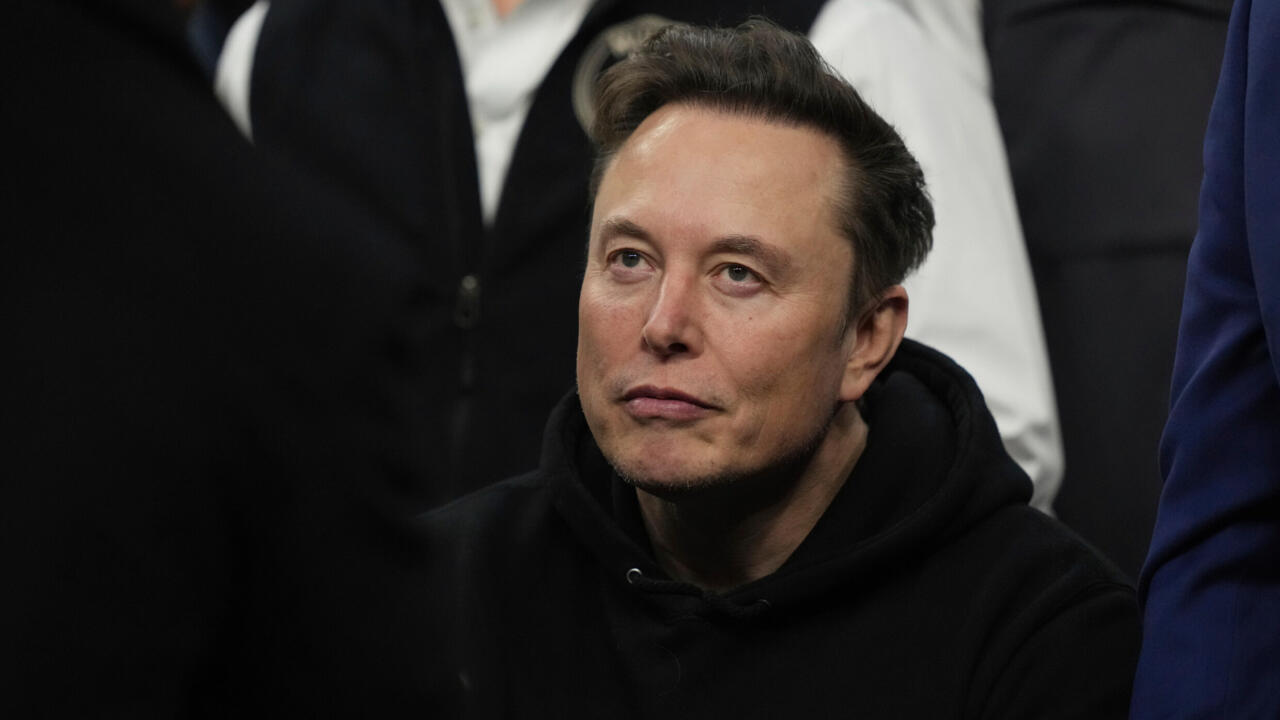
France Escalates Pressure: Elon Musk Summoned Over
The French government has taken a decisive step in the ongoing global confrontation over digital regulation, formally summoning Elon Musk, the owner of X (formerly Twitter), to respond to a wide-ranging probe into the platform’s compliance with European digital safety laws. This move marks a significant escalation in the standoff between the European Union and the tech billionaire, with implications that resonate far beyond the borders of France. The Digital Services Act (DSA) Mechanism The probe centers on compliance with the Digital Services Act (DSA), a landmark EU regulation designed to hold large online platforms accountable for the content they host. Under the DSA, platforms like X are required to actively mitigate systemic risks, including the spread of illegal content, disinformation, and cyber-harassment. France’s regulatory authorities are investigating whether X has failed to adequately resource its moderation teams and provide transparency into its algorithmic processes. The DSA allows the EU to impose fines of up to 6 percent of a company’s global annual turnover. Investigations cover issues such as "shadow banning," the verification of bot accounts, and the removal of hate speech. Musk’s "free speech" absolutist approach is being tested against the strict regulatory requirements of the European market. Global digital rights advocates are watching this development closely. For years, social media giants have operated with minimal oversight, arguing that they are merely conduits for user-generated content. The DSA effectively shifts this paradigm, placing a burden of responsibility on platforms to act as stewards of the digital public square. Critics of the law argue it creates a slippery slope for state censorship, while proponents maintain that it is the only way to prevent the erosion of democratic discourse. Implications for Global Tech Regulation The summons carries weight because it challenges the notion that tech giants are above national or regional laws. If France succeeds in holding X accountable, it sets a global precedent. Nations in Africa, including Kenya, are actively monitoring these developments. As Kenya explores its own digital safety legislation, the European model provides a template for balancing user freedom with the need for platform accountability. Kenyan regulators are often cautious, fearing that strict regulation could stifle local innovation, yet the surge in online misinformation and cyberbullying in the country necessitates a clear legal framework. Musk’s response to the summons will likely be aggressive. Historically, he has used his platform to attack regulators, framing their oversight as political bias. However, the European market is too large to ignore, and the risk of being barred from the EU, or forced to pay debilitating fines, could eventually compel X to comply with the DSA’s transparency and safety requirements. The Future of the Digital Square The confrontation in Paris is more than just a regulatory dispute; it is a battle for the soul of the internet. It pits the open, chaotic nature of the early web against a future where online platforms are subject to the same standards of duty and care as traditional media organizations. As the investigation proceeds, the global tech landscape will have to reckon with the reality that the age of unchecked digital growth is coming to an end. Whether through European regulation or shifting global norms, the platforms that define our digital lives will increasingly be forced to answer to the citizens and governments they serve.