MoD loses track of 95,000 'fit and willing' veterans for urgent recall
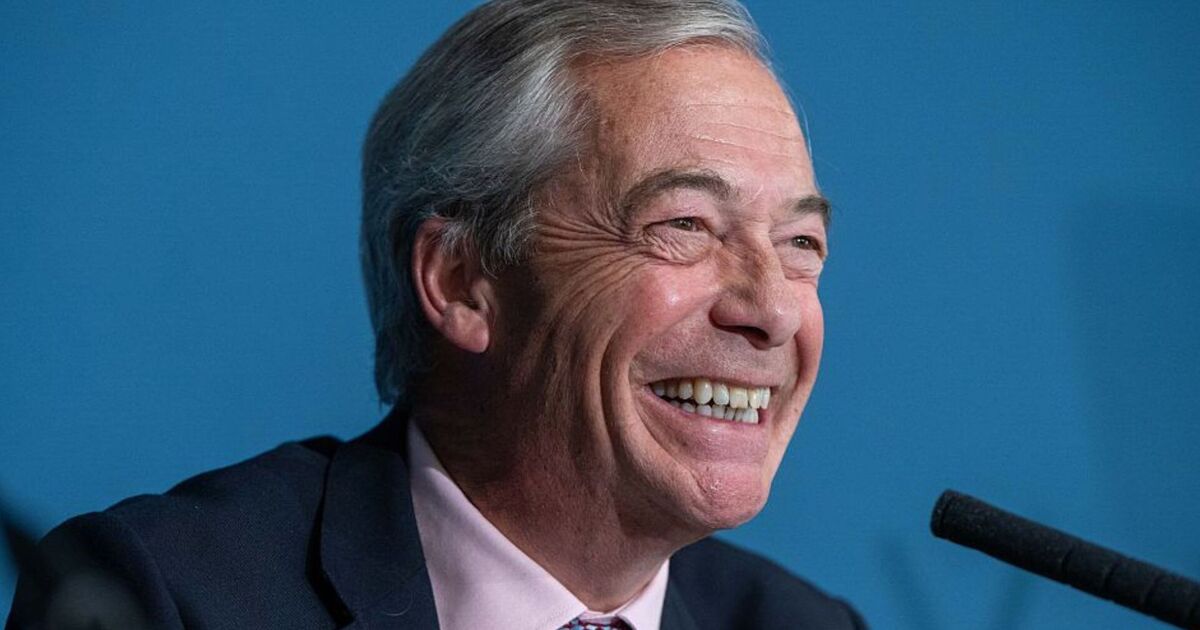
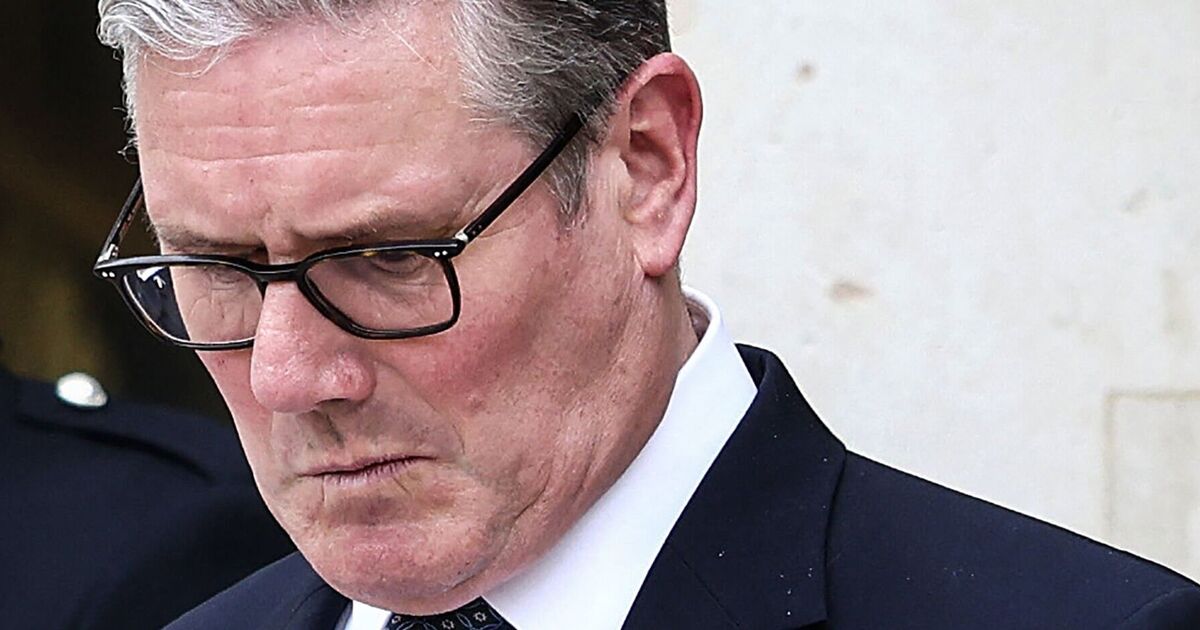
Lord George Robertson said the MoD currently doesn't know where most strategic reservists are (Image: Getty)The Ministry of Defence has allegedly lost track of the pool of military veterans they can recall in a national emergency. Britain's strategic reserve is made up of some 95,000 former service personnel and recall reservists, who are deemed an integral part of the country's defence capability.Former Labour defence secretary, Lord George Robertson said the MoD currently doesn't know where most of them are. The peer's bombshell claim came after the former NATO secretary general warned earlier this week that the UK is underprepared for war and the country cannot afford to provide the necessary investment with an "ever-expanding welfare budget".Keir Starmer brushed off Lord Robertson's criticism (Image: Getty)Lord Robertson was discussing the role of the strategic reserve and its place in the Strategic Defence Review he co-authored last year.In comments quoted by the Guardian newspaper, he said at an event in Salisbury: "We need to sort of round up those who are available and fit and willing to be able to do it."Britain's strategic reserve includes the regular reserve, former service personnel who have an ongoing legal liability to train and to be called out if needed.The number of people estimated to be liable for recall under the strategic reserve is about 95,000.Contact with former military personnel is kept up by the MoD for the first six years after they have left service via an annual letter.According to the Guardian, records haven't been maintained for a larger group of former servicemen and women who left more than six years ago.An MoD spokesperson told the publication: "We recognise the importance of the strategic reserve, which is why we are delivering on the Strategic Defence Review through our Armed Forces Bill."The Bill will expand our pool of reserves by increasing the maximum age limit for recall, enable seamless transfer between regular and reserve forces and give the defence secretary power to authorise recall for warlike operations."We are also constantly improving our data and communicating with our strategic reserve community to mobilise talent rapidly when it matters most."The Government in January introduced legislation to Parliament which includes a proposal to raise the maximum age at which some former personnel can be recalled.Its Armed Force Bill proposes raising the age from 55 to 65 as well as harmonising the length of time liability for recall lasts after leaving service across the Army, Royal Air Force and Royal Navy.A further proposal is to widen the reasons for recall to include "warlike preparations" in addition to the current approach which recall is for "national danger", a "great emergency" or "attack on the UK".Lord Robertson accused Prime Minister Sir Keir Starmer's Government of "corrosive complacency" in a series of scathing remarks he made on Tuesday (April 14).He said the Iran war should be a "rude wake-up call" to force ministers to take action. The peer said: "We are underprepared. We are underinsured. We are under attack. We are not safe... Britain’s national security and safety is in peril."There is a funding gap of around £28billion in existing defence plans, and the MoD, Treasury and Downing Street are deadlocked over how to proceed with the new 10-year plan, according to the Financial Times.The plan detailing how the Government will deliver the SDR’s recommendations was meant to be published in autumn last year, but it has still not been produced.Responding to the peer's criticism on Wednesday, Sir Keir told the Commons: "Let me start by saying I respect Lord Robertson and I thank him again for carrying out the strategic (defence) review."My responsibility is to keep the British people safe, and that is a duty I take seriously. That is why I don’t agree with his comments."Last February, that was seven months after taking office, I took the decision to increase defence spending from 2.3% to 2.6%, paid for by my difficult decision on overseas aid."Last June, at the NATO summit, I committed to raising core defence spending to 3.5%. Last November, the budget committed record funding to defence. I reaffirm those commitments now."The strategic defence review is a 10-year blueprint for national security. The defence investment plan (Dip) will put that into effect. It will be published as soon as possible."