Most dangerous strain of mpox detected for the first time in major West Coast city
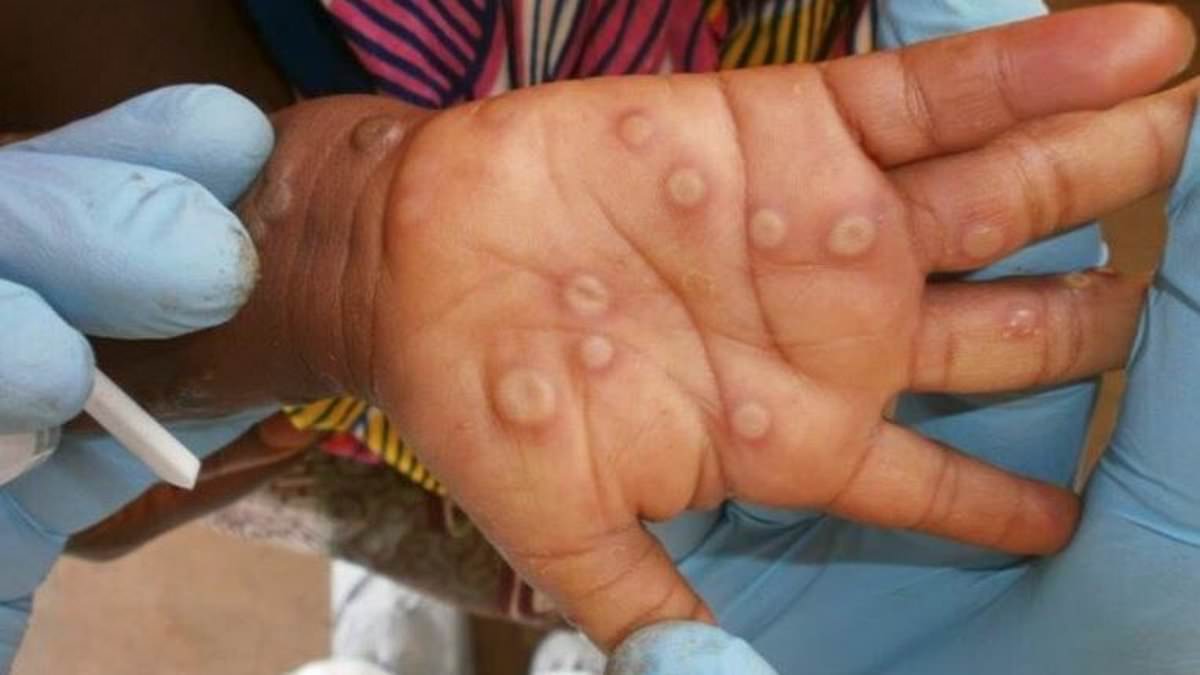
San Francisco has become the latest US city to confirm a case of the more dangerous strain of mpox, following a quiet yet concerning upward trend in the US over the past two years.The patient is an unvaccinated adult who was hospitalized but is now improving, city health officials said. The person had close contact with someone who traveled internationally.It marks the first Clade I case in San Francisco, but it is not an isolated event. Other cities in California, New York City and other jurisdictions have now reported the strain, including several cases with no history of travel, indicating it is no longer solely an imported problem.Mpox, formerly known as monkeypox, is mostly spreading locally among gay and bisexual men, according to health officials, without any known links to Africa, where the strain is endemic.Mpox is a virus related to smallpox, but milder. It causes fever, swollen lymph nodes, body aches and extreme fatigue. Then, a rash develops, involving pimples or blisters that can show up on the face, hands, chest, genitals or inside the mouth.The rash is painful. It goes through stages: flat spots, firm bumps, pus-filled blisters, then scabs. The whole process can take weeks and you can spread the virus from the moment symptoms start until every scab falls off and fresh skin forms.The concern with Clade I is its severity. During the 2022 outbreak, the US saw Clade II, which kills fewer than 3 percent of untreated patients. Clade I has historically killed up to 10 percent of patients in Africa, though experts say US hospitals would likely bring that number down.Still, officials are watching the spread closely and high-risk individuals are encouraged to get vaccinated with two doses of JYNNEOS, which works against both strains. Mpox is a virus related to smallpox, but milder. It causes fever, swollen lymph nodes, body aches, extreme fatigue and a rash (stock image)
‘SFDPH is closely monitoring mpox,’ Dr Susan Philip, the city’s health officer, said in a statement.‘While Clade I mpox cases remain rare in the United States, Clade II mpox cases continue to occur in San Francisco and throughout California.’The risk posed by Clade I mpox to most Americans remains low, according to the CDC, though the risk to men who have sex with men is considered moderate.The agency reported that by March, the US had seen 15 Clade I mpox cases, including four diagnosed that month. Every patient was recovering, the agency said.All of those patients either traveled to Central or Eastern Africa, traveled to Western Europe where newer outbreaks are occurring or had contact with someone who did. Federal officials said they expect additional cases to crop up in Europe and the US.Clade I mpox spreads the same way as Clade II. Infected people can spread the virus to others through skin-to-skin contact. That includes sex, but also hugging, cuddling, kissing and sharing bedding or towels.Mpox can pass from a pregnant person to their fetus or newborn and from animals to humans through bites, scratches or fluid contact, but these routes are not fueling the current US outbreak. What remains unclear is whether the virus spreads via semen, vaginal fluid, urine or stool. The graph shows the dips and rises of mpox cases so far this year. The total of Clade I cases so far in 2026 comes to 15, with four occurring in March alone According to San Francisco health officials, travelers heading to Clade I mpox outbreak areas who may have sex with a new partner should get vaccinated, regardless of sexual orientation or gender identity (stock)Once the virus infiltrates the body, it moves slowly. Symptoms typically start to appear one to three weeks after exposure. The long incubation period means someone can feel fine, travel and have intimate contact, all while unknowingly harboring the virus.Then, the rash appears, which patients describe as ‘agonizing’ lesions so painful that swallowing, walking, or sitting becomes unbearable. In severe cases, the sores can become infected with bacteria, leading to sepsis.Some people need hospital care for pain management or IV fluids and antibiotics.Scarring is one of the most debilitating side effects. Deep lesions can leave permanent pitted scars on the genitals, face or corneas, potentially causing vision loss if the eyes are affected.Unlike chickenpox, mpox lesions heal slowly and can leave disfiguring marks for life.Another hidden danger is to immunocompromised people, especially those with untreated HIV, who face much higher risks of severe disease or death. In Africa, most fatal Clade I cases have occurred in people with underlying immune problems.People who are male, trans, nonbinary, queer or gender non-conforming and have sex with men should speak to their doctors about vaccination.San Francisco health officials said that people who are planning travel to a country where Clade I mpox is spreading and may have sex with a new partner while there, regardless of sexual orientation or gender identity, should also get the vaccine.