New Hungarian PM vows to end "fake news" State broadcaster
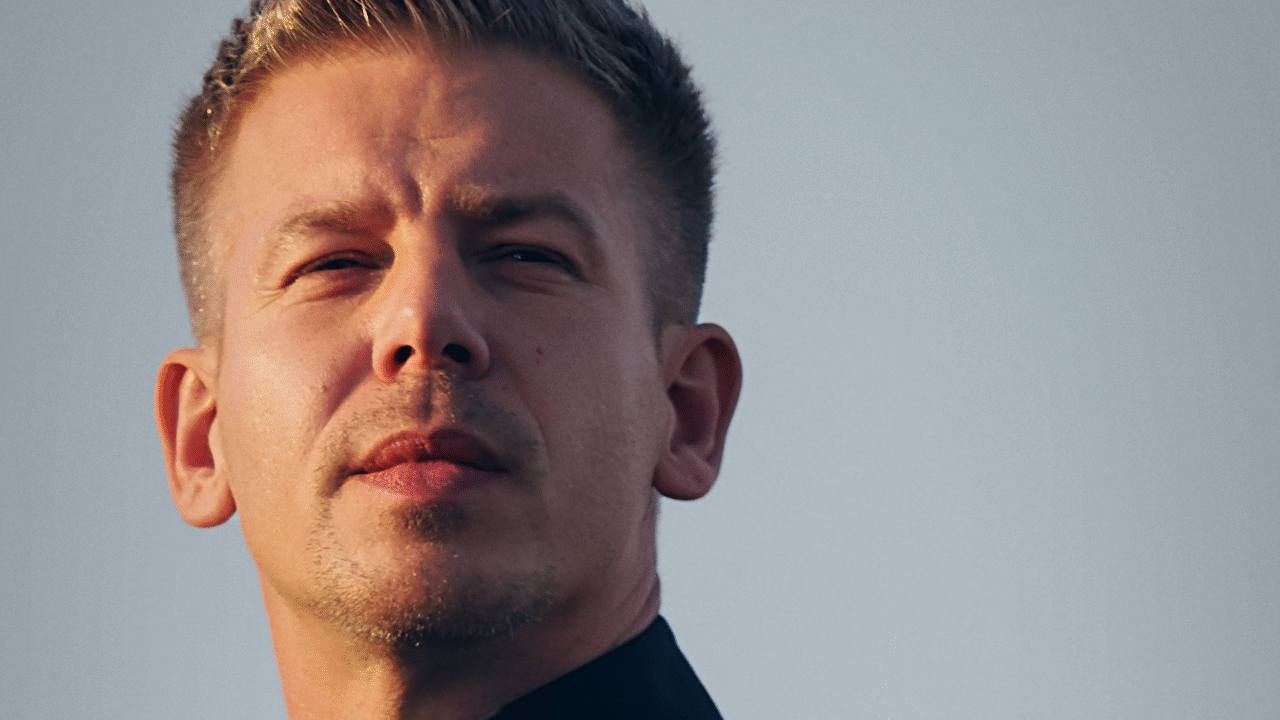
Hungary’s prime minister-elect Péter Magyar has pledged to dismantle what he described as a “North Korea”-style state broadcasting system, accusing it of operating a level of propaganda that even “Goebbels” would admire.
Magyar, leader of the Tisza Party, made the remarks during an appearance on public radio and television on Wednesday morning – his first on the national broadcaster in 18 months. His party secured a decisive victory in Sunday’s election, paving the way for a new government with a strong mandate.
During the broadcast, Magyar outlined plans to suspend the signal of the national broadcaster once his administration takes office. He framed the move as a central element of his programme, aimed at restructuring Hungary’s media landscape.
“One element of our programme is that this factory of lies will end once a Tisza government is formed,” he said.
“The fake news broadcast here must stop, and we will create independent, objective and impartial conditions to end this propaganda.”
The state media authority, MTVA, has maintained that it repeatedly invited Magyar to appear during the election campaign. Wednesday’s interview marked a rare direct exchange between the incoming prime minister and the broadcaster he has sharply criticised.
Magyar accused the station of spreading false claims about his personal life, including statements about his relationship with his children.
“In this studio, it has been said several times that my minor children do not speak to me – while they live with me,” he said.
The presenter rejected the allegations, responding: “I would like to reject, on behalf of all my colleagues, the claims that we insulted your family.”
Magyar widened his criticism to the broader role of state media over the past decade.
“What has been happening here since 2010 is something that Goebbels or the North Korean leadership would admire – not a single true word being spoken. This cannot continue,” he said.
His proposed approach has drawn comparisons with steps taken in Poland in 2023 under Prime Minister Donald Tusk, whose government moved to overhaul public broadcasting following its election victory, dismissing management of the State broadcaster.