Breakthrough science, unequal survival
Some of the most recent breakthroughs in modern medicine have been pioneered in blood cancer.
Stem cell transplants that were once experimental are now routine and life-saving. CAR T-cell therapy, where a patient’s own immune system is engineered to attack the cancer, is delivering remarkable results. In some cases, people who had been told nothing more could be done are now cancer-free years later.
These innovations have been step-changes to better survival in some blood cancers. And what starts in blood cancer has historically gone on to transform cancer as a whole. Chemotherapy, radiotherapy and immunotherapy were all initially developed and trialled in blood cancer.
Yet, for all this progress, blood cancer remains the UK’s third biggest cancer killer: 310,000 people are currently living with or in remission from blood cancer in the UK, and survival rates continue to lag-behind countries of similar wealth and health.
Subscribe to the New Statesman today and save 75%
For those facing the hardest-to-treat blood cancers, including myeloma, some leukaemias and aggressive lymphomas, just one in three will survive for five years.
The stark reality is that the science is moving faster than the system delivering it. And we know outcomes are not equal – survival can depend on where someone lives, their socioeconomic background or ethnicity.
Uneven access
Innovation in research alone does not improve outcomes. Access to treatments is an essential component.
For people with blood cancers, particularly those with the hardest-to-treat forms, survival can depend on whether they’re treated in the right place, by the right specialist team, at the right time.
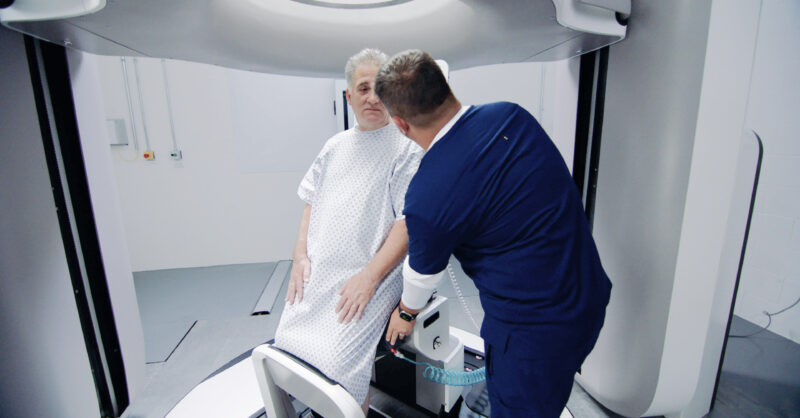
Blood cancer care is becoming increasingly specialised. Treatments like CAR T-cell therapy are only available in a limited number of highly specialist centres. These centres bring together the expertise and infrastructure needed to safely deliver complex, high-risk treatments.
But access to that expertise isn’t equal. Where you live can shape whether you’re offered the latest therapies and whether clinical trials are even an option. The reality is a postcode lottery in cancer care. For some, it means travelling long distances to access specialist centres. For others, it can mean missing out entirely on the most advanced treatments.
Nowhere is this clearer than in access to clinical trials. For some patients – particularly those with aggressive or relapsed blood cancers – trials offer the best chance of improved outcomes.
Yet too many people are never given that chance, access remains uneven, shaped by geography, awareness and capacity within the NHS.Only 38 per cent of people with blood cancer in England – and 21 per cent in Scotland – said they had discussed research opportunities. At Blood Cancer UK, we see both sides of this challenge. We have invested more than £500m in research, helping to drive the breakthroughs that are transforming blood cancer treatment. But we also see how difficult it can be for patients to access those advances.
Our Clinical Trials Support Service, one of the first of its kind in the UK, helps patients and families navigate what can be an overwhelming system. Specialist nurses provide personalised support, helping people understand their options, identify relevant trials, and have informed conversations with their clinical teams. Since launching, the service has supported well over 500 people.
We see the same challenge at diagnosis. Being told you have blood cancer is life-changing, yet too many patients are left to navigate that moment alone. That’s why our direct referral service, now live in 21 NHS trusts, enables healthcare professionals to connect patients to specialist support at the point of diagnosis. More than 800 people have already been referred, showing how simple, scalable changes can ensure patients feel supported from day one.
Patients need support, and systems need to be designed, so that innovation reaches everyone who could benefit. And even when treatment is available, it is rarely easy.
Blood cancer treatment can be relentless. Intensive chemotherapy often leaves patients severely immunocompromised, at risk of life-threatening infections, and too unwell to leave their homes. Stem cell transplants often require weeks in isolation, followed by months – sometimes years – of recovery.
From ambition to action
The government’s new National Cancer Plan for England is an important step forward.
It reflects a growing recognition that improving cancer outcomes is not just about new treatments, but about how care is delivered across the system. Commitments to expand access to trials and strengthen specialist care have the potential to make a real difference.
We were also pleased to see the commitment to expanding the Diagnosis Connect service into cancer. This will link patients at point of diagnosis to cancer charity support services and it is important that patients are signposted to the most appropriate charity at this point that can provide the cancer-specific support they require to navigate their diagnosis and the system.
But plans do not deliver outcomes. Systems do. We have seen successive cancer strategies with the right ambitions. What has been harder is delivering them consistently across the NHS. The reasons are well understood: workforce shortages, rising demand, and the increasing complexity of cancer care. Blood cancer sits at the intersection of all three.
Treatments are becoming more advanced. Patients are living longer, often with ongoing care needs. And specialist expertise is critical at every stage. Clinical nurse specialists are central to this. They coordinate care, support patients through treatment, and help them navigate an often overwhelming system.
Yet nearly a third of people with blood cancer say they do not know who their clinical nurse specialist is, meaning they are missing out on vital support. Without the workforce to deliver care, advances will not reach patients. The National Cancer Plan sets a clear ambition. But unless we address the underlying inequities in access to specialist care, trials, and workforce, that ambition will remain out of reach for too many people.
The UK has been a global leader in blood cancer research. Breakthroughs are real. But the true test of progress is not what is possible in a lab. It is what patients experience in the clinic. Get this right, and we have a real opportunity to change survival for one of the country’s biggest cancer killers. Get it wrong, and we risk a future where innovation exists, but inequality persists.
At Blood Cancer UK, we stand ready to work with government, the NHS and partners to ensure this Plan delivers real change.
Together we can be the generation that finally beats blood cancer.