Formal inquiry ordered into Northern Ireland Troubles legacy investigative body
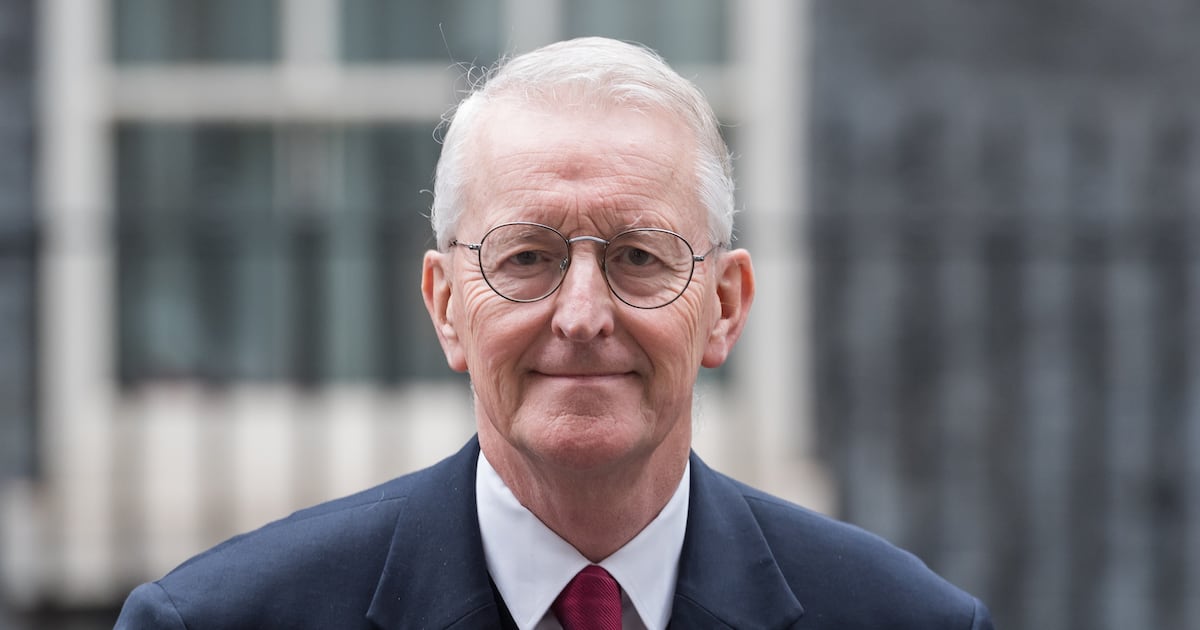
A formal inquiry has been ordered into Northern Ireland’s legacy body following an earlier investigation that highlighted major governance and cultural failings.The Independent Commission for Reconciliation and Information Recovery (ICRIR) has been dogged by problems since it was created as part of controversial legacy legislation passed by the Conservatives before they lost power in 2024.To date, it has already spent £70 million (€80.5 million) and is seeking “hundreds of millions” more to complete hundreds of investigations into killings committed by the IRA and other paramilitaries, the British army and the Royal Ulster Constabulary, among others.Currently, however, the ICRIR has approximately 150 people involved in investigations – far too few in the eyes of those who want the body to be an organisation more driven by its core task.READ MORESinn Féin swaps cynical populism for pragmatism on Northern Ireland property tax risesHuman rights and Irish language activists among President’s Council of State appointmentsIn Northern Ireland, the ‘armed patriarchy’ is alive, well and terrorising womenLabour’s century-long hold on Wales faces collapse – but why?It has approximately 120 administrative staff, including 16 full-time lawyers, which Police Service of Northern Ireland (PSNI) Chief Constable Jon Boutcher has pointed to, saying that the Operation Kenova he led did not have a single lawyer on staff.Last year, Northern Secretary Hilary Benn ordered an inquiry headed by Peter May, who found serious internal governance weaknesses and cultural problems at senior level within the ICRIR that pointed to “systemic leadership and organisational failings”.In a statement to the House of Commons on Wednesday, Benn said the ICRIR headed by former judge Declan Morgan has “worked hard to build trust so that it can start delivering answers for victims and families”.Despite criticisms from Sinn Féin and others that the body has no credibility, more than 270 families of Troubles’ victims have already brought their cases to the body, with more than 100 active investigations under way.The body is facing a number of problems resulting, in Peter May’s view, “from a combination of the 2023 Legacy Act itself, internal governance shortcomings and the culture of the organisation at senior levels.”Since then, he has met each of the body’s commissioners and has established a joint ICRIR-NIO oversight committee to ensure that the May review’s recommendations are addressed.The Section 36 inquiry that has now been ordered, however, is far more powerful, with legal powers to make recommendations to Westminster for wholesale reforms to the legacy body.“It is vital that the Commission’s important work continues on behalf of victims, survivors and their families, as they seek to find answers after so many years,” Benn told MPs.“The internal challenges faced by ICRIR as a new public organisation tasked with a complex statutory role must not detract from this,” he said, adding that he would “do everything” to ensure reforms are delivered.The “significant” new inquiry ordered by Benn will focus heavily on whether the ICRIR has been financially well-run since its creation, where complaints have been heard about its administrative competence.In the eyes of some experts, the ICRIR has little more than third of the investigators it needs if it is to fulfil its mandate. Currently, An Garda Síochána does not deal with it because it does not regard it as a policing-led body.Some civil service quarters are accused of trying to limit the number of investigations to ensure that it does not become “another Operation Kenova” investigation, informed sources have told The Irish Times.So far, the ICRIR has spent nearly a third of the budget it was originally allocated by London, yet it has so far failed to produce a single report on an individual murder committed during the Troubles.This failure is blamed by informed quarters not on the ICRIR’s head, Declan Morgan, or other senior figures, but, rather, because it has just “35 per cent to 40 per cent of the investigators needed”, The Irish Times has been told.