DVLA: Motorists could have driving licences stripped and be fined £1,000 for breaching eyesight rules
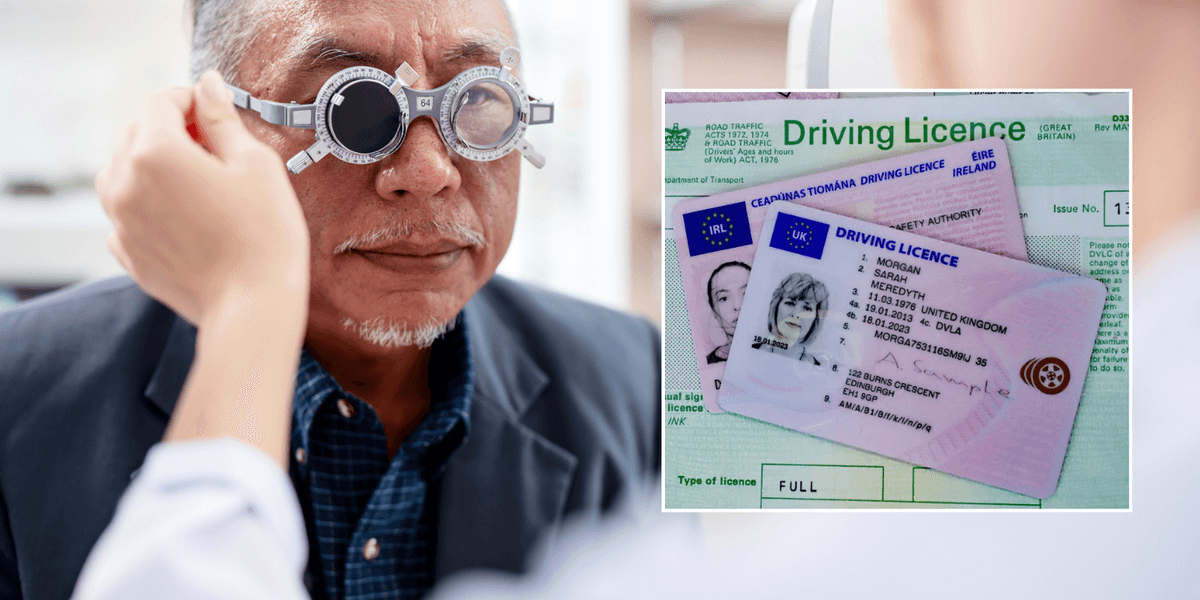
Drivers could be at risk of DVLA fines, invalidating their insurance and prosecuted for travelling with a medical condition impacting their vision on UK roads.Double vision, known medically as diplopia, causes a person to see two images of a single object, which can have serious consequences for road safety and the law.Under DVLA rules, anyone who develops the condition must inform the agency, with failure to do so potentially leading to a hefty fine and, in more serious cases, prosecution. Drivers who do not declare the condition to their insurer are at risk of claims being refused after an accident.Dr Nadeem Ali, a consultant surgeon specialising in squints and double vision, said many people are unaware of the rules. He stated: "Many people assume that if they can manage their symptoms, they can continue driving. But from a regulatory perspective, double vision raises an immediate red flag. "If you are seeing two images, your depth perception and spatial awareness are compromised, and that has obvious implications at any speed."The DVLA can temporarily take away a driving licence while medical evidence is reviewed to determine whether the driver can safely travel behind the wheel. Drivers with double vision can be fined by the DVLA | GETTY/PAIf the condition is stable and fully controlled, for example, with special prism lenses or by covering one eye, driving may be allowed. However, if the double vision is not controlled, motorists can be told to stop driving altogether, as they are deemed to be a danger.The impact can be even greater for professional drivers, with motorists with Group 2 licences, including lorry and bus drivers, having to meet stricter vision standards. A diagnosis of double vision could mean they are no longer able to work.Dr Ali said: "If someone has an accident and it later emerges that they had a double vision that wasn't declared, the financial consequences can be devastating. It could be treated as driving without valid insurance, which exposes the individual to personal liability for damages."Drivers can treat double vision with surgery or by wearing prism lenses | GETTYDouble vision is more common later in life, due to the muscles that control eye movement weakening, the expert explained.It can also be linked to conditions such as minor strokes, diabetes-related nerve problems, thyroid eye disease, or head injuries."In adults, even a small change in eye muscle balance can tip someone into diplopia," Dr Ali explained. "Patients often describe it as sudden and disorientating, you cannot accurately judge distance, and road markings or oncoming vehicles may appear duplicated or blurred."In some cases, the vision issue can improve on its own, while others can be managed with prism glasses. But in more persistent cases, surgery may help restore normal vision.Drivers can have their licence taken away for failing to disclose medical conditions | PADr Ali added: "Restoring single vision through surgery is not just about comfort. For many patients, it means regaining their independence and, subject to DVLA approval, their ability to drive legally again."With more people in the UK driving later into life, the specialists explained how awareness of the condition and the rules will become increasingly important. Anyone who experiences sudden double vision has been advised to seek urgent medical advice, with drivers reminded that it remains their responsibility to inform the DVLA.