Residents' fury over housing influx in Lake Tahoe
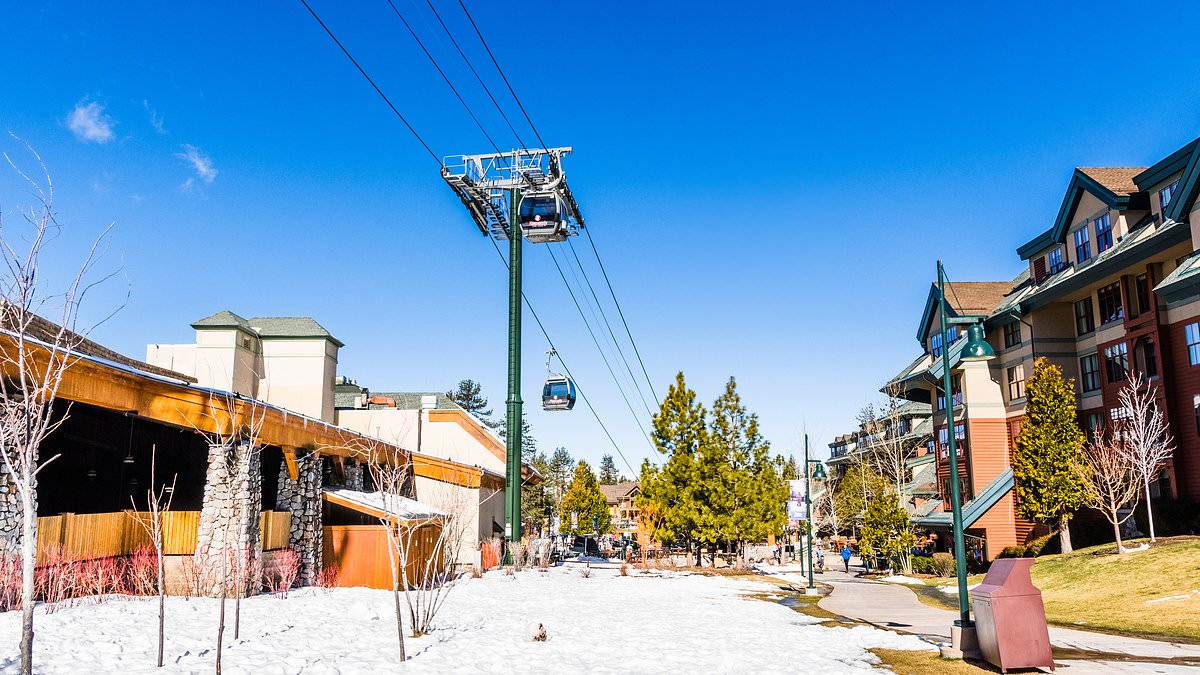
Lake Tahoe has become one of America's most desirable yet unaffordable places to live - and residents say the situation is only getting worse. Locals have reported a surge in so-called 'mushroom homes,' compact, multi-level vacation properties that often sit empty for much of the year while replacing long-term, affordable housing. Such properties have sprouted up like a fungus and spread throughout the area. And now, a new order approved by the South Lake Tahoe City Council will allow these homes to expand even more. The total cap on short-term rental permits has been raised to 900, up from the previous limit, while a long-standing rule demanding that at least 150 feet stand between properties has been scrapped.Density Dilemma The buffer rule had previously prevented permits from being issued to homes located within 150 feet of another short-term rental, effectively spacing them out and limiting clustering in residential neighborhoods. Its removal means properties can now operate much closer together, opening the door for far more homes to enter the short-term rental market. City officials say the changes will support the local economy, potentially allowing roughly 300 previously denied properties to apply. However, some locals argue the move will intensify pressure on the housing market by reducing the number of homes available for long-term residents, making affordable housing even harder to find. Highlighting the scale of the issue, one longtime Tahoe resident wrote on Reddit: 'It's really sad to witness the utter destruction of communities for greed.'Moving Off the Hill 'I used to see people from all walks of life in the local grocery stores - my kid's teachers, the USPS clerk, the plumber who worked on my home, even my primary care physician, who had to move off the hill due to housing costs. 'Residents have fought back against short-term rentals in neighborhoods, and some cities and counties have responded with restrictions, regulations and fees. 'But the pro-STR contingent with investments in the game have also fought back. It's a precarious situation and has destroyed Tahoe living, in my opinion.' Another commenter added: 'I agree. I moved back to the mountains for the community I remembered as a little girl growing up here. 'The neighborhoods are now mostly either empty, a short-term rental, or a house packed full of struggling locals. It has killed the community feel.' A survey conducted last year in the Tahoe Basin found that 66 percent of respondents are housing cost-burdened, meaning they spend between 30 percent and 50 percent of their income on rent - a figure critics warn could worsen as more properties shift toward short-term rentals. Participants cited rising rents, increasing insurance and utility costs, and poor housing conditions as their biggest challenges. Housing instability is also a growing concern. Around 15 percent of respondents said they have experienced homelessness at some point while living in the Tahoe Basin, with some reporting sleeping in their vehicles or moving frequently between friends' homes. Across the US, several cities have moved to restrict or ban short-term rentals such as Airbnb in an effort to combat housing shortages and rising rents, forcing thousands of properties back onto the long-term market. Strict regulations - including mandatory registration, zoning restrictions and owner-occupancy rules - are now common in places like New York City, New Orleans, and Irvine. But despite pressure from residents, South Lake Tahoe is moving away from a total residential ban on short-term rentals. A proposal to cap the number of second homes in the city was rejected by the council in late March, marking a significant turning point in the ongoing battle over 'mushroom homes.' Council member Scott Robbins, who proposed the second-home cap, told the San Francisco Chronicle he was disappointed by the outcome. 'Families have fled Tahoe to be replaced by retirees and second-home owners who don't live here,' he said. 'The result is a reduction in workforce, a reduction in businesses that serve local needs instead of tourist needs, and a catastrophic decline in school funding.' According to the San Francisco Chronicle, more than 7,100 of the city's housing units are classified as 'vacant', with nearly 6,000 designated for seasonal, recreational or occasional use. In parts of the north shore, including the Sunnyside–Tahoe City area, vacancy rates are nearing 70 percent, based on the most recent census data. Property prices reflect the strain. Data from Realtor.com shows the median listing price in South Lake Tahoe is around $728,000 - roughly 75 percent higher than the national median of about $415,000. Rents are also elevated, with average monthly costs at around $2,000, compared to the national average of $1,895. Robbins added: 'There is far, far too much deference to the interests of Realtors who want house prices to keep going up. 'So long as that is what controls local government here in resort towns, we're not going to see meaningful, rigorous solutions to the housing crisis.'