The Urgent Need for Transgender Visibility in Today's U.S.A.
“To be visible and trans often means to experience a profound embodied freedom, yet face exclusion, rejection and threats of violence from a society that aggressively polices heteronormativity…Positive visibility matters because it reminds the broader public that transgender people are not abstractions or political talking points, but neighbors, coworkers, family members and friends whose lives contain the same hopes, struggles and dignity as anyone else’s.”
Maxwell Kuzma
This is the opinion of Maxwell Kuzma, writing as a guest voice for The National Catholic Reporter on March 31, Transgender Day of Visibility. Visibility, Kuzma argues, is more crucial than ever at a time when the U.S. government is working to erase the transgender community through restrictive laws and policies.
Trans people, Kuzma says, “are incredibly scrutinized and targeted by politicians hoping that sponsoring severe legislation against a tiny group of people will distract from their failures to materially improve conditions for everyone else.”
According to Kuzma, Donald Trump has used the sarcastic catch phrase “transgender for everybody” 50 times since returning to office in 2025. He’s mentioned affordability less than half that many times, despite rising costs being top of mind for nearly every American voter.
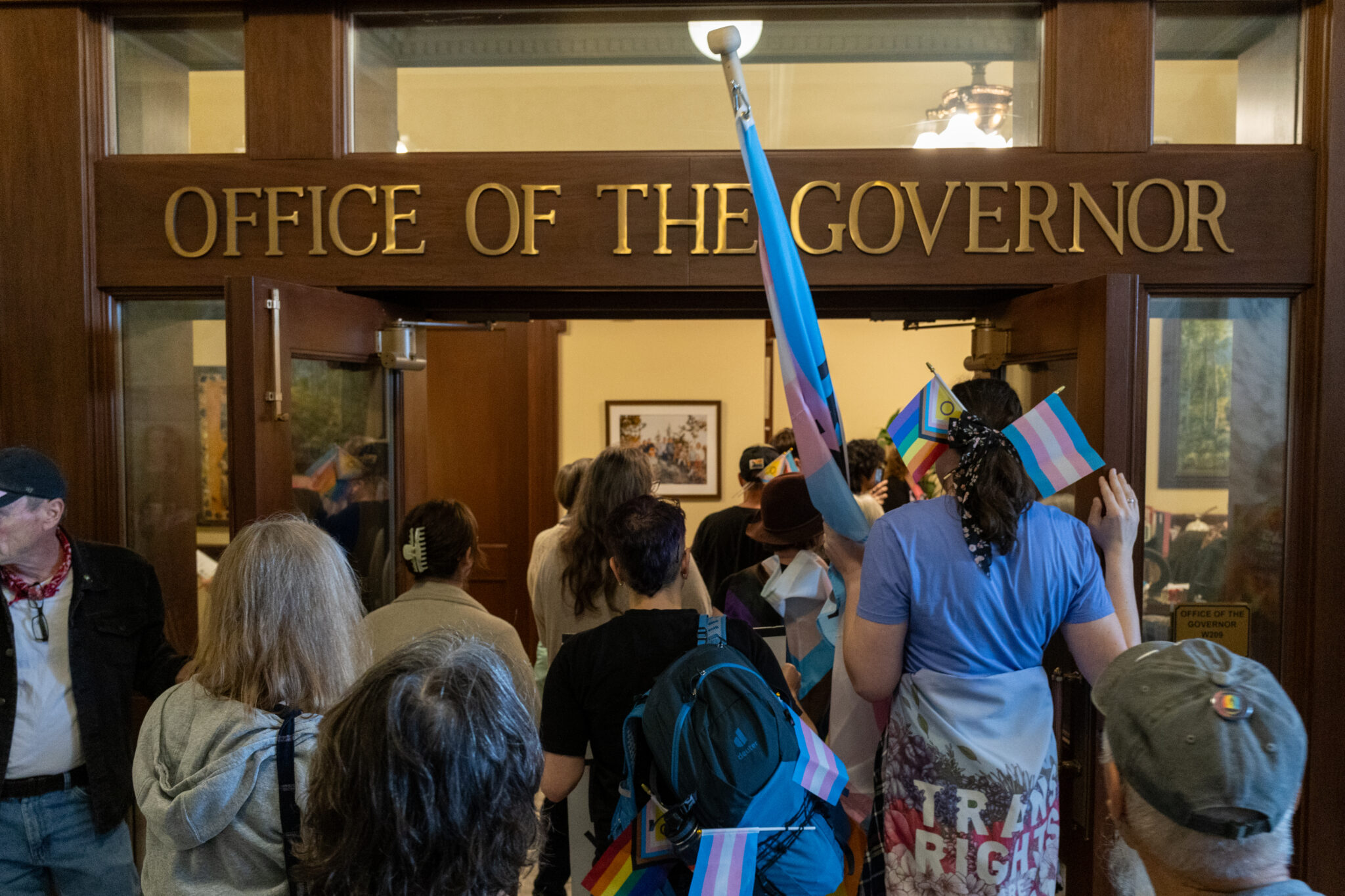
Everyday brings more news of state and federal governments passing legislation that “seek[s] to legislate transgender people out of public life altogether.” Among the numerous human rights violations Kuzma identifies, a few stand out for the humiliation and pain they cause. Kansas, for instance, has introduced sweeping bathroom bans and revocation of driver’s licenses “not only from trans people who changed their gender marker but also from those who simply changed their name.” Presidential executive orders require revoking passports on which the gender marker does not match the holder’s birth certificate. The U.S. Supreme Court ruled in United States v. Skrmetti that medical discrimination based on “gender dysphoria” is permissible.
This seems to mostly follow the playbook laid out by the Heritage Foundation, whose president is Catholic man Kevin Roberts. Roberts has been open that his ideal endgame would be to “outlaw” trans people altogether.
So, where is the Catholic Church in all of this?
Kuzma describes how he sees the current situation:
“Transgender Catholics also face scrutiny from their own church. In January 2025 the U.S. bishops’ conference praised Trump’s executive orders for “recognizing the truth about each human person as male or female,” failing to appreciate the danger of stripping away the legal rights of a vulnerable minority by invalidating their passports. In November 2025, the bishops voted to ban gender-affirming care at Catholic hospitals across the country. These facilities account for roughly one in six hospital beds in the U.S. and are present in all 50 states, therefore impacting many people who are not Catholic and have no other accessible options for health care.”
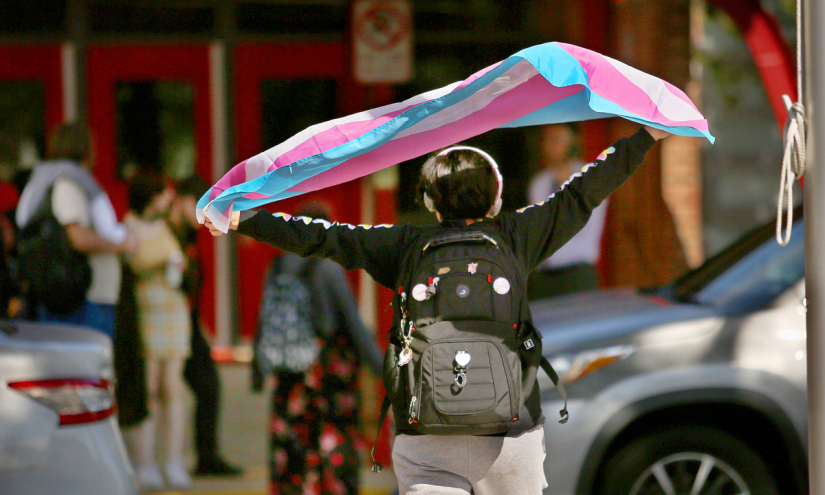
All of this understandably creates mixed feelings about being visible as a trans person. As Kuzma says, it “makes it worth remembering why Transgender Day of Visibility was created in the first place.” In 2009, stories about trans people were often stories of violence. Rachel Crandall-Crocker, co-founder of Transgender Michigan, “envisioned a day that would highlight the ordinary humanity, achievements, and lives of transgender people — while also acknowledging that because of discrimination and safety concerns, not every trans person can or wants to be visible.” Thus was born Transgender Day of Visibility.
Kuzma brings up one more function of a minority’s visibility in society: it “reveals what is happening beneath the surface.” Often, the slow erosion or restriction of rights can be a canary in the coal mine for future human rights abuses. It “trains the public” to look away when the government strips rights away from groups they don’t belong to.
For this reason, and many others, our trans siblings choose to be visible, despite all the temptation otherwise. “If Transgender Day of Visibility means anything in this moment,” Kuzma concludes. “It is not only a celebration of trans lives, but a reminder that the dignity of any society is measured by how it treats those who are most vulnerable within it.”
—Lynzee Dick, New Ways Ministry, April 11, 2026