Households face higher petrol and energy costs for MONTHS as oil climbs to near $100
Households face higher petrol and energy costs for months, as the price of oil climbs to near $100 again amid fears that the US-Iran ceasefire deal is already in tatters. The price of crude has jumped to around $98 a barrel this morning, having dipped to as low as $91 on Wednesday morning following a pause in the conflict and the reopening of the Strait of Hormuz.The waterway, through which a fifth of the world's oil supply passes, is now facing further disruption as Iran accuses the US of violating the deal. That has pushed the price of oil higher and will cause further hikes to energy and petrol prices.While oil remains below the psychologically important $100 level for now, prices are still over 50 per cent higher than at the start of the conflict and analysts warn that they could stay there for months.
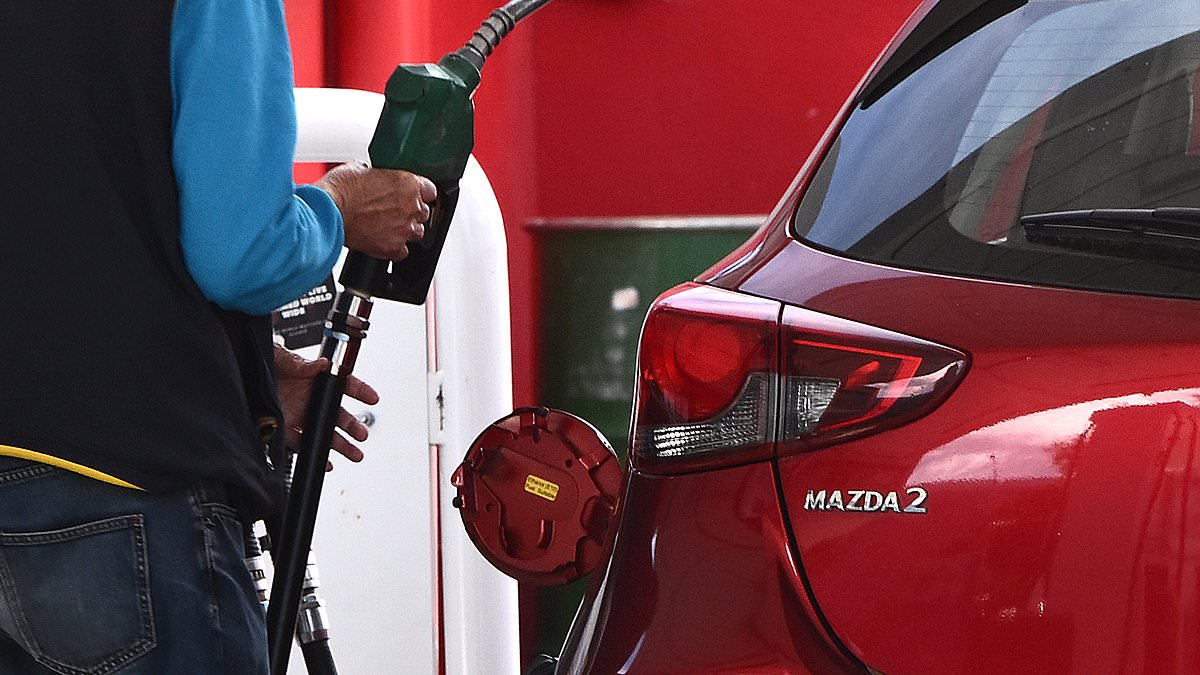
Oil prices climb as ceasefire comes under pressureThe ceasefire is already on shaky ground barely 24 hours after it was announced, which has pushed crude higher.Iran has accused the US of violating the deal by allowing Israel to continue striking Hezbollah in Lebanon, but the White House insists Lebanon was never part of the deal.Iran had already demanded that shipping companies pay tolls for tankers passing through the Strait of Hormuz and has since halted the passage of oil tankers through the waterway in response to Israeli strikes on Lebanon.Even if shipments resume, the risks won't disappear overnight. While the price of oil has not rocketed to levels seen in previous weeks, suggesting some optimism a deal will be reached, the damage to oil and gas sites across the region will have lasting damage to supply.Lale Akoner, global market analyst, said: 'Even after a ceasefire, Hormuz does not normalize overnight. Market prices adjust much faster than physical flows, and shipping firms may need time just to regain confidence, with port activity taking about two months to normalize.'Inventory rebuilding then takes longer still: energy analysts estimate roughly four months to restore OECD stocks to a more comfortable level.'That Iran continues to control the strait is also causing jitters across markets and shipping companies, which anticipate further disruption.Why prices won't return to normal levels for monthsA temporary, if fragile, pause in the conflict may ease inflation fears, but consumers will start to feel further pain in higher energy, petrol and food prices if the conflict is not resolved soon.The latest figures from the RAC show the average price of litre of unleaded petrol is now 157.71p – up 25p or 19 per cent since the war began.Diesel has topped the 190p mark, rising to 190.62p per litre, and is up 48p or 34 per cent since the end of February.If the ceasefire holds, prices should start to come down a little but 'we are likely to see volatility for weeks, if not months,' says Susannah Streeter, chief investment strategist at Wealth Club.
She adds: 'Some oil-producing nations, like Saudi Arabia, have more capacity to ramp up output, but it will only be gradual given the huge disruption suffered and will depend on how quickly they can shift the oil.'With the Strait of Hormuz set to be on a go-slow at best, even if the ceasefire holds, this will take considerable time to filter through to prices at the pumps.'Bloomberg Intelligence forecasts brent crude to hover around $100 a barrel in the near-term amid 'persistent risks of supply disruption.'It doesn't bode well for petrol and energy prices and is likely to filter through to food prices soon too, as fertiliser prices rocket.The RAC has already warned that there needs to be a 'sustained lower oil price – over several weeks, not just a few days – that is required to bring wholesale fuel costs down meaningfully.'Read More Cost of Iran war to drivers at the pumps set to hit eye-watering £1billion Similarly, Ofgem's energy price cap looks at the average prices over a three-month window to May.While UK gas prices fell by more than 15 per cent after news of the ceasefire, they have started to creep higher and are around 50 per cent higher than before the war.While those on fixed energy tariffs are largely protected for now, suppliers buy energy ahead of time so those nearing the end of their deal will have to pay more than before.Dan Coatsworth, head of markets at AJ Bell says: 'The disruption and damage to infrastructure seen over recent weeks is likely to take months to unpick and the inflationary pressures unleashed by the conflict are only just beginning to feed into the wider economy.'Even if energy prices eased significantly tomorrow, there is still likely to be a lasting impact.'SAVE MONEY, MAKE MONEY4.61% cash Isa4.61% cash IsaTrading 212: 1.01% fixed 12-month bonus£5,000 cashback£5,000 cashback1% cashback up to £5,000 when transferring6% cash Isa6% cash IsaIncludes 2% boost for three monthsEarn up to £3,000Earn up to £3,000£100-£3,000 cashback for joining£20 gift card£20 gift cardOpen a Plum Isa and hold £1,000 for 90 daysAffiliate links: If you take out a product This is Money may earn a commission. These deals are chosen by our editorial team, as we think they are worth highlighting. This does not affect our editorial independence. Terms and conditions apply on all offers.