Never married? Your cancer risk could be up to 85 per cent higher, study finds
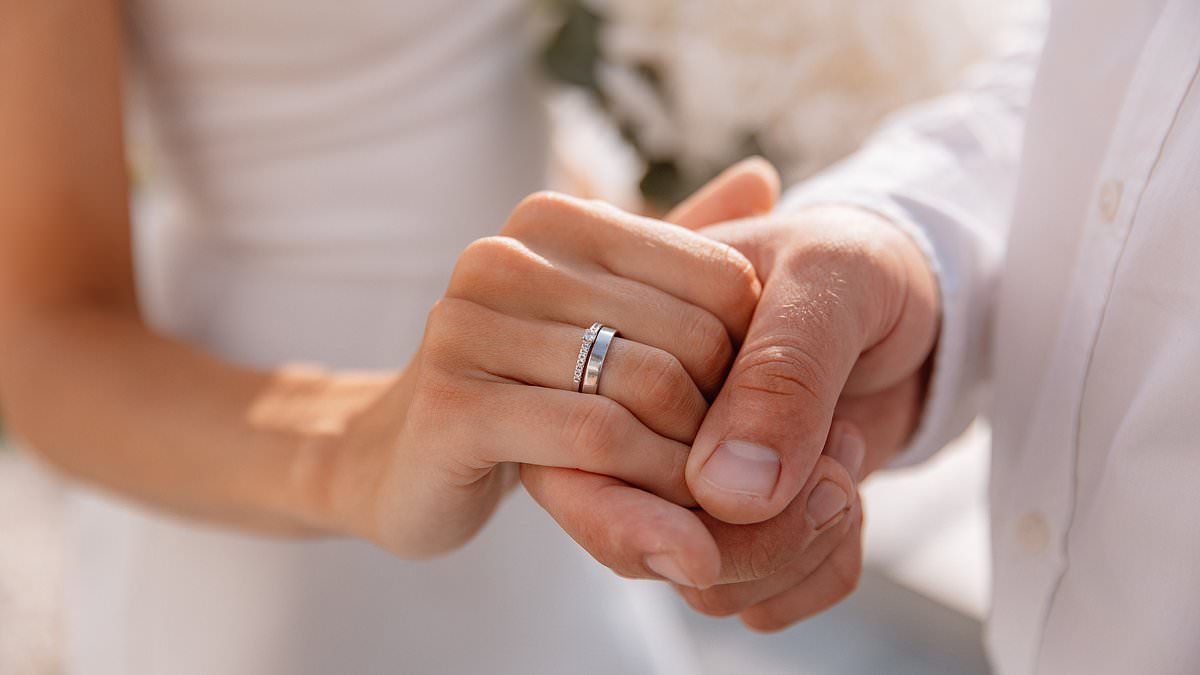
Women who have never married face up to an 85 per cent higher risk of cancer, a major study suggests.Men aren't far behind – with lifelong bachelors around 70 per cent more likely to develop the disease, experts also discovered.The increased risk spans a wide range of cancers – including lung, bowel and oesophageal cancers – particularly those driven by preventable factors such as smoking.Researchers, who analysed data from more than 100 million people, say marital status may act as a powerful – and often overlooked – marker of cancer risk.Marriage has long been linked to earlier diagnosis and better survival, often attributed to the emotional, financial and practical support partners provide.But this study – published in the journal Cancer Research Communications – suggests it may also influence whether people develop cancer in the first place.The team analysed more than four million cancer cases diagnosed between 2015 and 2022, focusing on adults aged 30 and over. Same-sex married couples were included and one in five people in the study had never married. Never marrying could increase cancer risk by up to 85 per cent new research suggests
Overall, never-married men were significantly more likely to develop cancer than those who were married, divorced or widowed – with the gap even wider among women.For some cancers, the differences were stark.Men who had never married were almost two-and-a-half times more likely to develop oesophageal cancer. And women who had never married had nearly three times the rate of cervical cancer compared with those who were married.Both cancers are strongly linked to infection with the human papillomavirus (HPV), a common virus spread through sexual contact that rarely causes symptoms but can trigger cancer over time.The researchers said differences in HPV exposure and screening may help explain the gap.For other cancers affecting the female reproductive system, they suggested the lower risk seen in married women could partly reflect higher rates of childbirth, which is known to have a protective effect against some cancers.By contrast, the link between marriage and cancer risk was weaker for cancers with well–established screening programmes, such as breast, thyroid and prostate cancer.
Interestingly, the protective effect of marriage appeared strongest among black men – who had the highest overall cancer rates but the lowest once married.'Marital status is often treated as a background variable,' said Professor Frank Penedo, a co–author of the study at the University of Miami Miller School of Medicine.'Yet, our findings suggest that it may function as a social exposure that captures dimensions of cancer risk not fully explained by race, age or socioeconomic status.'It means that if you're not married, you should be paying extra attention to cancer risk factors, getting any screenings you may need, and staying up to date on health care.'However, the researchers stressed the findings do not mean marriage itself prevents cancer.Lifestyle factors are likely to play a major role. People who are less likely to smoke, drink heavily or neglect their health may also be more likely to be in stable relationships.The study also did not account for people in long-term partnerships who are not married – something the researchers said should be explored in future work.Overall, they concluded that while marriage is not a 'magic shield', it may act as a useful signal of underlying cancer risk.'It's a clear and powerful signal that some individuals are at greater risk, with social factors such as marital status serving as important markers of cancer risk,' they said.The findings come as cancer death rates in the UK continue to fall overall – but some types are rising.According to Cancer Research UK, deaths from liver, womb and head and neck cancers are increasing, with factors such as obesity, alcohol and HPV infection thought to be driving the trend.