Prisoner jailed for double Cornwall murder found dead
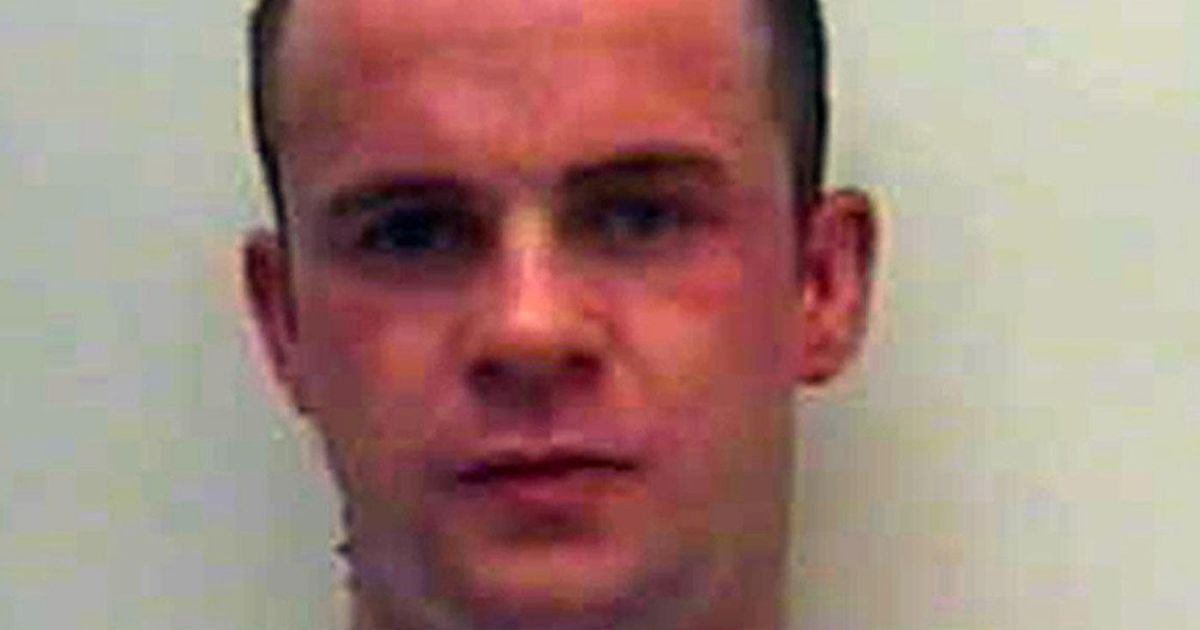
A convicted double murderer who was jailed for life for gunning down two gangland enforcers at a farm near St Austell has died while serving his sentence at Strangeways prison in Manchester.An investigation into the death of 40-year-old Thomas Haigh has been launched following his passing at the Category A prison.The Prisons and Probation Ombudsman, which probes all deaths in prison custody, has published details of the case on its website.Haigh - a former cage fighter originally from Huddersfield, West Yorkshire - was handed a life sentence with a minimum term of 35 years in February 2012, for the savage murders of David Griffiths and Brett Flournoy, in June 2011.The bodies of Flournoy, a 31-year-old boxer and pub landlord with two children, from Bebington on the Wirral, Merseyside, and father-of-three David Griffiths, 35, from Bracknell, Berkshire - but originally from Plymouth - were unearthed after co-defendant Ross Stone confessed to having disposed of their corpses.Stone was cleared of the men's murders, but was sentenced to five years after admitting burning the bodies before burying them in their own van after the shooting at his home, Sunny Corner Farm, Trenance Down, St Austell.During a four-week trial at Truro Crown Court, it emerged that Stone and Haigh owed the victims around £40,000 in drug debts.The court was told that Mr Flournoy and Mr Griffiths had been pressuring Haigh into making another trip to collect drugs in Brazil when he carried out the killings.Mr Justice Mackay, the sentencing judge at the time, told Haigh he was an "arrogant young man" who had got out of his depth in the criminal underworld."These were bad men, but they were bad men with the right not to be killed because trading in drugs does not carry the death penalty, ” he said."You were attracted to the gangster way of life, you convinced yourself you were a big boy playing in the big league."But I found your erratic behaviour made you unsuited to this elusive trade. This was no more than a result of your chosen lifestyle. You knew the rules of the criminal club you joined and you broke them."Haigh's trial revealed that the victims were underworld enforcers working for an 'IRA gang' that controlled Liverpool's illegal drugs trade.Haigh showed no emotion as the judge said the pressure he was under from Griffiths and his "role model" Flournoy was "no mitigation" for the crimes he had committed."You shot these men dead, acting alone and not in concert with Stone," said Mr Justice Mackay."You left him to cover up the carnage you left behind you. Why you did this is, to my mind, perfectly clear. How you went about it is less clear."But you aimed and fired the shots that killed these two men."Haigh, who fled back to West Yorkshire following the killings, voluntarily turned himself in to police in Huddersfield prior to his arrest and charge.Stone told the trial that Haigh talked about killing the two men in the days before they died.Mr Griffiths was originally from Plymouth and the court was told he ran a drugs operation from a house there, mainly dealing in cocaine.After the men failed to return, they were reported missing by their families and a missing persons inquiry started.Two weeks after they died, on July 1, police made an unrelated drugs raid on Sunny Corner and arrested Stone for growing cannabis in two shipping containers he had equipped with hydroponics equipment and buried underground to evade detection by infra-red heat-sensing cameras.Several days later, Stone admitted in a police interview that the two men were buried on the property and told police where to dig.Stone told the jury he had driven with his mother to Newquay to report the crime to police but had been too scared of the dead men's associates and decided to make them disappear instead. Giving evidence, he said he had returned to the farm to find the drug dealers’ lifeless bodies on the ground. Haigh, he said, had appeared topless and dishevelled.In July 2013 Haigh attempted to have his conviction quashed. A report in the Western Morning News noted how following his convictions at Truro Crown Court, evidence emerged which he claimed implicated his acquitted co-accused, Stone, in the murders.At the hearing serving prison inmate, David Johnson - serving a 22-year strech for attempted murder - claimed that Stone laughed as he confessed to the killings.However, in November 2013 when giving judgment, Lord Justice Aikens, Mr Justice Irwin and Mr Justice Cranston said Johnson's evidence was "not credible"."He is a habitual and gratuitous fabricator of stories, he is a convicted liar," said Lord Justice Aikens."We have concluded that this evidence about the conversation with Ross Stone is not even arguably credible.”The judges said Haigh’s appeals against conviction were “unarguable" and rejected them, but cut the minimum tariff he had to serve before he could be considered for parole from 35 to 32 years.The Prisons and Probation Ombudsman confirmed that an investigation is now underway. Haigh's date of birth and the date of his death - 15 March - has been published on its website, along with confirmation he died while a prisoner at HMP Manchester. The ombudsman said an investigation was 'in progress', but no additional details have been disclosed surrounding his death.A Prison Service spokesperson stated: "HMP Manchester prisoner Thomas Haigh died on 15 March 2026. As with all deaths in custody, the Prisons and Probation Ombudsman will investigate."