Tesla's Robotaxi App Just Got a Big Upgrade. Here's What's Inside.
Tesla is getting closer to launching its Robotaxi service, and the latest app update shows how much attention is going into the experience behind the scenes. When there’s no driver, the app becomes everything. It’s how you book, pay, adjust your trip, and stay in control.
A recent app decompile shared by Tesla App Updates reveals that Apple Pay and Google Pay are being built directly into the Robotaxi app. Instead of entering card details or dealing with extra steps, riders will be able to confirm a trip and pay instantly using the wallet already set up on their phone.
It sounds simple, but it changes how the whole experience feels. Faster checkout, fewer interruptions, and a setup that works the same way every time. The app also appears to let users set a preferred wallet as the default, which means repeat rides become almost frictionless.
The addition of Google Pay points to something else happening in the background. Up until now, the Robotaxi app has only been available on iOS. With Android support showing up in the code, it looks like a wider rollout is getting close, which would open the service to a much larger group of users.
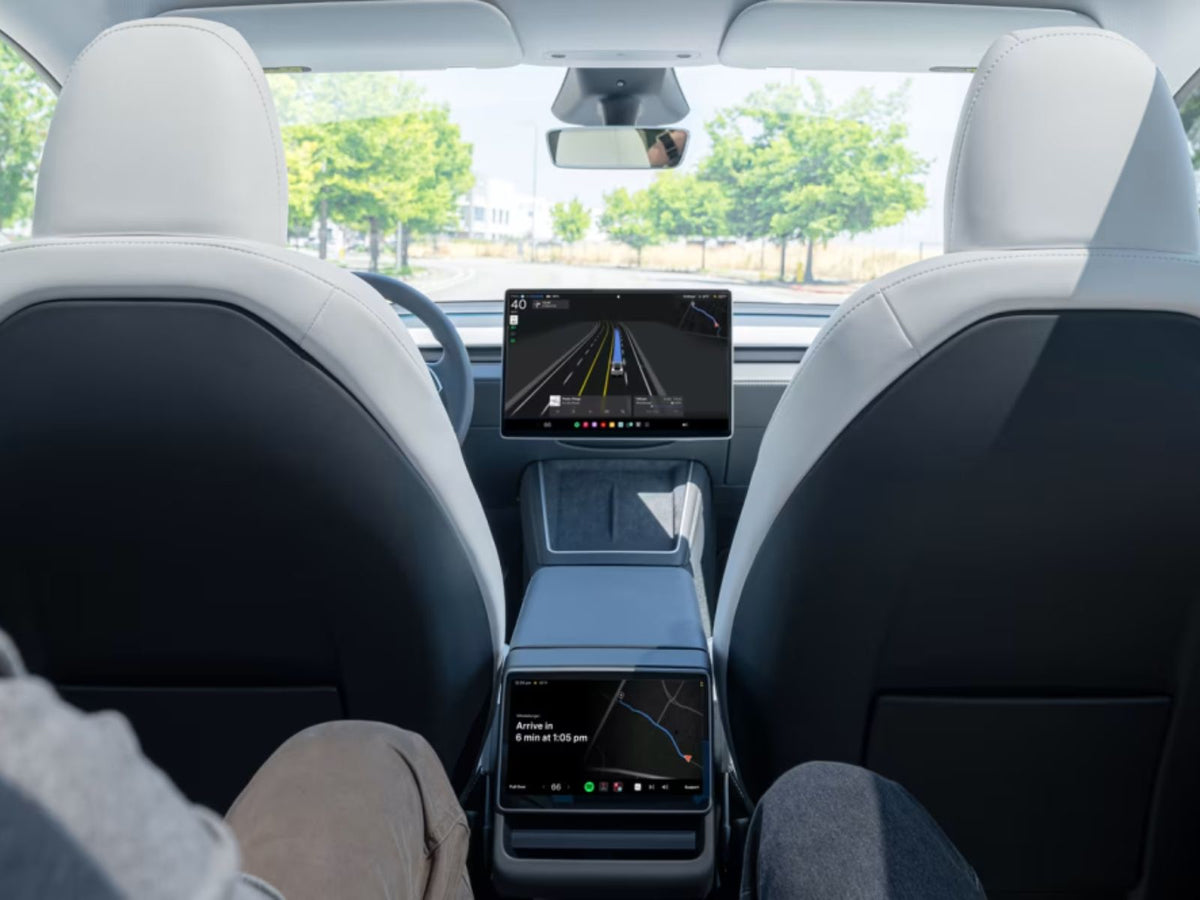
Tesla is also refining how the app looks and responds while you’re using it. The map interface is being upgraded with smoother animations and more responsive elements. Pins will scale and highlight as you interact with them, and route lines will adjust in real time as the vehicle moves. It’s the kind of polish you expect from top-tier apps, and it makes a difference when you’re relying on it for every part of your trip.
There are even signs of a more immersive feel being introduced. A subtle parallax effect tied to your phone’s movement could make interface elements shift slightly as you tilt your device. It’s a small detail, but it adds depth and makes the app feel more dynamic during a ride.
Convenience is improving in more practical ways too. The app may soon allow you to edit your destination straight from a lock screen notification, which saves time when plans change mid-trip. Pricing is also becoming clearer, with better cost visibility before and during the ride, along with improved handling if a payment method fails.
The most important updates, though, are tied to control and safety. The app includes commands like “PullOverCommand” and “DisengageDriverless,” giving passengers the ability to stop the vehicle or exit autonomous mode if needed. These commands are connected to Tesla’s secure communication system, which allows them to work instantly without relying on cloud connectivity.
That level of responsiveness matters in a driverless setup. Riders need to feel like they’re in control, even when the car is doing all the driving.
There are also backend features that hint at how Tesla plans to handle unexpected situations. Commands like “ResetInfotainment” suggest the system can be restarted if it becomes unresponsive, while “EnableRecoveryMode” points to remote assistance if a vehicle runs into trouble. It shows that Tesla is building layers of support into the experience, not just focusing on the ride itself.
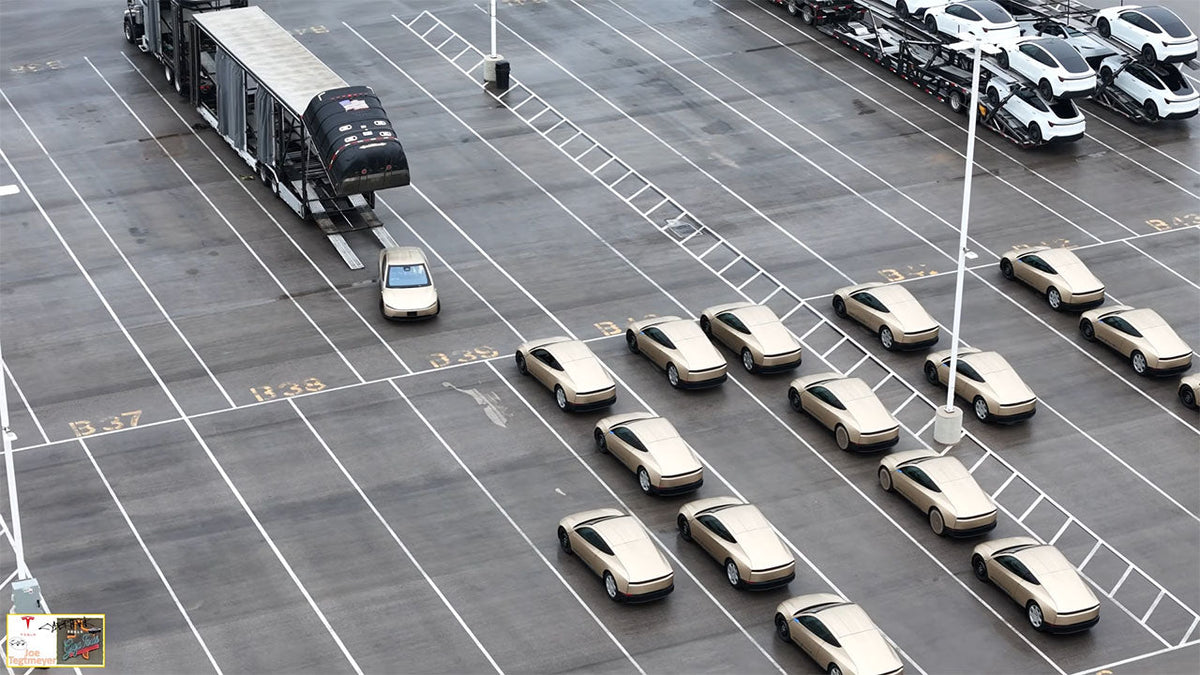
All of this is leading toward Tesla’s bigger play with Robotaxi and its upcoming Cybercab. The vehicle gets most of the attention, but the app is just as critical. It’s the interface people will use every day, and it needs to feel fast, reliable, and easy to trust.
Source: DriveTesla