Ryanair admits they will ‘have to cancel’ flights over jet fuel shortages
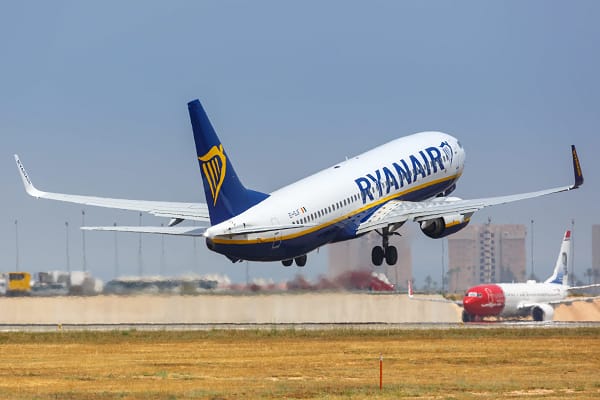
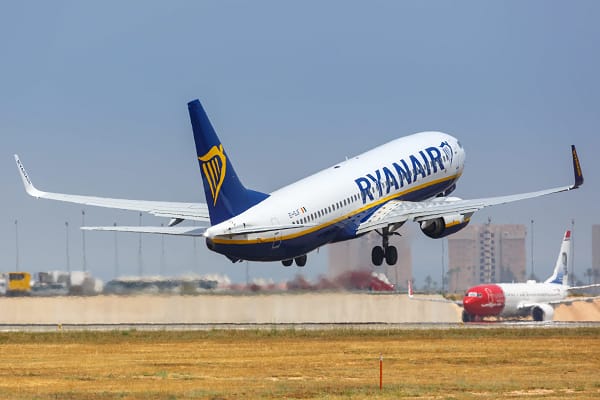
Michael O’Leary, chief executive of Ryanair, has warned that British holidaymakers could face flight cancellations this summer as concerns mount about jet fuel availability amid the ongoing conflict in Iran.
O’Leary highlighted the UK as the most vulnerable country in Europe to potential supply disruptions, citing the nation’s heavy reliance on Middle Eastern oil and gas.
“Of all the European countries at the moment, the one that is most vulnerable is the UK, because [of] the market share that the Kuwaitis have here in the UK,” O’Leary said.
Britain imports roughly a quarter of its jet fuel from Kuwait, leaving its aviation sector particularly exposed if the Strait of Hormuz, through which about one-fifth of global oil passes, remains closed.
While O’Leary said he had received assurances that supplies would remain stable until mid-to-late May, he warned that prolonged conflict could sharply reduce availability later in the summer.
If this continues through to the end of April, we’re looking at a risk to supplies in early June,” he said.
“If it runs into May, then we don’t know what the f*** goes on.”
The crisis has already caused jet fuel prices to more than double, largely because jet fuel requires a higher proportion of crude oil for refining than petrol or diesel. Thousands of flights across Europe have been grounded, compounding disruptions caused by the temporary shutdown of major Middle Eastern travel hubs, GB News reported.
We can handle, we think, the pricing issue, but if there’s a risk to 10 or 20% of the fuel supply in June or July or August, then we and all other airlines will have to start looking at cancelling some flights or taking some capacity out,” O’Leary added.
Other carriers are taking precautionary measures. Woo Kee-hong has reportedly put Korean Air into “emergency mode,” while Lufthansa is preparing contingency plans, which may involve taking up to 40 aircraft—roughly 5% of its fleet—out of service.
Meanwhile, the European Union has urged citizens to reduce flying and driving where possible to conserve fuel and is reportedly considering emergency measures. Labour ministers, however, have sought to reassure the public, stating that fuel supplies remain sufficient for normal activities.
Analysts warn that if tensions persist in the Gulf, the UK could face its most disrupted travel season in years, with the potential for rising fares, grounded flights, and knock-on effects across tourism and business sectors.