ECB: Inflation towards 3.1%, higher inflation if the war drags on
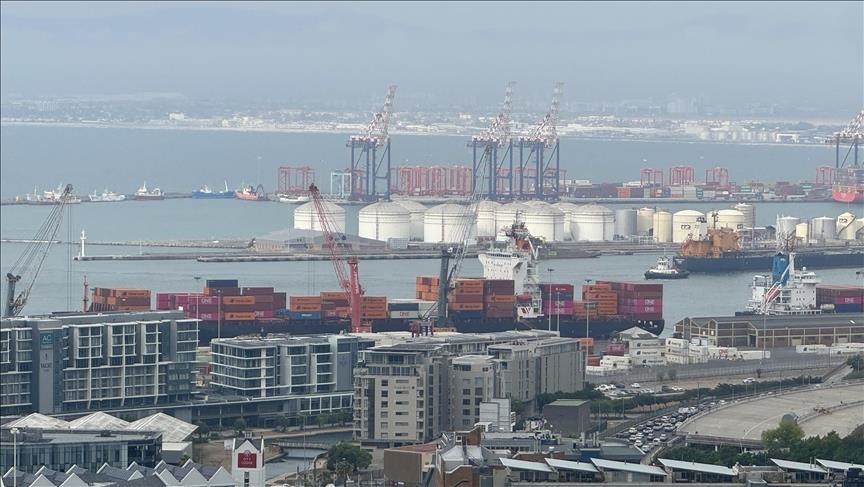
The crisis caused by the war between the United States and Israel and Iran will hit Europe hard, and the one who will pay the highest price will be Italia. In 2026, in fact, our country's growth forecasts have been halved, from the + 0.8% of initial expectations to the current + 0.4%. These are the estimates of the new Global Economic Outlook of Standard & Poor's, which has also revised downwards the outlook for Great Britain and the eurozone as a whole. London will stop at a growth of 1%, compared to the + 1.4% originally forecast, while the eurozone loses two decimal points, standing at + 1% against + 1.2% before the outbreak of the war. Germany (expected growth of 0.8% with the fiscal stimulus) and France at + 1.9% are holding up.ECB estimates: higher inflation and lower growthThe European Central Bank had already warned about the impact of tensions in the Middle East in its economic bulletin. According to the ECB, rising energy commodity prices will push inflation 'above 2% in the short term'. For the second quarter of 2026, a slight rise to 3.1 % is expected, while in the third quarter inflation will fall to 2.8 % after the decline in energy commodity prices implied by the prices of futures contracts.Furthermore, in line with the new S&P forecasts, the ECB warns: 'The latest available data are consistent with modest GDP growth in the first quarter of 2026'. If, before the war, the world economy showed 'signs of resilience', now 'the erosion of real income and the resulting deterioration in confidence could weigh significantly on private consumption,' the ECB writes, 'the strength of these effects will depend on the intensity and duration of the conflict.According to the ECB experts, global GDP growth in the next two years will decline in real terms by 0.4%, and in 2026 it will be + 3.3% compared to + 3.6% in 2025. The impact of the Iran war "offset the positive carry-over effects from the higher-than-expected growth at the end of 2025 and the moderate boost provided by the fall in US tariffs". In addition, overall inflation as measured by the global consumer price index was revised upwards over the next two years, due to the shock to energy prices.Panetta's interventionAs far as Italia is concerned, the governor of the Bank of Italy Fabio Panetta spoke today in his speech at the 16th Annual Conference Banca d'Italia and Ministry of Foreign Affairs and International Cooperation. Panetta spoke about the current geopolitical tensions, in particular the conflict in Iran. "The tensions in the energy markets are worrying not only for their immediate impact on inflation and growth, but also for the possible repercussions on financial stability. With high volatility and uncertainty, pre-existing fragilities could turn into channels for shock amplification'.