Google Photos wants to stop you from accidentally ruining your snaps
Google Photos is changing how you edit images on Android, and it’s focused on reducing unintended changes. If you’ve ever tapped a photo and triggered a tool you didn’t mean to use, this update is built to prevent that from happening again.
The app is removing gesture-based shortcuts that used to launch editing features with a tap or scribble. Those actions now require a clear selection inside the editor, which shifts the experience toward intent instead of speed. It’s a subtle redesign, but it changes how every edit begins.
The update also targets stability. Unplanned tool launches can interrupt your workflow or slow things down on some devices, especially when heavier features are involved. By keeping those actions contained, the app feels more predictable during longer editing sessions.
Editing tools move into menus
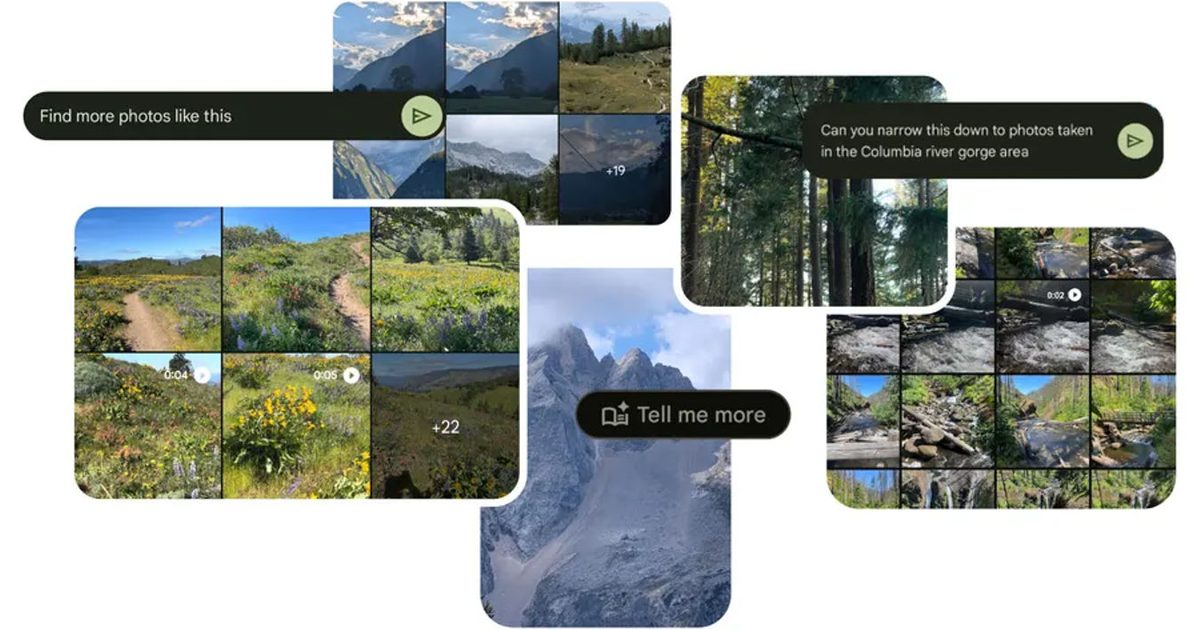
Core tools like Move, Erase, and Reimagine no longer activate directly from the image. Previously, a quick tap or drawn circle could start an edit instantly. Now, you’ll need to open the editor and choose the tool yourself before making changes.
Google
That adds an extra step, but it removes ambiguity. You can browse or search for features like Magic Eraser without worrying about triggering them by accident while exploring a photo.
This change also improves how tools are surfaced. With everything grouped in a single menu, features become easier to discover, especially for users who never relied on gesture shortcuts in the first place.
Speed takes a back seat
The update will feel slower at first, particularly if you’re used to making quick edits across multiple images. The new flow introduces a more structured path, and that takes some adjustment.
In return, you get consistency. Unintended edits don’t just interrupt your flow, they can overwrite changes or force you to undo steps repeatedly. This approach ensures edits only happen when you explicitly choose them, which reduces friction over time.
Google
There’s also a performance benefit. Limiting background triggers helps avoid slowdowns tied to more demanding tools, making the editor feel steadier across different devices.
A shift toward intentional editing
This update reflects a broader shift in how Google Photos is evolving. The app is moving away from fast, gesture-driven edits toward a more deliberate and structured workflow.
Casual users should notice fewer misfires almost immediately, while more experienced users may need time to adjust as old habits fade. The transition won’t be instant, but the logic behind it is clear.
Some rollout details remain unclear, including timing and device availability, which could affect how widely and quickly users see the change. For now, the tradeoff is straightforward. Editing may take a bit longer, but your photos are far less likely to be altered by mistake.