Verne robotaxi service partners with Uber and Pony.ai for launch
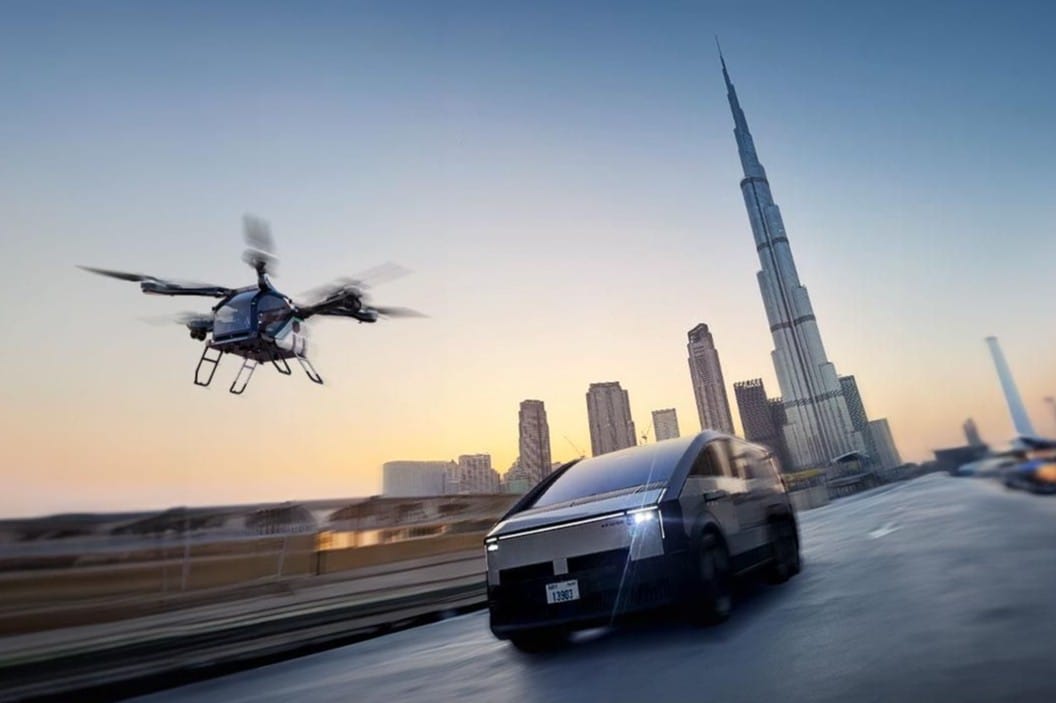
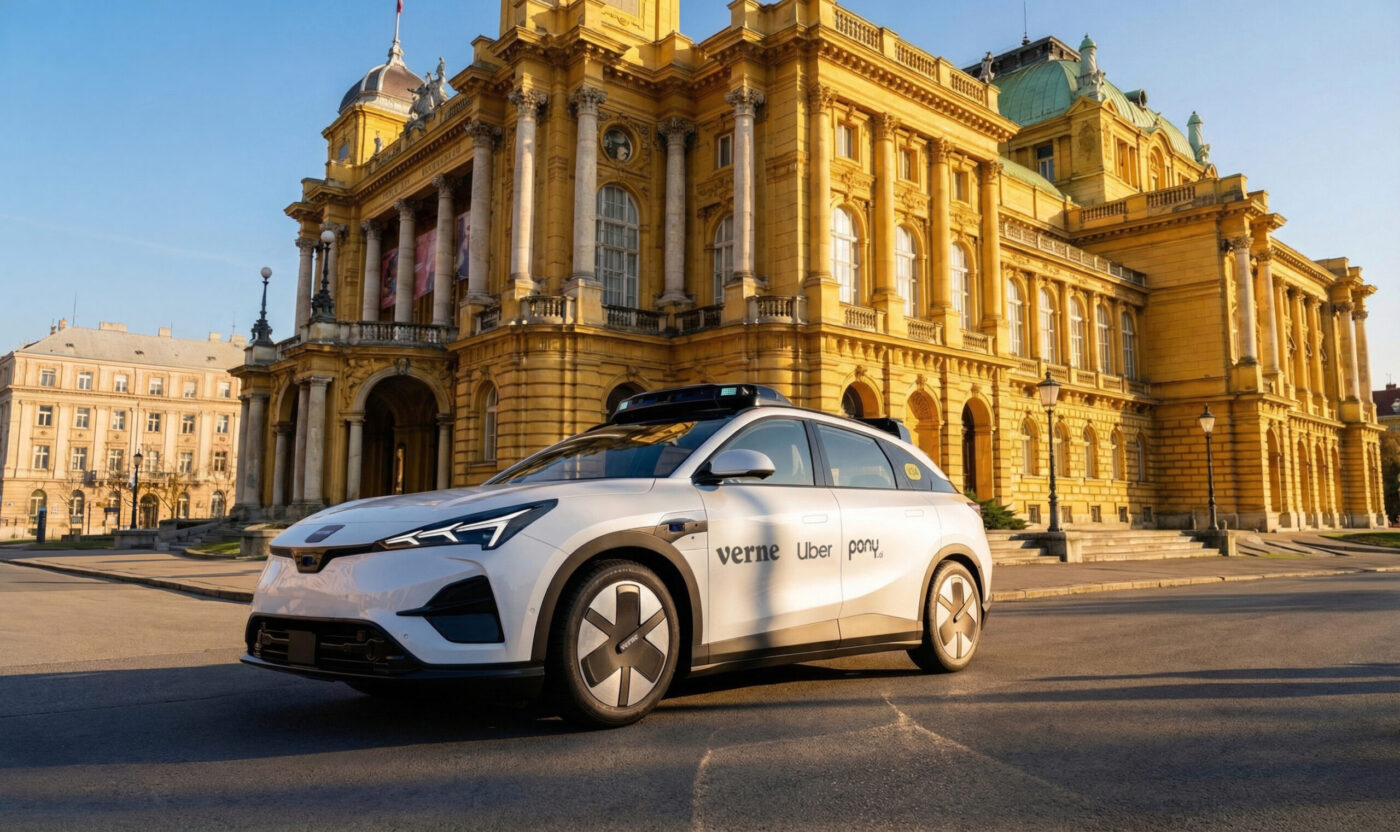
In June 2024, the Croatian EV manufacturer Rimac unveiled its plans for Verne: a robotaxi service built around a fully autonomous battery-electric vehicle with just two seats, no steering wheel, and no pedals. At the time, Rimac announced that the service would launch in Zagreb in 2026, followed by expansions to the UK and Germany, and eventually to additional markets across Europe and the Middle East.The announcement of the new partnerships is then surprising for two reasons. First, Rimac has partnered with Pony.ai, a company that offers a proprietary autonomous driving solution comprising hardware, software, and services. Initially, Rimac had planned to collaborate with Pony.ai’s competitor, Israel’s Mobileye, for Verne’s autonomous driving technology.The collaboration with Uber is equally significant. Rimac had previously outlined a fully integrated solution for Verne, encompassing its own vehicles, fleet management, and a dedicated customer app – a vertically integrated approach. Rimac founder Mate Rimac stated at the time: “We want to make a difference with our holistic integrated approach, which is designed around the best possible experience.”Uber’s involvement is driven by several factors: the US ride-hailing giant has pledged an undisclosed investment in Verne, following recent investments in the robotaxi ventures of Lucid and Rivian. Additionally, integrating Verne into the Uber platform from the outset is expected to significantly boost its reach compared to a standalone offering. Finally, Uber is not insisting on exclusivity for its booking platform; instead, it will be complemented by ‘Verne’s own customer-facing platform’, representing a hybrid approach to booking.Road tests already underway in ZagrebAs part of the collaboration, the partners have already begun road tests in the Croatian capital, Zagreb. However, these tests do not yet use Verne’s self-developed robotaxi but rather a robotaxi based on the Arcfox Alpha T5, equipped with Pony.ai’s Gen-7 autonomous driving system. Zagreb is then set to host the launch of Europe’s first commercial robotaxi service – provided no other project beats them to it.Verne will lead the market introduction and the process of obtaining European approval, while coordinating the deployment of Pony.ai’s robotaxis within the networks of both Verne and Uber. Verne will act as both the fleet owner and service operator.Autonomous mobility for Europe“Europe needs autonomous mobility that can move from testing to a real service,” says Marko Pejkovic, CEO of Verne. “At Verne, we are bringing together the technology, platform, and operational capabilities required to make this a reality, starting in Zagreb before expanding to new markets.”One question remains: what is the status of Verne’s self-developed robotaxi, which relies on Mobileye technology? A query from electrive to Verne on this issue remains unanswered and we will provide an update if a response is received. However, the facts remain: Verne’s own robotaxi factory near Zagreb is set to commence operations this year, while the company announced the completion of 60 verification prototypes last November. It is therefore likely that Verne is using the launch with the Arcfox vehicles in Zagreb to bridge the gap until its own vehicles are ready, while simultaneously gaining real-world experience in fleet management and booking platforms. We have also sought clarification from Verne on this matter and are awaiting a response.letsverne.com