Race tsar hits out at woke ideology that led to workers refusing to section Nottingham triple killer because he was black
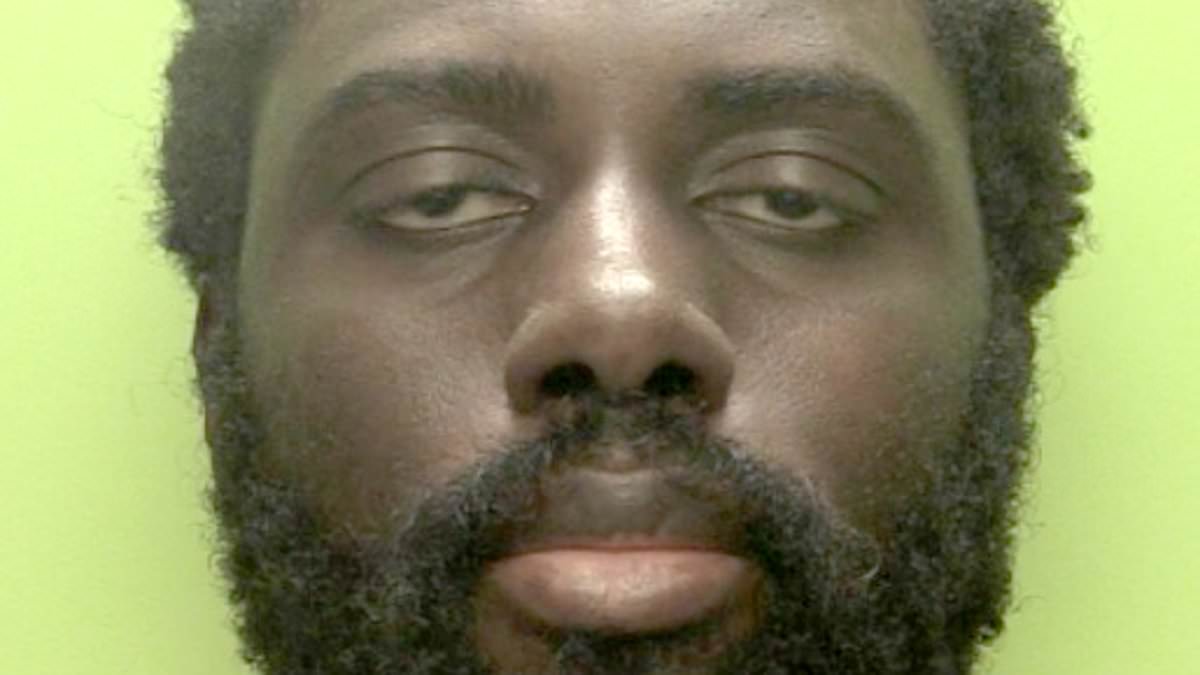
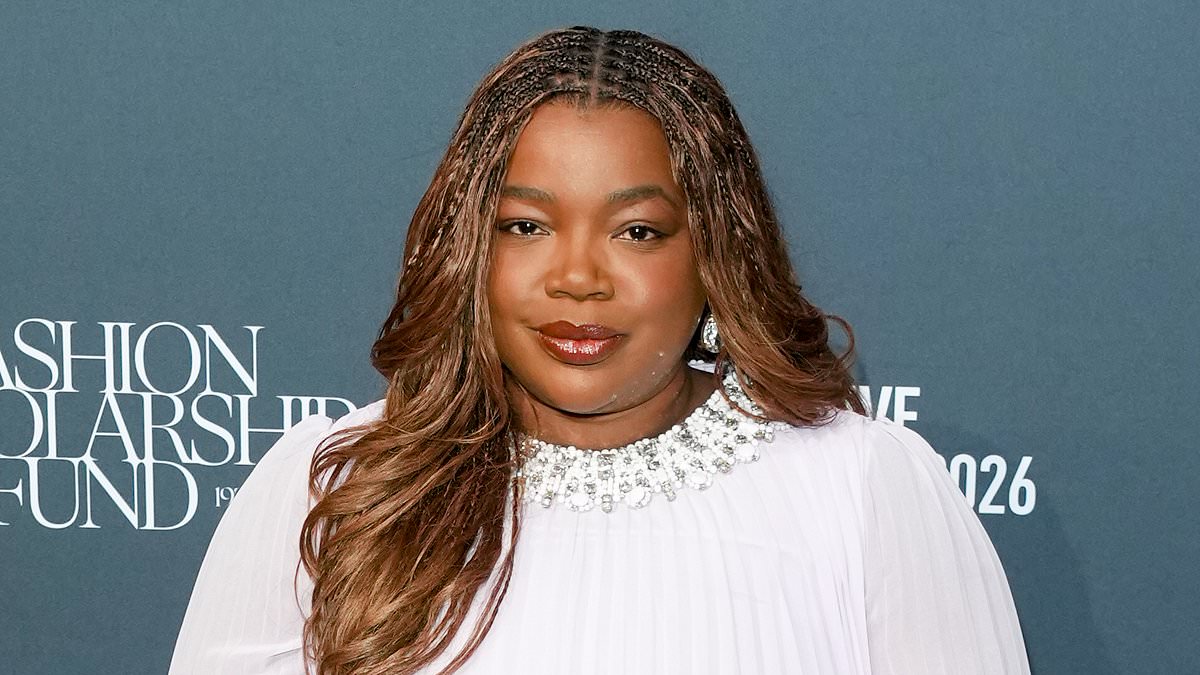
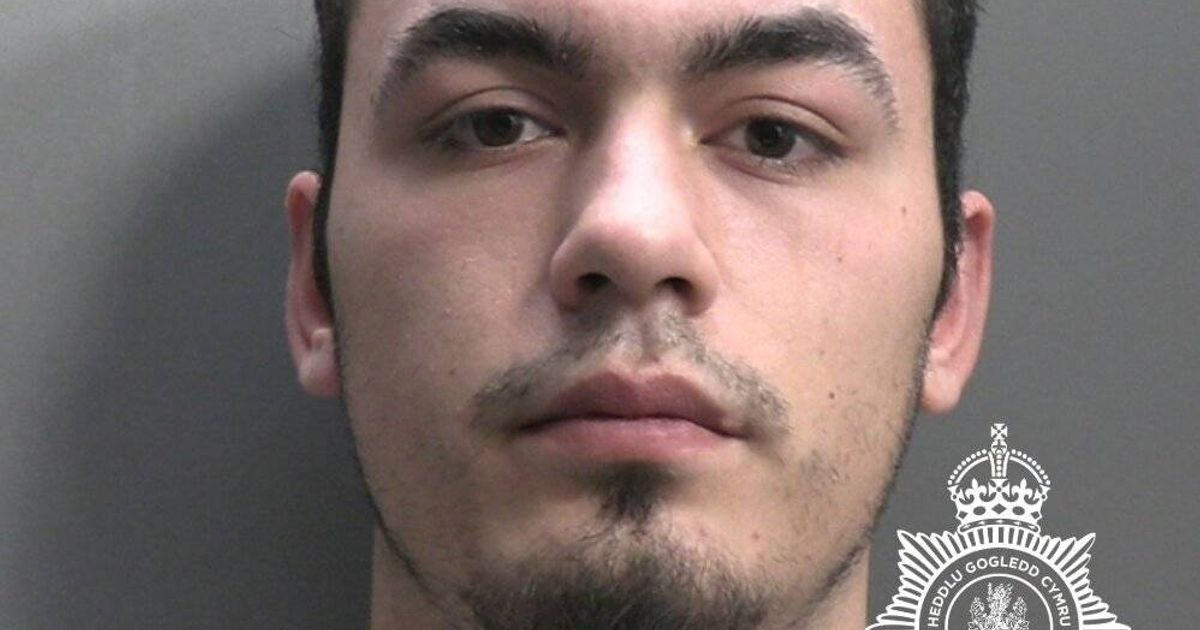
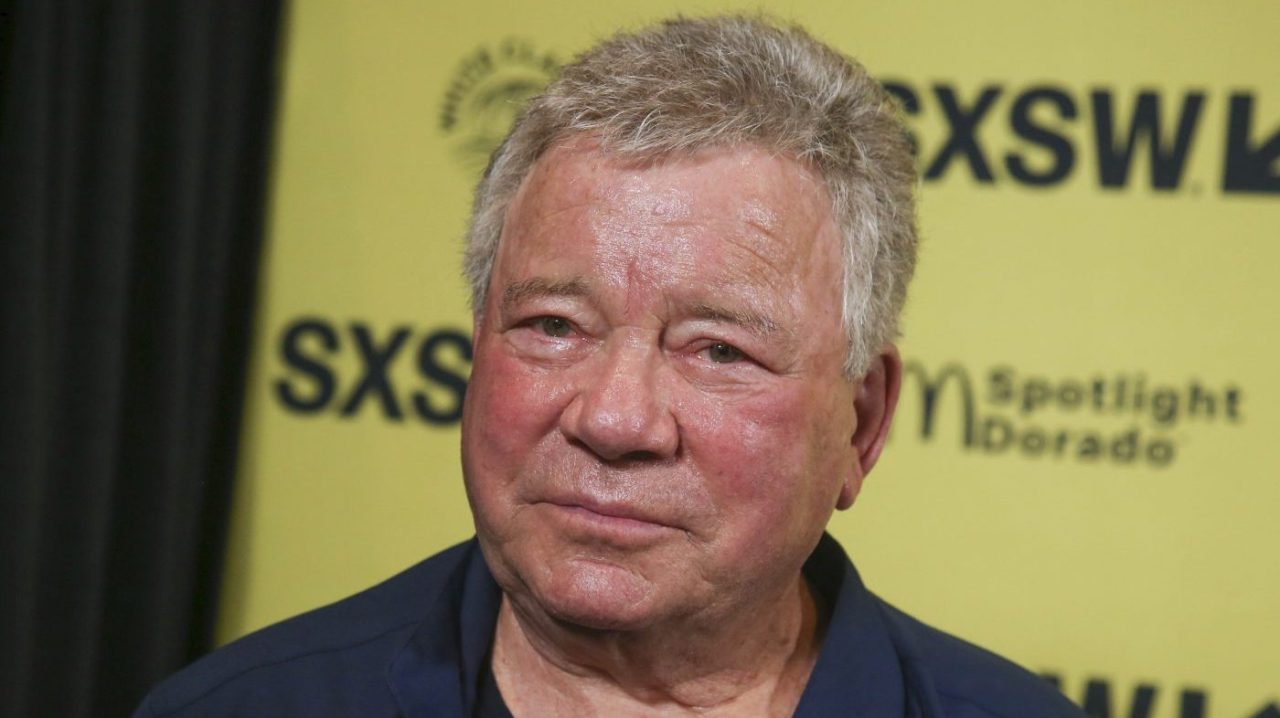
The Government's former race tsar has hit out at the woke ideology that led to mental health workers deciding not to section a killer paranoid schizophrenic - because he was black.Lord Sewell, who led a landmark race report in 2021, said 'diversity, equity and inclusion' (DEI) drives were warping decision-making by some professionals.And he also hit out at a culture of 'white guilt' which had made people 'too frightened' to 'state things that are obvious', and stopped organisations adopting his report's recommendations.He was speaking as an inquiry continues into Valdo Calocane, who fatally stabbed 19-year-old students Barnaby Webber and Grace O'Malley-Kumar, as well as Ian Coates, 65, in Nottingham in 2023.Last month, it emerged mental health workers had decided not to section Calocane following a violent incident in 2020.It is thought they feared it might be racist, after consulting research that said there was an 'over-representation of young black males in detention'.Despite this, he was detained on four other occasions before he eventually went on his killing spree. Lord Sewell referred to the case during an event at the Centre for Social Justice on Tuesday night to mark the fifth anniversary of his report, which examined whether Britain was institutionally racist. Lord Sewell (pictured), the Government's former race tsar, has hit out at the woke ideology that led to a paranoid schizophrenic being left free to kill because he was black He was speaking as an inquiry continues into Valdo Calocane (pictured), who fatally stabbed 19-year-old students Barnaby Webber and Grace O'Malley-Kumar, as well as Ian Coates, 65, in 2023 Last month, it emerged mental health workers decided not to section Calocane despite a violent incident in 2020, after consulting research that said there was an over-representation of black men in custody. From left to right: victims Ian Coates, 65, Barnaby Webber, 19, and Grace O'Malley-Kumar, 19He said: 'There's a couple of things we called out [in the report], on the mental health area.'As you know, there's that whole issue with the murder of those three people, and we know that we have this disparity of black men being incarcerated.'Confirming he was talking about the Calocane case, he continued: 'We were saying you have to go upstream to find out why the disparity was there.'[People] weren't really understanding that when it comes to that mental health issue, what were the reasons for the disparity.'Get to that – not your DEI (diversity, equity and inclusion) or your discussion around the fact that certain ethnic minorities are disproportionately in there.'They may be disproportionately in there because they just present with that disease.'He added that part of the disparity could be explained by the fact that there had been a 'historic distrust of the system' among black people – preventing them from seeking help early.'That disease, as an illness, can be explained by the fact that people are not presenting early enough,' he added.'They are presenting too late, in crisis, and that's when the disproportion happens.'Lord Sewell was the chairman of the Commission on Race and Ethnic Disparities, a group set up by Boris Johnson to investigate whether Britain was a racist country following the Black Lives Matter protests in 2021. Lord Sewell was the chairman of the Commission on Race and Ethnic Disparities, a group set up by Boris Johnson to investigate whether Britain was a racist country following the Black Lives Matter protests (pictured) in 2021 The landmark review sparked fury from the Left after it found children from many ethnic minorities do as well or better at school than white pupils, who often performed the lowest.At the time, the Tory peer warned ministers should consider the needs of the white working class, saying his report had uncovered how 'stuck' such groups were.On Tuesday, Lord Sewell said the report had acted as an 'engine' but was 'not driving enough' change.He added: 'We never really got out of the door with it, mainly because people were so frightened. 'We talk about this white guilt, this giddiness, about just stating these things that were obvious.'He said part of the problem was that the results of his report were unexpected, especially following the protests over the police shooting of African American George Floyd in the US.'With no agenda, no pre-conceived conclusions, we just followed the evidence,' he said.'And nobody expected, after the George Floyd disruption, that we would then be focussing on white people.'Asked during the event whether he agreed that Britain was a racist country, Lord Sewell said it had 'significantly improved' in his lifetime.He said he felt his 30-year-old daughter has had better experiences in this regard than he had when he was young.'If I compare it to what I went through when I was going to school, [it was] night and day,' he said.'The stuff that we had – it was horrendous. She is in a different world.'He pointed to Tory leader Kemi Badenoch, who is of Nigerian heritage, as being an example of how much the country had changed in recent years.'Even four or five years ago, to think that the head of the Conservative party would be a black woman from a Nigerian background, people would laugh you out the room,' he said.'That's where we are in Britain. So in that sense it is better.'My experience as a black man in Britain, is that it has significantly improved.'The latest figures from the CSJ show that only one third of white pupils on free school meals achieving the minimum grade to pass GCSE English and Maths.Meanwhile, this was achieved by over 80 per cent of Chinese pupils, and almost 70 per cent of Indian and Bangladeshi pupils, who were all also on free school meals.Earlier this week, he said: 'White working-class boys from the poorest homes are still stuck at the bottom of the class. Our warnings were not listened to.'