Foreign Office updates Portugal travel advice for Brits head of Easter
The Foreign, Commonwealth and Development Office (FCDO) has issued guidance for British travellers heading to Portugal. To ensure Brits are informed of any warnings, entry requirements, security, safety, or health risks before travelling to destinations worldwide, the Foreign Office continuously updates its travel guidance. The advice can shift quickly, or stay unchanged for months, but just last week, an amendment was made for those visiting Portugal. In an update on Friday, 20 March, which remains current as of 25 March, the FCDO revised the entry requirements for Britons travelling to the popular European destination, which boasts extensive beaches and lively cities. The government confirmed that if you're staying for more than 90 days within a 180-day period and need to extend under "exceptional circumstances", you must take action. The FCDO website stated: "If you're visiting Portugal and need to extend your visa-free stay for exceptional reasons, such as a medical emergency, you must apply to AIMA using their contact form (access is only available to users in Portugal). If you're in Portugal with a residence permit or long-stay visa, this does not count towards your 90-day visa-free limit. "If you're in Portugal with a residence permit or long-stay visa, this does not count towards your 90-day visa-free limit." Currently, UK citizens holding a British passport can visit Portugal without requiring a visa for up to 90 days within any 180-day period. This is valid if you are travelling as a tourist, seeing friends or relatives, attending business meetings, cultural or sporting events, or undertaking short-term studies or training, reports the Mirror.
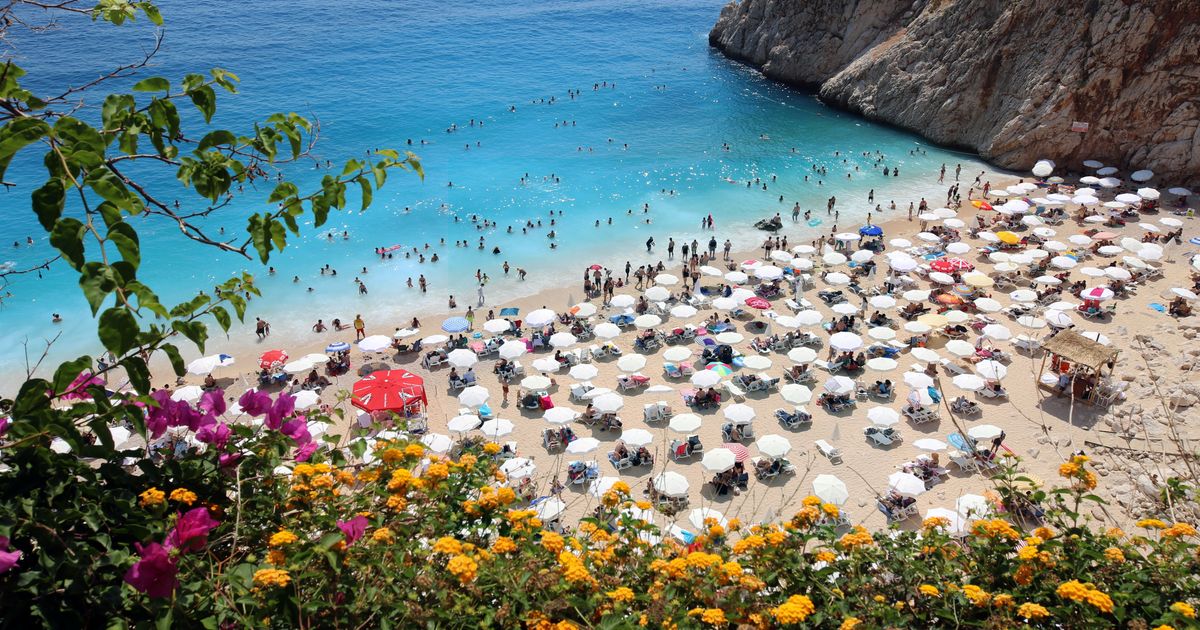
If you're staying for more than 90 days within a 180-day period and need to extend, you must take action
(Image: AFP via Getty Images)
This equally applies to Britons travelling to the Schengen zone, which includes 29 European nations, who can journey without a visa for up to 90 days in any 180-day period. Nations within the Schengen zone include: Austria, Belgium, Bulgaria, Czechia, Croatia, Denmark, Estonia, Finland, France, Germany, Greece, Hungary, Iceland, Italy, Latvia, Lithuania, Liechtenstein, Luxembourg, Malta, Norway, the Netherlands, Poland, Portugal, Romania, Slovakia, Slovenia, Spain, Sweden and Switzerland. Nevertheless, the FCDO stated: "If you're travelling to other Schengen countries as well, make sure your whole visit is within the 90-day visa-free limit. Visits to Schengen countries in the 180 days before you travel count towards your 90 days. If you overstay the 90-day visa-free limit, you may be banned from entering Schengen countries for up to 3 years."
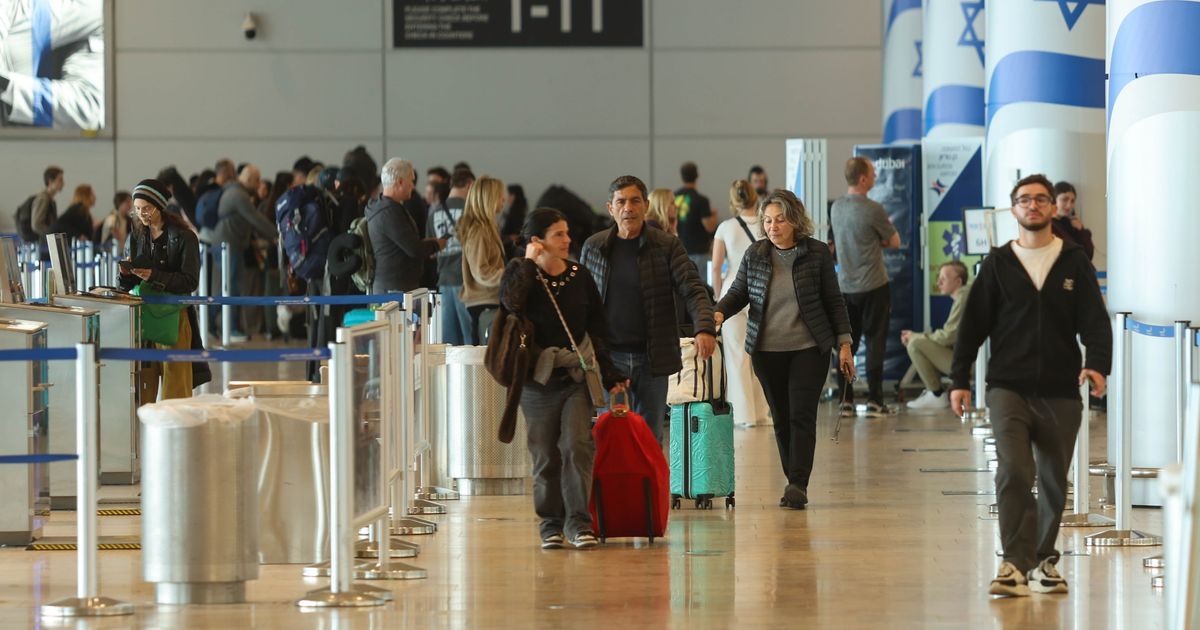
The FCDO said: "If you're travelling to other Schengen countries as well, make sure your whole visit is within the 90-day visa-free limit"
(Image: Getty Images)
Furthermore, from 10 April 2026, the European Union's (EU) new Entry/Exit System (EES) is anticipated to be fully implemented. This means that when entering the Schengen zone for short stays, you may need to register your biometric information, such as fingerprints and a photograph, which is completed at the border upon arrival free of charge. Brits journeying to the Schengen area must also heed passport requirements. The government stipulates that the passport must: Have a 'date of issue' less than 10 years before the date you arrive – if you renewed your passport before 1 October 2018, it may have a date of issue that is more than 10 years ago Have an 'expiry date' at least 3 months after the day you plan to leave the Schengen area (the expiry date does not need to be within 10 years of the date of issue) If your passport fails to meet the above criteria, you risk being refused entry into the country and turned away at the airport. You can renew or replace your passport online via the government website. Brits are encouraged to renew or replace their passports at the earliest opportunity, as processing can take roughly three weeks and occasionally longer during peak travel periods. For further details on Portugal's entry requirements, visit the government's foreign travel advice page.