World’s largest investor warns of ‘global recession’ if Middle East war deteriorates
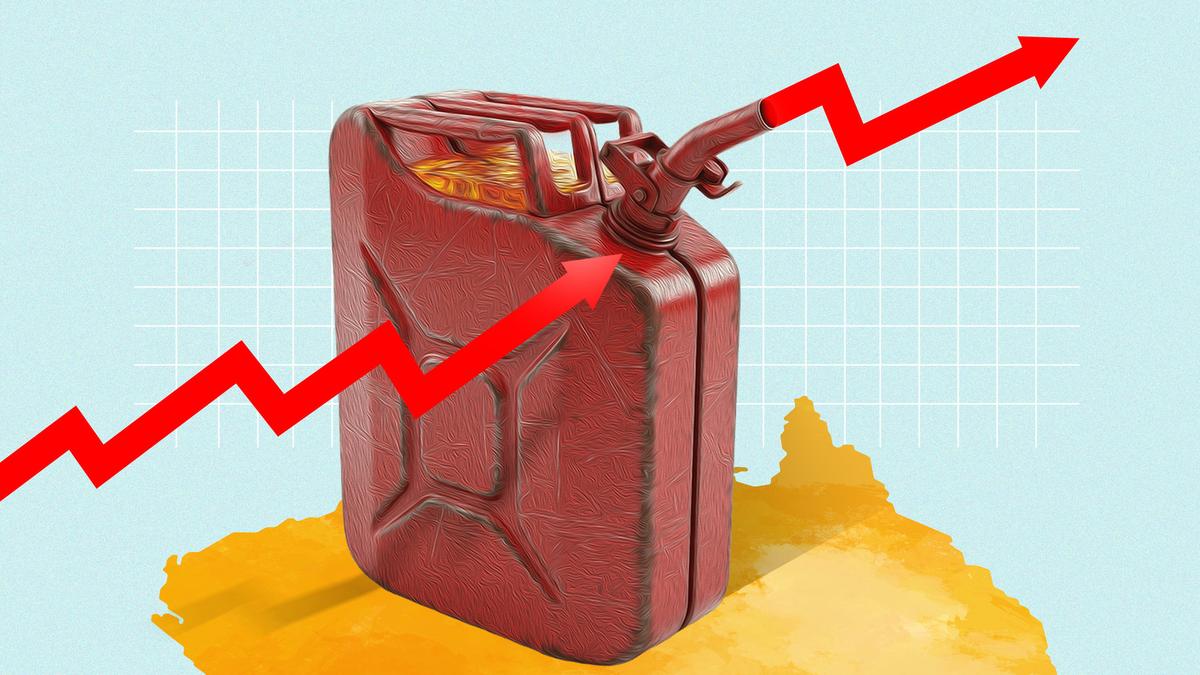
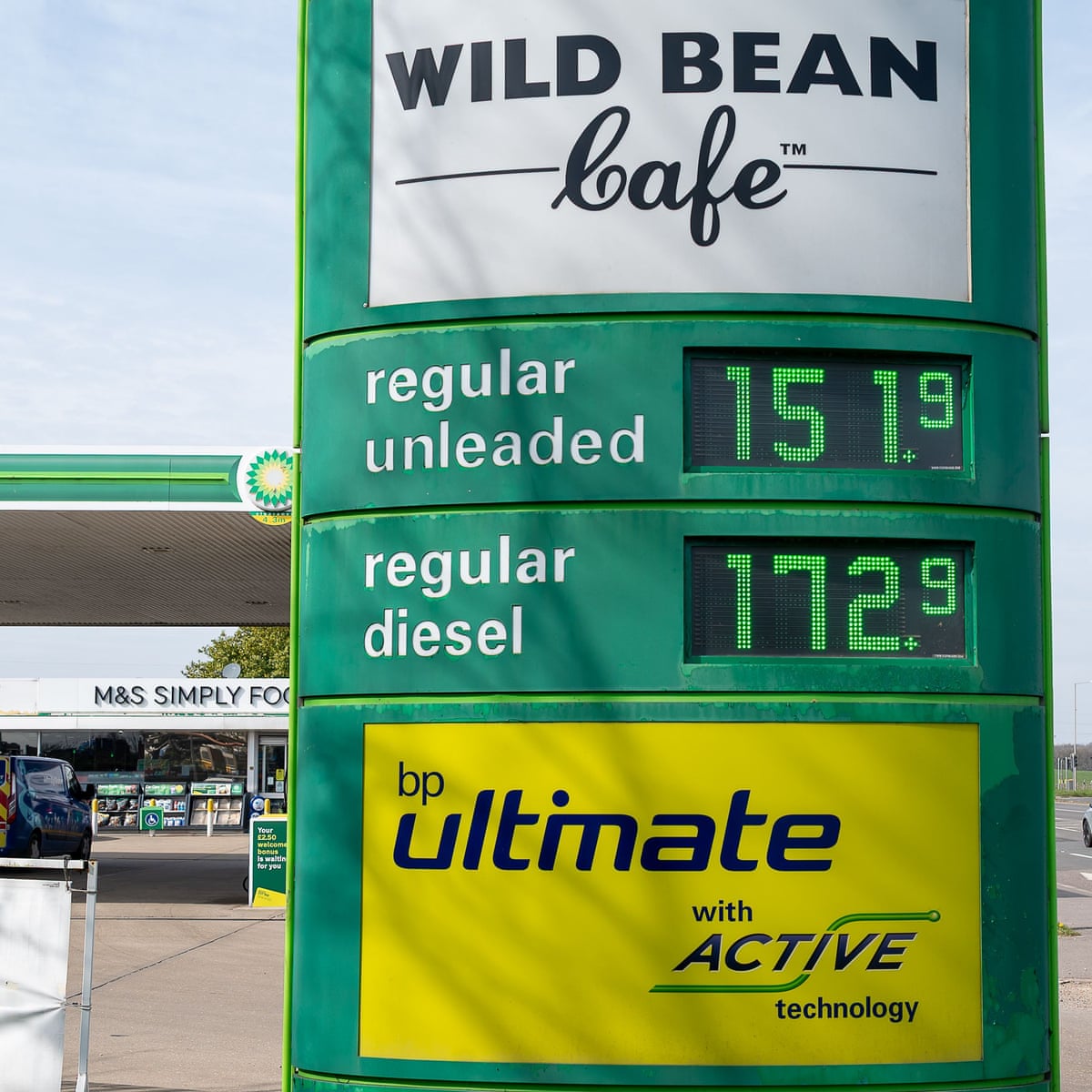
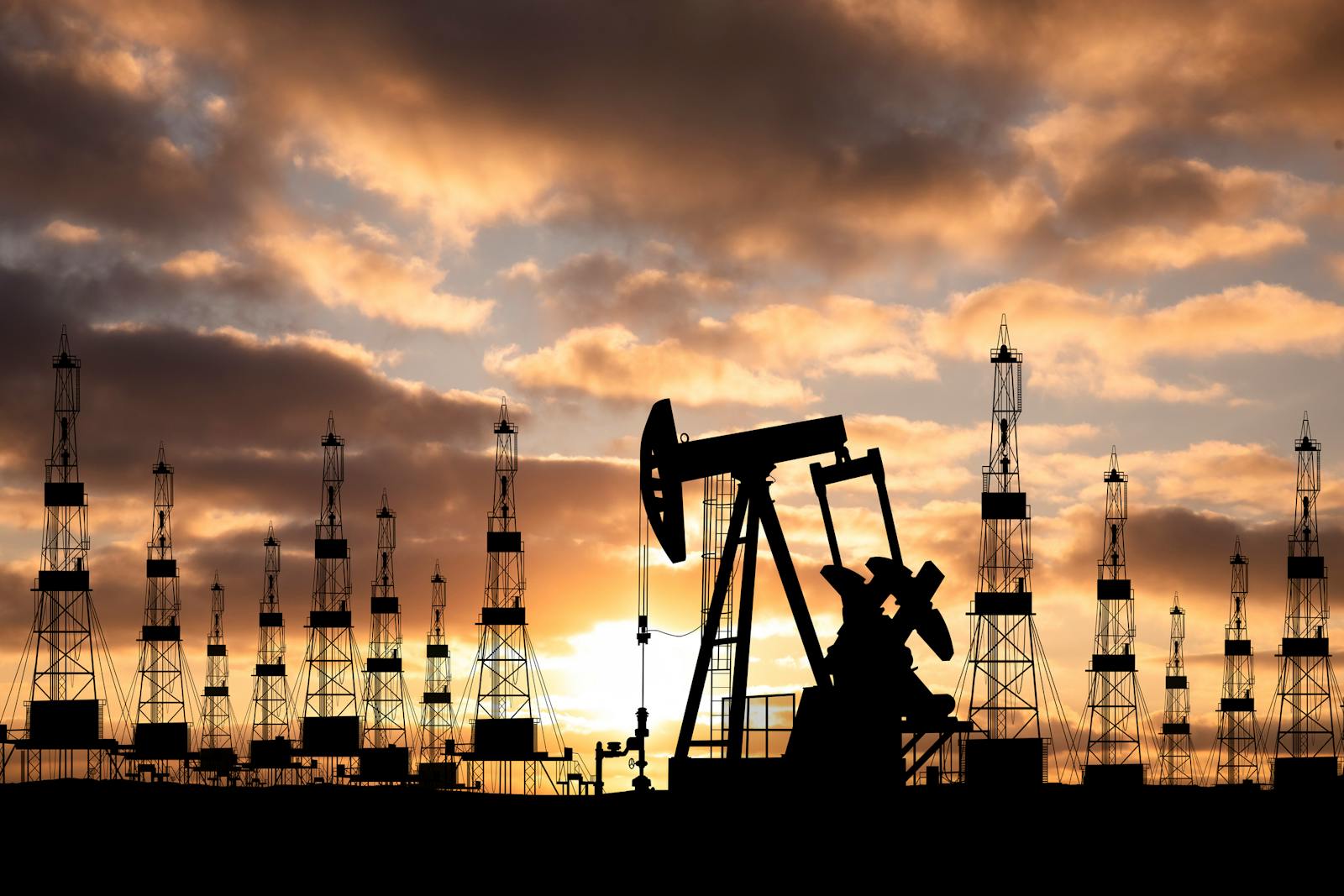
The world could enter a global recession if the Middle East war deteriorates and drives crude oil from about $US90 a barrel to as much as $US150 a barrel, BlackRock chief executive Larry Fink has warned as the head of the world’s largest institutional investor.“If Iran remains a threat and oil prices stay high, it will have profound implications for the world economy,” the manager of $20 trillion in assets told the BBC, triggering what would probably be a “stark and steep recession”.In Australia, Treasurer Jim Chalmers issued another grim outlook for the economy, warning inflation will accelerate despite a slight dip last month.Sign up to The Nightly's newsletters.Get the first look at the digital newspaper, curated daily stories and breaking headlines delivered to your inbox.By continuing you agree to our Terms and Privacy Policy.Before the worst energy crisis in modern history the consumer price index eased to 3.7 per cent from an annual pace of 3.8 per cent in February, the Australian Bureau of Statistics revealed on Wednesday.As Westpac Bank predicted inflation would hit 5.5 per cent by the middle of the year, Dr Chalmers said inflation was “still too high and the war will make it worse.”“The inflationary pressures from the war in the Middle East are very substantial and we expect to see the consequences of that war push up inflation higher for longer in our economy,” he told reporters in Canberra.“What we’re seeing with petrol prices particularly for those Australians who can’t substitute out of petrol or diesel, obviously that has a dampening effect on the economy as well.”Economists are worried expectations that prices will continue to rise for the foreseeable future will become entrenched in the economy, prompting the Reserve Bank of Australia to increase interest rates so high it triggers a recession.Oil prices fell and shares rose on Wednesday after President Donald Trump said “the war is won” and sent a 15-point peace proposal to Iran, which ridiculed the approach and attacked Saudi Arabia and Kuwait with missiles.An inflation surge above 5 per cent would be the most dramatic since early 2022, when Russia’s Ukraine invasion sparked crude oil sanctions and was followed by aggressive rate hikes into late 2023.Even before the war, Australian inflation had risen to levels last seen three years ago when the Reserve Bank was last aggressively hiking rates.With inflation above the Reserve Bank of Australia’s 2-3 per cent target, a May interest rate hike is still considered likely even though high petrol prices have sent consumer confidence to the lowest level on record.The annual underlying measure of inflation with volatile price items, known as the trimmed mean, was still elevated at 3.3 per cent in February, with Westpac expecting a modest lift in this measure to 3.5 per cent by mid-year.The data covered the February 28 air strikes on Iran but not the spike in crude oil prices above $US100 a barrel for the first time in four years and an increase to more than $2.50 for unleaded petrol in cities.Housing expenses rose by 7.3 per cent. Education prices rose 4.8 per cent. Volatile domestic holiday travel and accommodation cost rose 8.8 per cent.Overall services inflation was at 3.9 per cent and goods inflation was 3.5 per cent. Shoe prices rose 5.5 per cent.The futures market and most economists expect a May 5 rate hike, following the publication of March inflation data.“Another hike is possible if there is a larger pass-through of higher oil prices into other parts of spending and if inflation expectations remain elevated,” AMP deputy chief economist Diana Mousina said.Some economists argue rates should be cut because high energy prices, which effect the price of almost all goods, make people poorer and spend less on other things, including holidays, furniture and computers.With economic growth already weak and expected to slow even more, Deloitte Access Economics chief Pradeep Philip said a May rate rise during an oil crisis risked making a bad situation worse.“Time will tell whether last week’s rate hike was a prudent safeguard against domestic pressures and external shocks, or a premature move that risks weakening an already fragile economy being rocked by forces beyond its control,” he said.