Mark Zuckerberg building AI agent to assist with Meta CEO role: Report
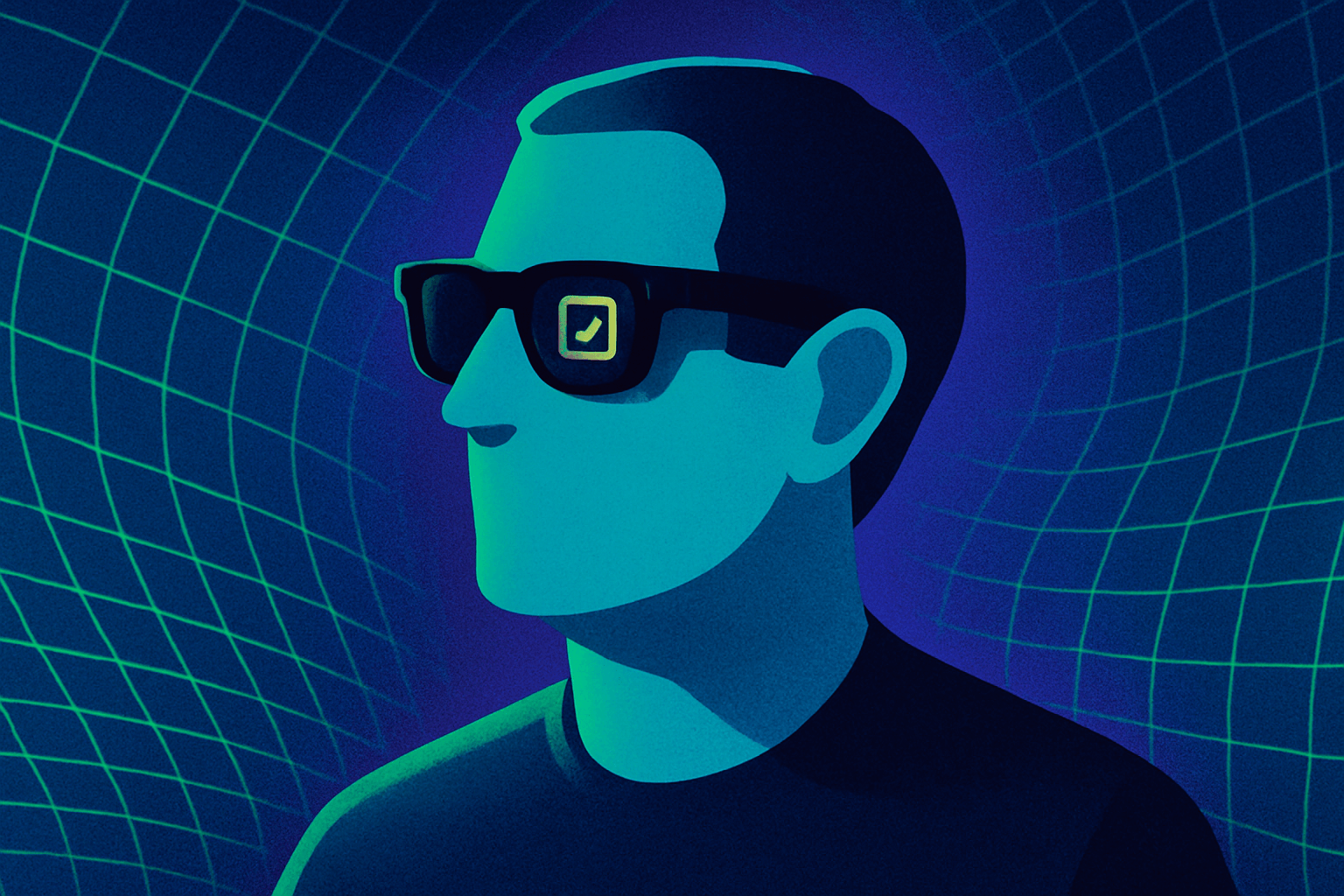
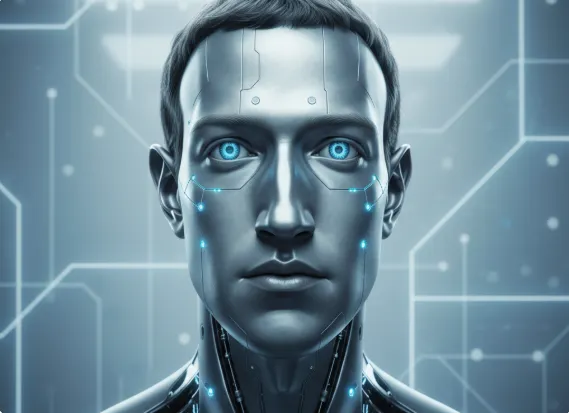
Meta CEO Mark Zuckerberg is reportedly testing a new artificial intelligence agent designed to assist with, and potentially perform, some of the responsibilities typically handled by a chief executive officer.
The move signals how artificial intelligence is moving beyond productivity tools and into executive decision-making and corporate leadership roles.
The experimental system is currently being developed internally and is intended to act as a leadership co-pilot, helping him manage information, strategy, and company operations more efficiently.
AI as a leadership co-pilot
The AI agent is designed to retrieve information quickly, analyze data, and streamline decision-making processes that normally require multiple layers of management and communication within large organizations, according to a report by The Wall Street Journal.
Instead of relying on teams to gather reports and insights, the AI can access internal data, documents, and communications directly to provide answers and recommendations.
Reports suggest the system could help with tasks such as strategic planning, internal communication, document analysis, and operational insights.
By reducing the time required to gather information and make decisions, Meta hopes the AI agent could significantly improve efficiency across the company’s leadership structure.
The project is still in development, but early versions of similar internal AI tools at Meta are already being used by employees to search company data, index documents, and assist with work tasks.
The development of a CEO-level AI agent is part of Meta’s broader push toward becoming an AI-driven company. Zuckerberg has been investing heavily in artificial intelligence research and internal AI tools to improve productivity and streamline the company’s structure.
Meta is increasingly integrating AI into workflows, performance reviews, and internal operations, encouraging employees to use AI tools regularly in their work.
The company has also acquired AI startups and built internal systems that allow AI agents to interact with company files, chat logs, and projects to help employees complete tasks more efficiently.
This shift reflects a larger trend across the tech industry, where companies are experimenting with AI agents capable of performing complex multi-step tasks rather than simple chatbot conversations.
Could AI replace CEOs in the future?
The idea of AI performing executive roles is gaining attention across the technology industry. Some tech leaders have suggested that AI could eventually handle many CEO responsibilities, particularly data analysis, decision support, and operational planning.
Zuckerberg’s experiment is one of the first real attempts by a major tech company to test AI at the executive level, potentially signaling a future where AI systems assist — or partially replace — corporate leadership roles.
While AI is unlikely to replace CEOs entirely in the near future, the development shows how AI is moving into higher-level decision-making roles, not just automation and coding tasks.
If successful, AI leadership assistants could become common tools for executives across industries.
The experiment highlights a broader shift in how companies operate, where AI is increasingly part of decision-making, strategy, and management—not just software development or customer service.