3 years after Tempe rail disaster, trial opens amid tensions
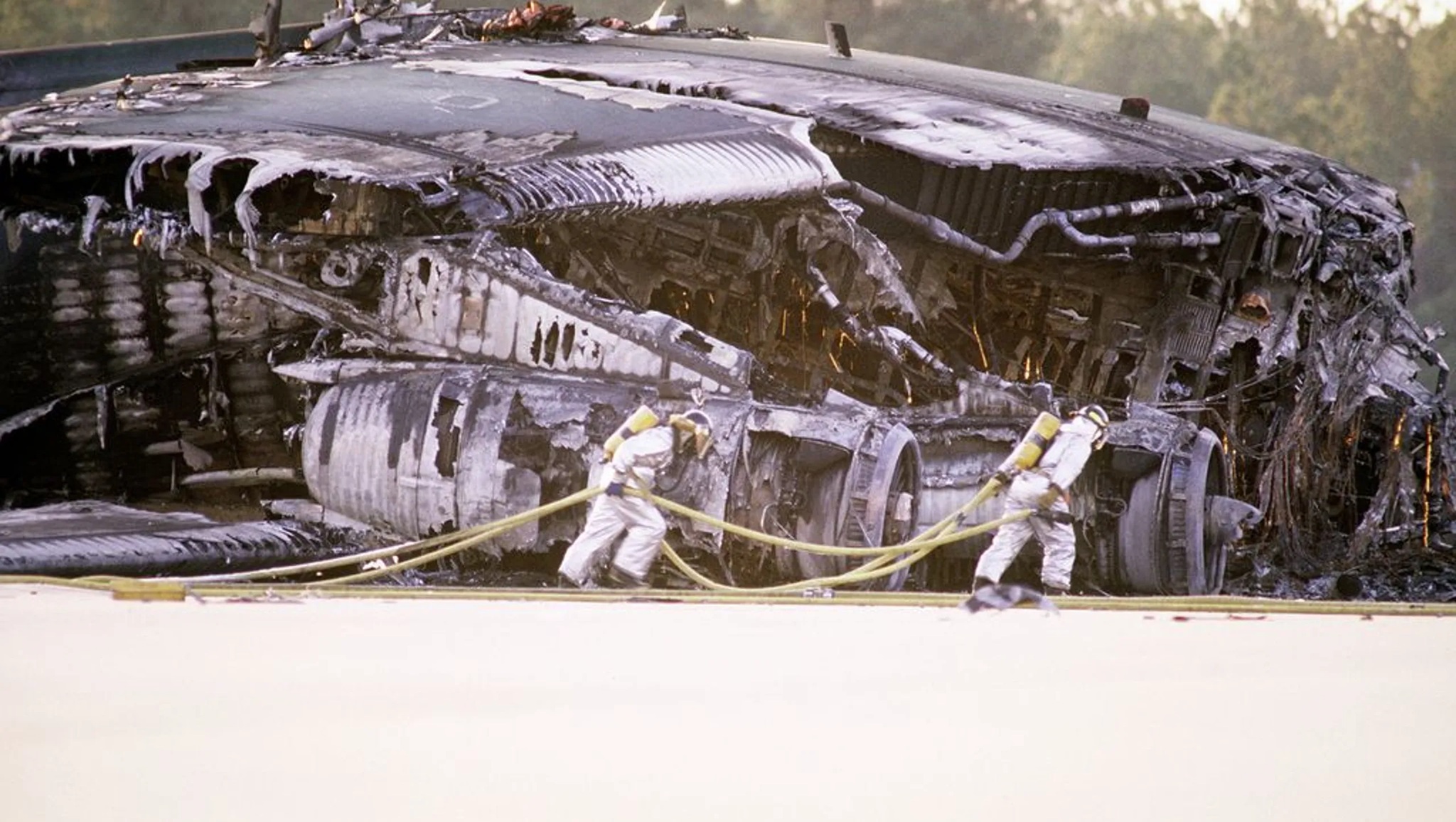
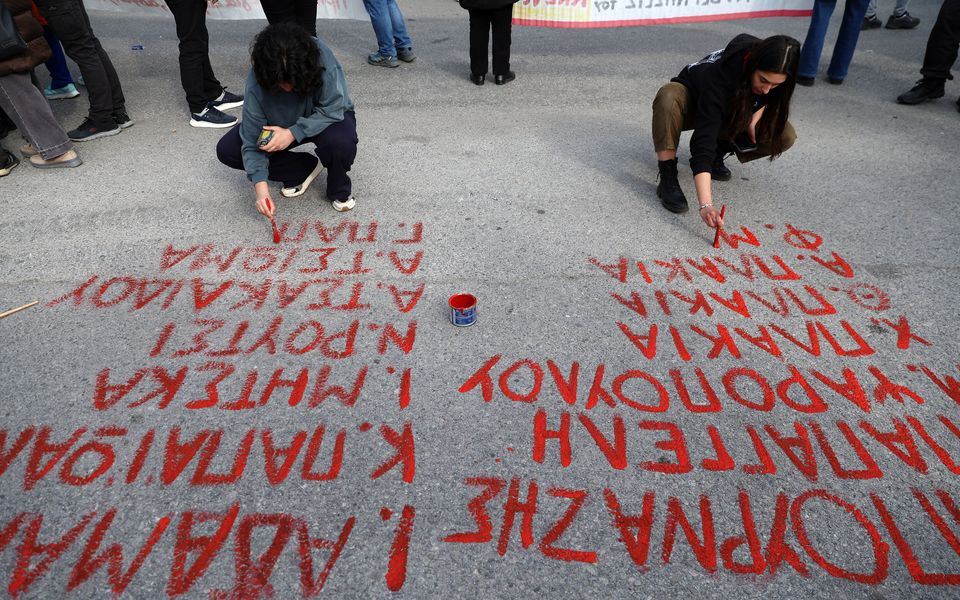
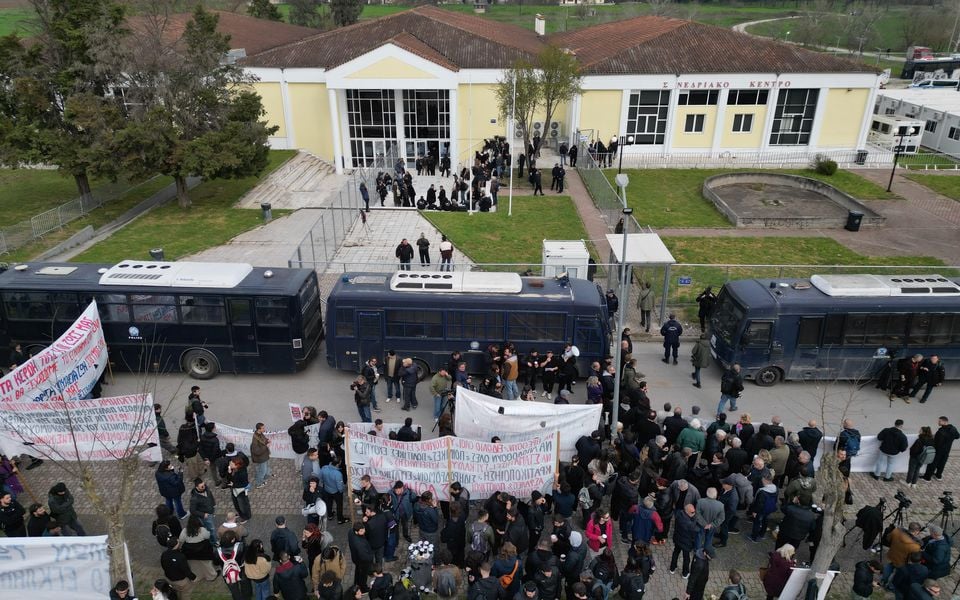
More than three years after the 2023 Tempe rail disaster in central Greece – the country’s deadliest – the trial began Monday in Larissa amid a tense atmosphere. Victims’ relatives have criticized the investigation, and no political figures are among the defendants.
A total of 36 defendants are expected to stand trial in a specially arranged hall at the University of Thessaly’s Conference Center. Thirty-three of the defendants face felony charges of dangerous interference with rail transport, which carries a potential life sentence. Additional charges include involuntary manslaughter and bodily harm by negligence.
Given the scale of the case and the number of participants, the proceedings are expected to be lengthy. More than 350 witnesses are scheduled to testify, and over 230 individuals and entities, including victims’ relatives, survivors, bar associations, and unions, will support the prosecution.
A judicial investigation is also underway regarding former transport minister Kostas Karamanlis for breach of duty, as well as former deputy minister to the prime minister Christos Triantopoulos, who is accused of obstructing the site. In Athens, officials from the National Transparency Authority are on trial over delays in implementing Contract 717, a €41 million EU-funded project intended to upgrade signaling and remote-control systems on Greece’s railway network. Another trial concerning the missing video footage from the night of the train collision is ongoing in Larissa court.
Taxi strike
On Monday, taxi drivers staged a 24-hour strike as a proposed transportation bill is debated and voted on in Parliament. Drivers were to gather on Athinon Avenue at 11 a.m., then head to the city center in front of Parliament, significantly disrupting traffic.
They are strongly opposing provisions mandating a transition to electric taxis in Athens and Thessaloniki. Drivers describe the measure as a “forced” shift that threatens their livelihood and plan to challenge it before the Council of State if it is passed.
Left splits further
The New Left, a two-year-old splinter party from SYRIZA, appears to be fracturing from within. Party president Alexis Charitsis is expected to resign on Tuesday following disagreements over whether to cooperate with former prime minister Alexis Tsipras, who is expected to soon form a new party. Secretary general Gabriel Sakellaridis is expected to succeed him. Eight MPs aligned with Charitsis must decide whether to leave immediately or maintain a parliamentary presence. If they leave, the party will be left without a parliamentary group.
Teachers’ strike
The Greek Teachers’ Federation has called for a work stoppage on Thursday from 8 a.m. to 10 a.m., citing an “urgent need” for state support of public schools. The strike was prompted by the death of a teacher in Thessaloniki. The federation is demanding a “full and thorough investigation of the circumstances” surrounding the incident.
PASOK conference
Heading into a critical three-day congress this Friday, the main opposition party PASOK is facing internal tensions, as leading officials disagree sharply on how events during the congress will unfold.
One key point of discussion is the party’s potential post-election cooperation with the governing New Democracy party. While all factions have expressed opposition to such a possibility, the debate focuses on how it should be formulated. Party leader Nikos Androulakis’ supporters want an explicit commitment included in the conference’s adopted declaration, while Athens Mayor Haris Doukas’ supporters are pushing for a separate, specific resolution.
There are also differing views on proposals regarding the party charter, including reducing the number of central committee members and imposing term limits on PASOK members serving in labor unions. Additionally, MP Manolis Christodoulakis is expected to propose that the party president be elected solely by party members, not “friends.”