'I worry for customers', says Standard Life boss: City chief sounds alarm as Middle East war shatters household confidence
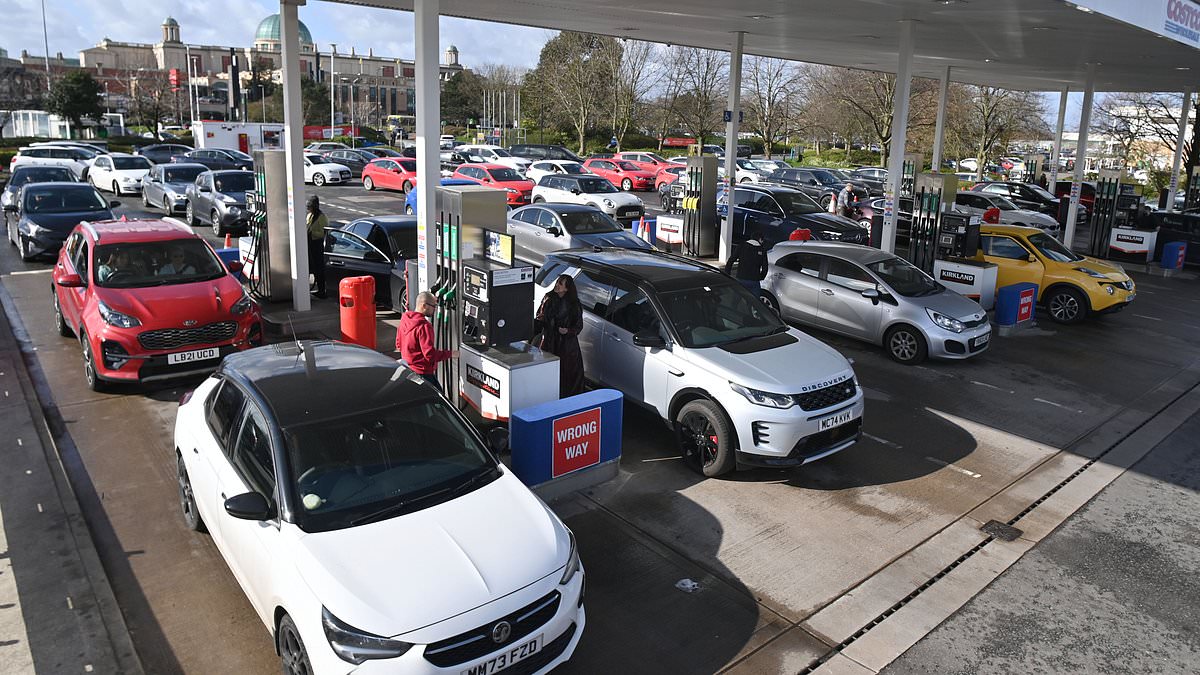
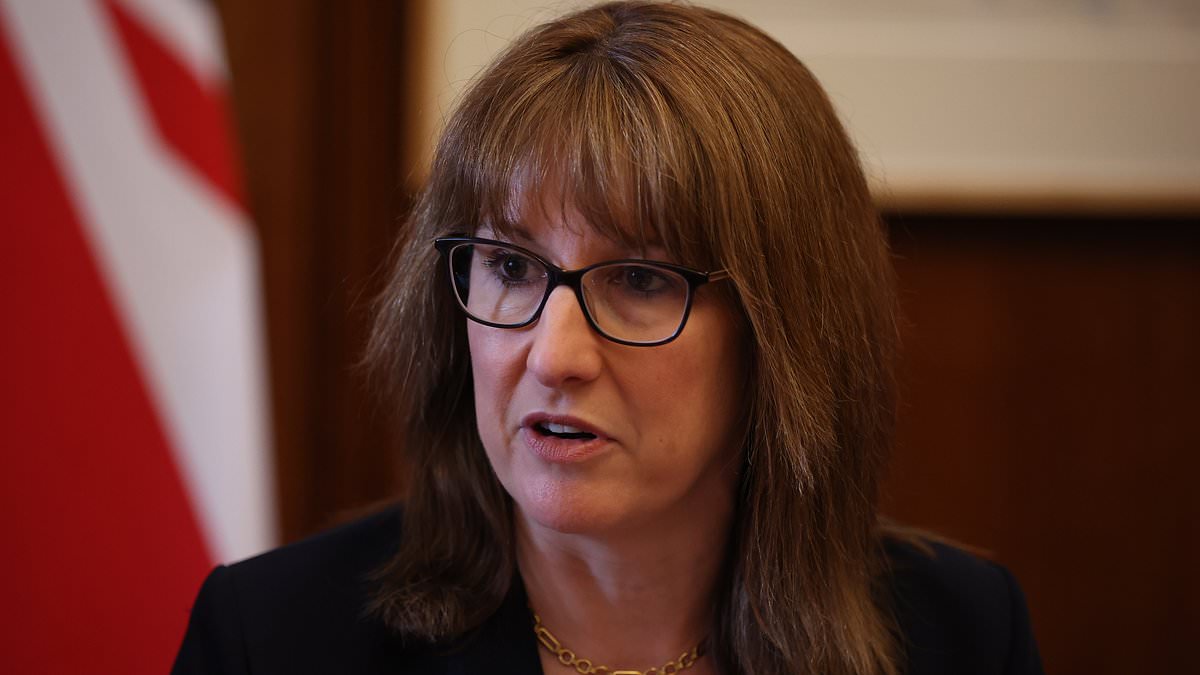
The boss of Standard Life yesterday sounded the alarm over the impact of war in the Middle East – as figures showed it had caused a slump in consumer confidence.Andy Briggs said ‘I do worry for customers’ as the war in Iran threatens to push up inflation and interest rates – with petrol and diesel prices already shooting higher.His comments came as a bleak report from S&P Global showed households are more downbeat about their financial prospects than at any time since December 2023.The analytics firm said it was ‘reporting an increased reluctance to spend and borrow while growing more worried about job security’.And there was further gloom for borrowers as former Bank of England rate-setter Jonathan Haskel said an interest rate cut by the Bank this week was ‘completely off the table’.Briggs’s comments came after Standard Life – previously known as Phoenix – posted a better-than-expected 15 per cent rise in underlying annual profits to £945million. Family finances: Standard Life boss Andy Briggs, pictured, said he was concerned about the potential impact on household disposable income should inflation and interest rates go upAnd while the company shrugged off the potential impact of the Middle East turmoil on its own business – with exposure to the Middle East ‘negligible’ and its own balance sheet hedged against global risks – Briggs acknowledged its wider impact.‘The only thing I would be concerned about is that, if we see inflation go up and interest rates go up, it’s the impact on household disposable income,’ he told the Daily Mail.‘It won’t particularly impact our business, but I do worry for customers where, if their outgoings are going up with inflation, with higher interest rates then that will have an impact.’Meanwhile, figures from the RAC showed motorists are already feeling the squeeze, with petrol prices up 9p a litre to nearly 142p and diesel surging 19p to 161p, the highest since November 2023. It means the cost of filling up a 55-litre car has shot up by £5 for petrol vehicles and £10 for diesels since the war began.The RAC said analysis of wholesale fuel data suggested petrol was likely to rise by another 3p to an average of 145p and diesel by 9p to 170p.There was little sign of relief on oil markets as the price of a barrel of Brent crude shot up to $106 before settling at just under $102, up from $72 before the war started.S&P Global’s report for March showed overall consumer sentiment had tumbled to a 14-month low with households even more gloomy when it comes to their own financial outlook.They are also increasingly pessimistic about interest rates, with 45 per cent expecting the Bank of England’s next move to be up and 21 per cent anticipating a cut.Maryam Baluch at S&P Global said: ‘A marked deterioration of consumer sentiment in March means we are seeing the first concrete signs of the war in the Middle East damaging the UK economy.‘Households are again grappling with increasing energy and fuel prices, exacerbating already strained finances.‘It adds to the bleak outlook for the economy – which failed to grow at all in January, even before the impact of the war was felt.’Join the debateHow are rising fuel prices and economic uncertainty changing the way you manage your household budget?DIY INVESTING PLATFORMSAJ BellAJ BellEasy investing and ready-made portfoliosHargreaves LansdownHargreaves LansdownFree fund dealing and investment ideasinteractive investorinteractive investorFlat-fee investing from £4.99 per monthFreetradeFreetradeInvesting Isa now free on basic planTrading 212Trading 212Free share dealing and no account feeAffiliate links: If you take out a product This is Money may earn a commission. These deals are chosen by our editorial team, as we think they are worth highlighting. This does not affect our editorial independence.Compare the best investing account for you
Share or comment on this article:
'I worry for customers', says Standard Life boss: City chief sounds alarm as Middle East war shatters household confidence