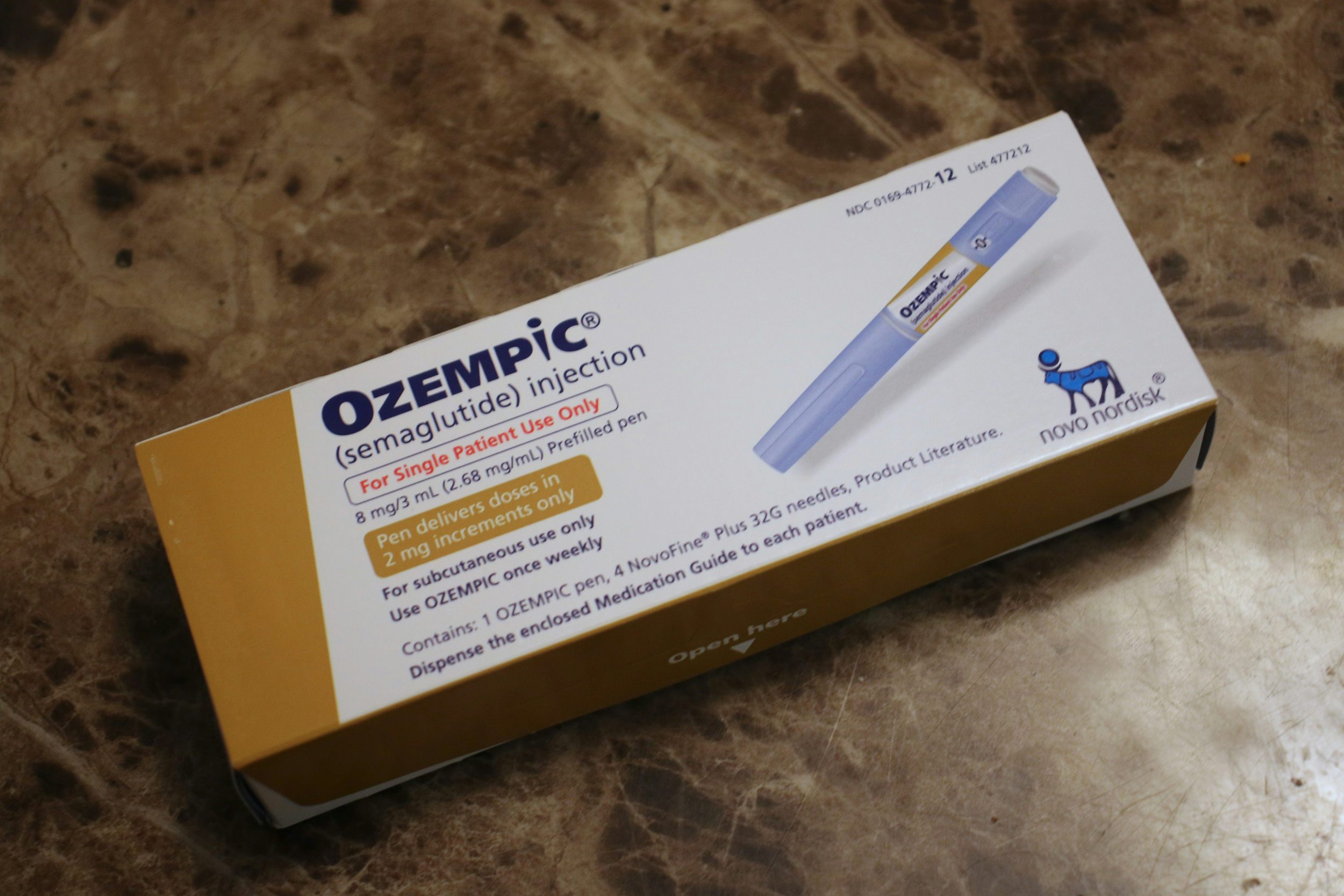
Ozempic Safety Crisis: FDA Slams Novo Nordisk for Failing to Report Patient Deaths
The US Food and Drug Administration has accused Novo Nordisk of 'serious violations' in its safety reporting systems, revealing that the Danish drugmaker failed to report three patient deaths involving its blockbuster diabetes drug Ozempic within mandatory timeframes.The FDA's 5 March warning letter does not claim Ozempic caused the deaths. Instead, it exposes a systemic breakdown in how Novo Nordisk monitors and reports adverse events, raising questions about whether critical safety signals are reaching regulators in time to protect patients.15-Day Deadline Repeatedly MissedFederal regulations require pharmaceutical companies to report serious and unexpected adverse events to the FDA within 15 calendar days. Inspectors who examined Novo Nordisk's Plainsboro, New Jersey headquarters between 13 January and 7 February 2025 found the company repeatedly failed to meet this obligation.Among the unreported cases were two deaths and one suicide involving patients taking semaglutide, the active ingredient in both Ozempic and its weight-loss counterpart Wegovy. In one case, a physician reported that a patient 'was depressed and committed suicide,' yet Novo Nordisk failed to document any follow-up attempt. As of the warning letter's publication, that case had still not been submitted to the FDA.The regulator found that Novo Nordisk's internal procedures allowed adverse events to be rejected or cancelled if reporters believed them unrelated to the drug. This directly contradicts FDA rules, which require all adverse events to be reported regardless of perceived causality.'Your written procedure excluded reports from the definition of adverse reaction if the reporters specifically state that they believe the events to be unrelated,' the FDA wrote. 'This definition is inconsistent with FDA regulations.'Why Reporting Failures MatterThe distinction between causation and reporting compliance is critical. The FDA relies on timely adverse event data to detect emerging safety patterns across millions of patients. When companies fail to report deaths and serious reactions, regulators lose visibility into potential risks.Beyond the three deaths, inspectors found Novo Nordisk failed to submit safety reports for 'at least 10' other serious adverse events, BioSpace reported. The agency expressed concern that these failures likely extend beyond the products sampled during the inspection.Vision Loss Research Adds PressureThe warning letter arrives as fresh research strengthens concerns about glucagon-like peptide-1 (GLP-1) drugs and eye health. A study presented at the American Academy of Ophthalmology's October 2025 meeting found that patients using GLP-1 drugs were 68.6 times more likely to develop non-arteritic anterior ischemic optic neuropathy, or NAION, compared to those on other diabetes treatments.
While Novo Nordisk struggles with reporting lapses, independent researchers are filling the information gap with troubling new data regarding vision loss.NAION occurs when blood flow to the optic nerve is blocked, causing sudden and often permanent vision loss. The European Medicines Agency has since added NAION as a 'very rare' side effect to semaglutide product labels.Lawsuits Consolidate in Federal CourtLegal pressure on Novo Nordisk continues to build. As of early March, 3,363 lawsuits were pending in federal multidistrict litigation (MDL) in the Eastern District of Pennsylvania, with plaintiffs alleging the company failed to warn about risks including gastroparesis and bowel obstruction.A separate MDL for vision loss claims now contains 54 cases, with both proceedings overseen by Judge Karen Spencer Marston.Unregulated Sales Compound the ProblemThe FDA's enforcement action comes as millions seek GLP-1 drugs through unofficial channels. According to The Pharmacist, one in five UK weight-loss medication users obtained their drugs without a prescription, with 31% purchasing through social media.The World Health Organisation issued a global warning in 2024 about counterfeit Ozempic products after fake injection pens were seized in Brazil, the UK, and Northern Ireland.Company ResponseThe FDA's enforcement action gives Novo Nordisk 15 business days from the March 5 warning letter to detail its corrective measures.Anna Windle, head of clinical development, medical and regulatory affairs at Novo Nordisk US, stated the company 'takes PADE reporting requirements seriously' and plans to address the agency's concerns 'expeditiously and holistically'.While the company has already submitted several updates to the FDA since the initial 2025 inspection, it now faces a March 26 deadline to prove its systems can reliably capture the safety data millions of patients depend on.