Motor Oil Boiling In Your Car Is Nearly Impossible, But If It Does You've Got Bigger Problems
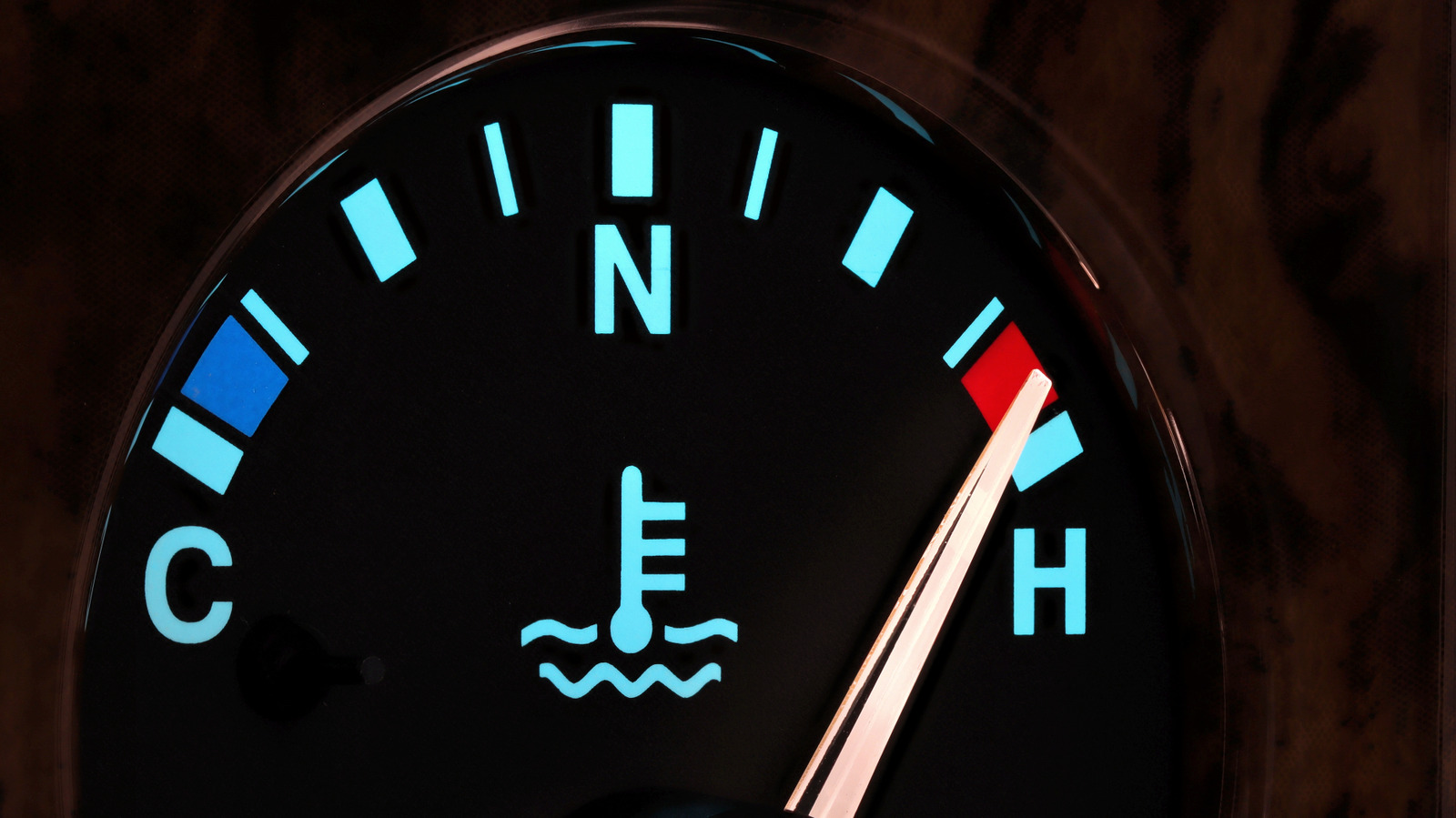
You won't ever have to think about boiling the motor oil of your car's engine since the engine will most likely seize, stall, or blow itself up from within before the oil gets a chance to boil. The engine in an average sedan or crossover hums merrily between 167 and 221 degrees Fahrenheit (75 to 105 degrees Celsius). Anything higher is a surefire sign of an overheating engine.
Meanwhile, regular motor oil will start degrading at above 275 degrees Fahrenheit (135 degrees Celsius), while full synthetic oils can resist thermal breakdown at temperatures over 300 degrees Fahrenheit (149 degrees Celsius). Racing-blend synthetic oils can withstand higher temps, sometimes reaching above 350 degrees Fahrenheit.
The boiling point of motor oil is anywhere between 250 and 700 degrees Fahrenheit (121 and 371 degrees Celsius), and the huge variance boils down to the type or blend of oil, as mentioned above. As the figures suggest, the engine will overheat to oblivion before the oil begins to boil, and it doesn't matter if your engine is running conventional or full-synthetic oil.
More heat, more problems
Your car's engine and the oil inside it rely on an efficient cooling system to keep excess heat from ruining the fun. Too much heat will chemically degrade the oil, and the lubricant tends to oxidize twice as quickly with every 18-degree Fahrenheit (10 degrees Celsius) rise in temperature. Sure, it's better to do an oil change when the engine is warm, but nasty things begin to happen if the oil gets too hot.
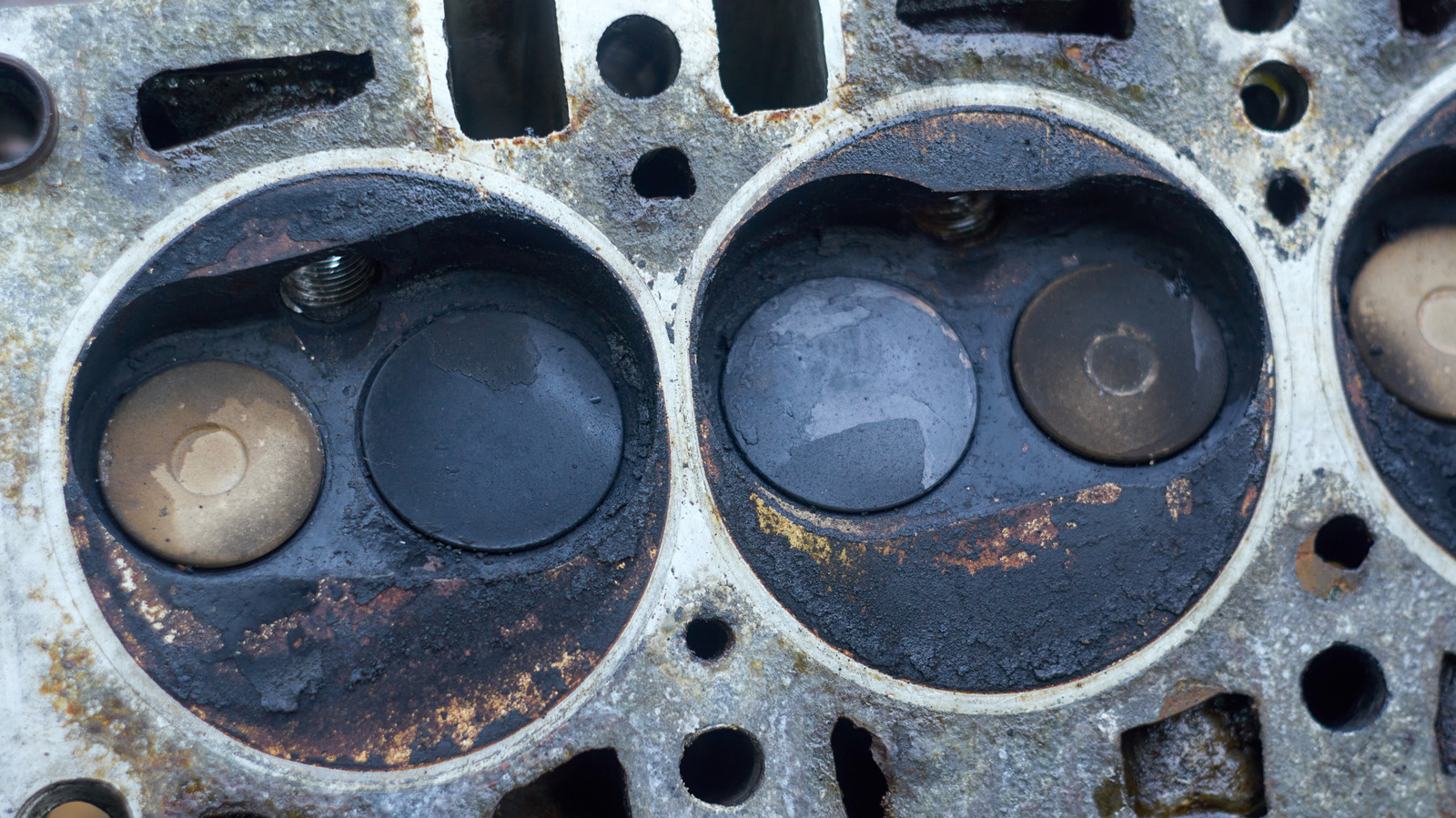
The carbon chain molecular structure of motor oil begins to crack or break down as temperatures get higher, and this affects oil viscosity or the thickness of the lubricant. Too much heat will permanently thin the oil to the point of rendering it useless in lubricating moving parts. Furthermore, the detergents, additives, and other chemicals of the oil will cook when it gets too hot, and they will eventually burn and turn into nasty sludge.
No matter the case, metal-to-metal contact is inevitable when the oil breaks down, and this causes irreversible damage to moving parts like the pistons, valves, camshafts, bearings, and more. In other words, an expensive rebuild or overhaul is in the cards, so it's important to always keep an eye on the temperature gauge to prevent overheating and thermal breakdown of the oil.
Things to check to prevent overheating
It doesn't take much to keep overheating from degrading the oil and potentially destroying your car's engine. As the cooling system is responsible for maintaining the ideal operating temperature, keep an eye on the coolant levels, and top off the fluid if necessary. Check the owner's manual, and follow the recommendations for a coolant flush. Like the oil, the coolant is not a forever liquid, although how often you need to change it depends on your car's make, model, and engine, as well as the type of coolant in the radiator.
Speaking of the radiator, check the hoses, radiator cap, and radiator body for leaks, cracks, or signs of damage. In some cases, flushing the radiator and refilling it with fresh coolant is necessary every 2 years or 30,000 miles, but it varies from vehicle to vehicle.
Another thing worth checking is the electric cooling fan(s) of the radiator and HVAC system. Some cars have a single fan, while larger cars often have a dual-fan setup. Those fans are remarkably durable and can keep working problem-free for many years. However, most cooling fan assemblies can only last 80,000 to 150,000 miles (roughly 130,000 to 240,000 kilometers). When they fail, no amount of coolant can keep your engine and the oil from breaking down, so check the fans regularly and replace them when necessary.