Travel expert Simon Calder predicts when 'people will be able to travel again' to Dubai, Qatar and UAE
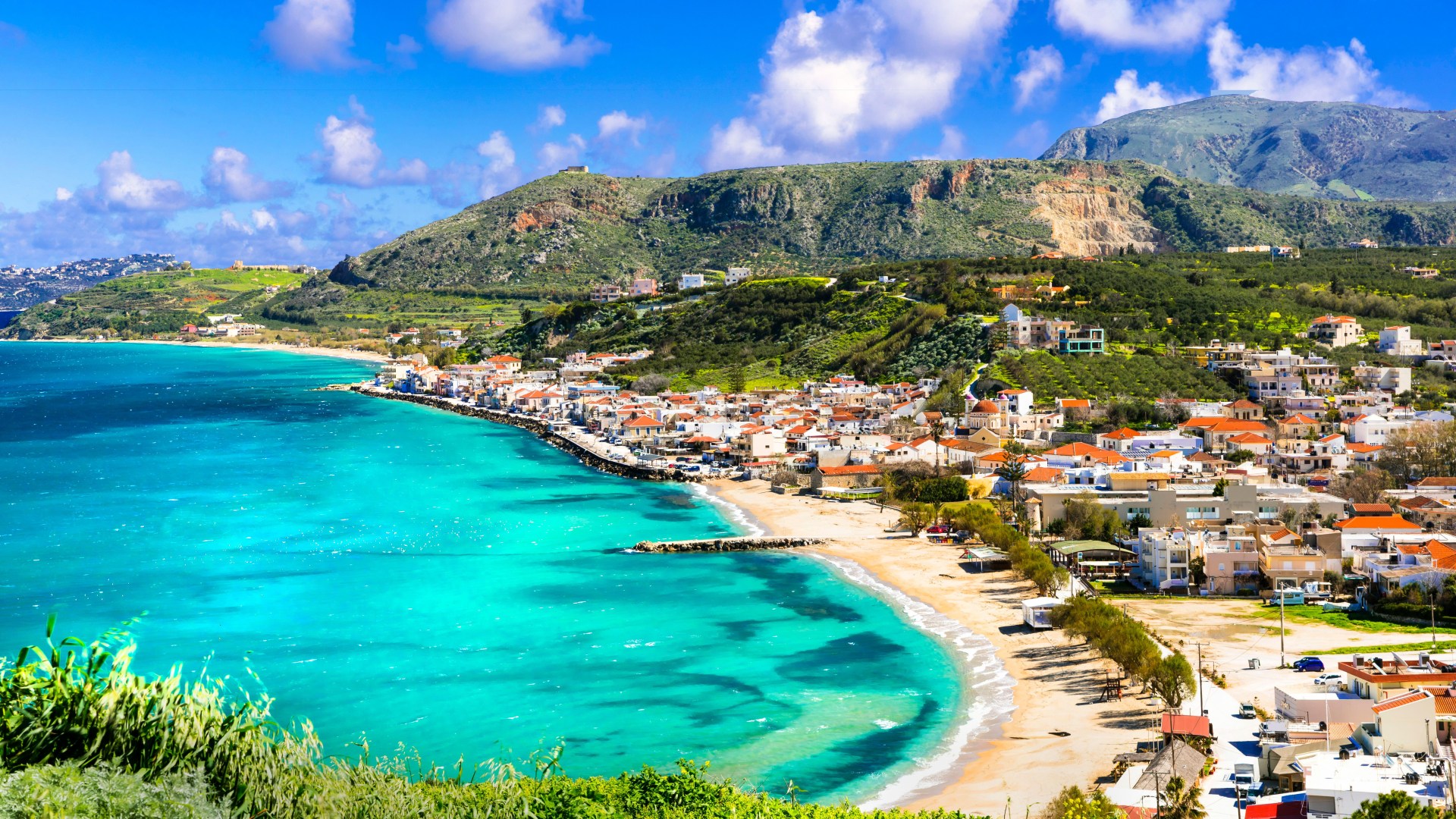
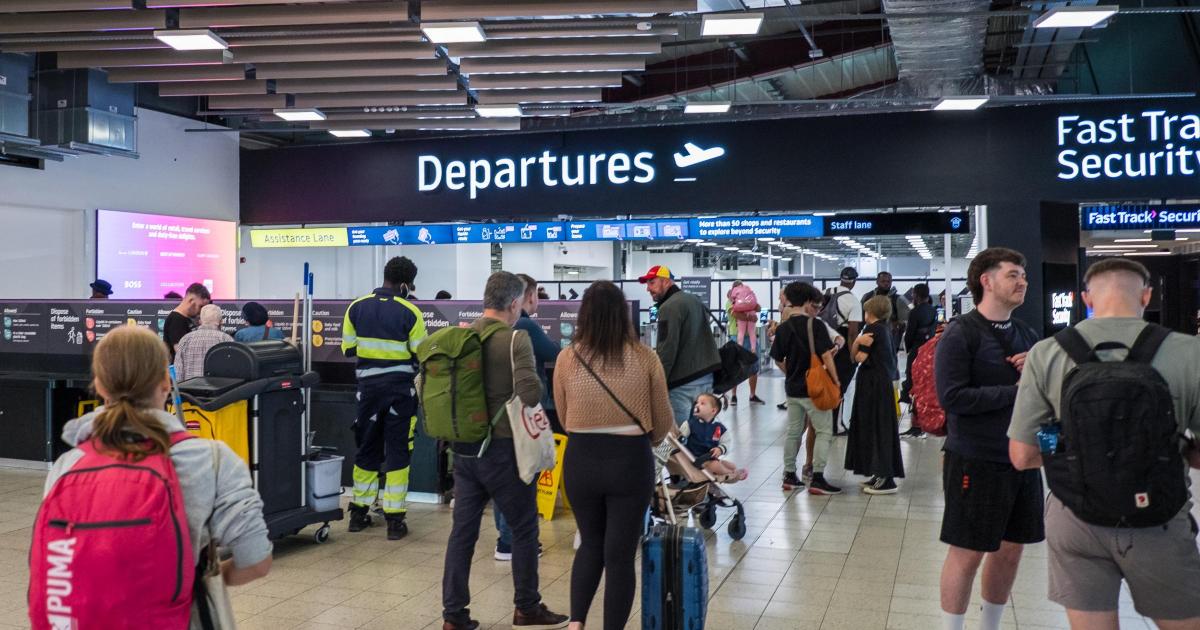
A travel expert has given his thoughts on when 'people will be able to travel again' as the conflict in the Middle East rages on. Journalist Simon Calder, who specialises in travel, spoke to Sky News about the crisis and how it was affecting global travel.US and Israeli strikes on Iran are nearing the end of their second week, with no end in sight. Travel to the Middle East remains restricted, with airlines reducing the number of flights to and from the region.The likes of Oman, Qatar, and the United Arab Emirates are crucial transport hubs for the likes of Asia and Australasia. The start of hostilities left hundreds of thousands of travellers stranded.Speaking to Sky News, Mr Calder gave his thoughts about when travel might become easier. He said: "We've already seen missiles sent to Turkey and attacks on Cyprus. Now, personally, I think the chances of anything happening to a tourist in Turkey or Cyprus are microscopically low, but I also know that people are rebooking away. They're going to the western Mediterranean—so, typically, Spain and Portugal—because they believe they will be safer there."If you're flying from the UK to a holiday spot such as Turkey or Cyprus and that flight is cancelled, then, fortunately, air passenger rights rules are squarely on your side. The airline that cancels the flight has to get you to your destination as soon as possible, regardless of the cost. And if you can't get there immediately, the airline has to provide meals and accommodation, if necessary, before you are able to get to your destination."The Foreign Office warns against travel to Kuwait, to Bahrain, to Qatar and, crucially, to the UAE, home to the busiest hub in the world: Dubai International Airport. But I'm also predicting that, actually, that ruling is going to lift fairly quickly, and people will be able to travel again."Flights are continuing through Dubai International Airport, despite two Iranian drones injuring four people are exploding at the facility. The Dubai Media Office, which issues statement on behalf of the city-state’s government, said flights are continuing. and that the attack caused 'minor injuries to two Ghanaian nationals and one Bangladeshi national, and moderate injuries to one Indian national'.Authorities have been trying build up its flight schedule though the airport has been targeted in the war. The war has caused uncertainty for people who have flights booked in the coming weeks, so Mr Calder gave his advice on what travellers should do."If your flight is due to go, I'd say, a week or more from now, well, all you can do is just hope that it goes ahead," he said. "If you're going imminently and you do not know if your trip is running, well, the basic news is that if you go to Abu Dhabi, to Dubai, to Doha, you will be going against Foreign Office advice. So, be aware of that; your travel insurance will be invalidated."I've got some skin in the game. I am booked to fly out on Saturday night from Jakarta, the Indonesian capital, through to Abu Dhabi and connect onwards to London. Now, at the moment, along with many, many other travellers, I'm absolutely promised the flight will go ahead as normal, and I trust that it will. But I simply do not know."At the moment, I'm definitely not cancelling my flight because, well, bluntly, if you cancel the flight—which is what the airlines would really like you to do—you will simply be removing yourself from the problem. If, like me, you're booked in a few days' time and you do have a bit of flexibility, then absolutely keep your booking open."If you go for a refund, first of all, the airline will be delighted because you'll be a problem that's removed from their cares and, secondly, you could find yourself paying three times, five times, 10 times as much to get back. Much better to remain a problem for the airline; they've got to get you where you need to be."