Medical Waste Disposal: A Breakdown
In the United States alone, healthcare facilities generate over 3.5 million tons of medical waste each year. There are several types of medical waste, each requiring a specific disposal method. Certain categories of waste are highly regulated due to their dangerous nature.
Common types of medical waste include trace chemotherapy waste, pathological waste and pharmaceutical waste. Trace chemotherapy waste must be stored in yellow sharps containers or yellow waste bags, while pathological waste is stored in red waste bags.
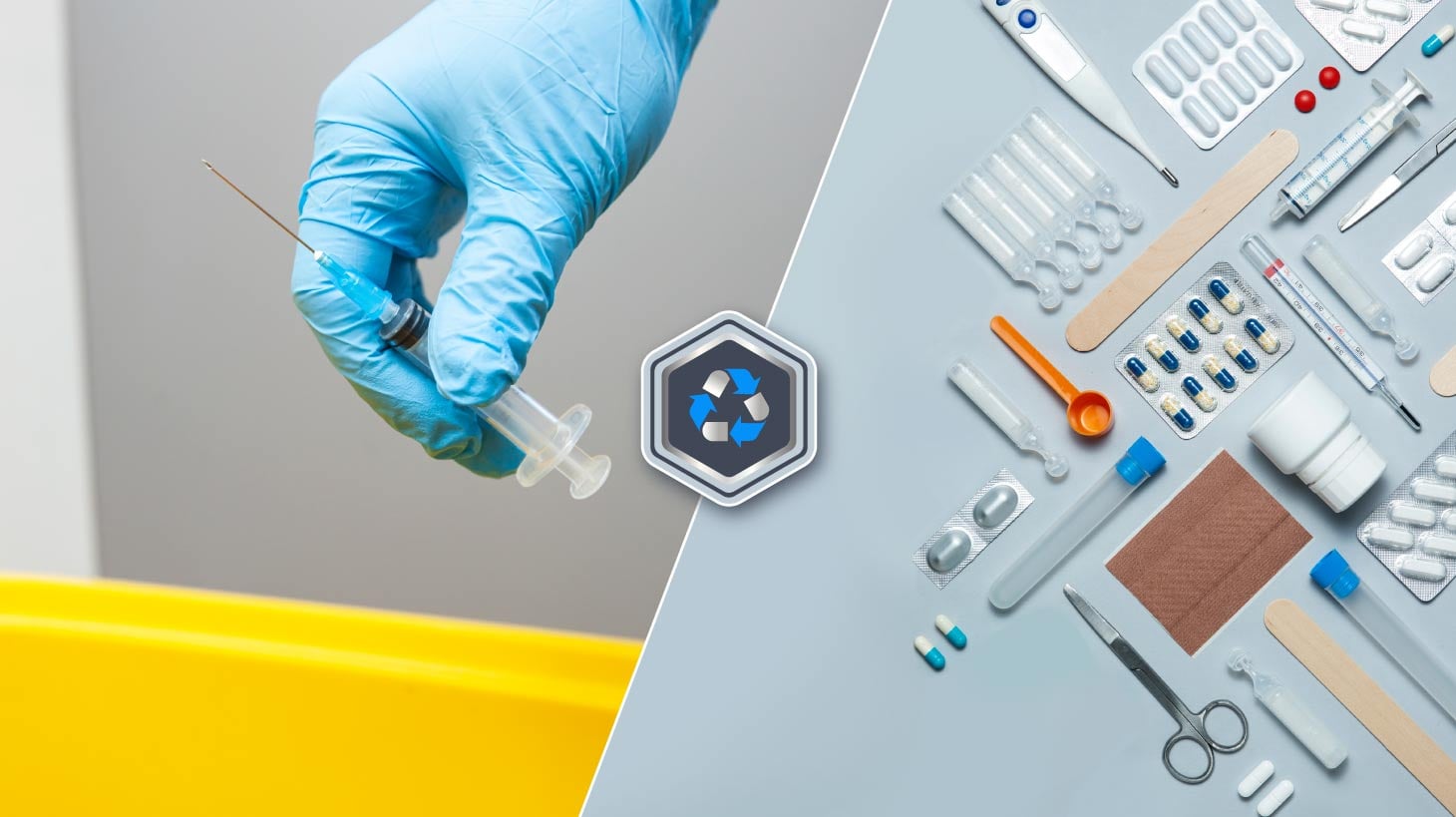
Sharps, such as needles, syringes and scalpels, are another important category to consider. In fact, offices, clinics and businesses that administer injectable medications are legally responsible for sharps management. Fines can be up to $13,653 per violation. Other regulated waste categories include biohazardous/infectious waste, pathological waste and contaminated animal waste.
Medical waste that cannot be sent to a regular landfill is sent to a waste-to-energy facility (WET), where it is processed by steam autoclave or incineration. Each of these methods is better-suited for certain types of waste. For example, steam autoclave is ideal for regulated medical waste, biohazards and sharps. In order to safely dispose of these items, steam autoclave uses moisture, heat and pressure, reaching temperatures of up to 3,200°F. Incineration is best for hazardous drug disposal, chemical waste and pharmaceutical waste.
Healthcare facilities need to invest in specific materials to dispose of medical waste. Proper disposal bins, including red bags, yellow bags and clear labelling, are vital. Other important safety equipment includes puncture-resistant sharps containers, personal protective equipment and hand hygiene stations.
In order to keep up with the large amount of medical waste produced each day, healthcare facilities must stick to protocol, properly disposing of waste in the correct bins and with the correct methods.
Source: Amergy Disposal