Where have all the GAA players gone?
Analysis: Changes in demographics, population and urbanisation are presenting significant challenges for GAA clubs in both urban and rural areas
By Katherine Maughan, Technological University of the Shannon
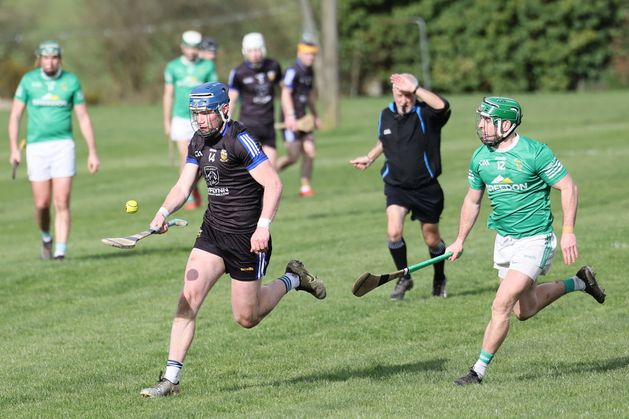
"Will it stop raining?" The boy asks his dad, not a question related to climate change but whether he will have his much-anticipated hurling training or if it will be cancelled yet again to protect the local, authority owned pitch as is often the case in parts of urban Ireland.
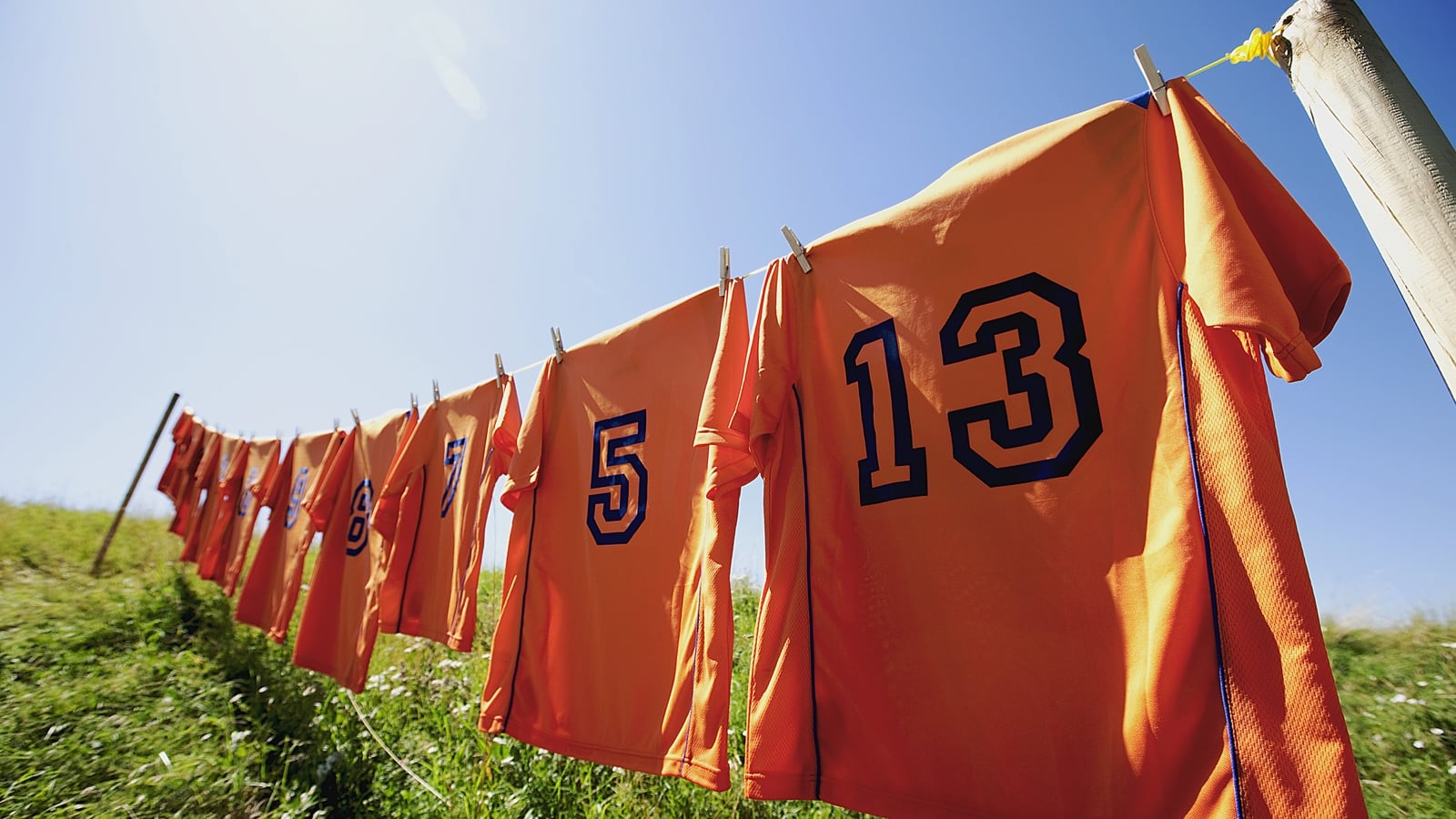
In parts of rural Ireland, the line of GAA jerseys blowing in the wind is becoming a rare sight. It is not a climate change issue, nor the lack of volunteers to take on this task, but rather a lack of players at all ages to field a team as population declines.
And you may well ponder how these situations have emerged. The GAA has always been to the forefront of the community fostering sport, culture and identity both rural and urban – why now is the GAA shouting stop?
We need your consent to load this rte-player contentWe use rte-player to manage extra content that can set cookies on your device and collect data about your activity. Please review their details and accept them to load the content.
From RTÉ Radio 1's Saturday with Colm Ó Mongáin, chairman of the GAA's National Demographics Committee Benny Hurl on concerns for the viability of GAA clubs along the western seaboard
In its simplistic form, it is in response to demographic change and its implications for participation in GAA. The GAA Demographics Committee has undertaken considerable research in this regard, and the facts are clear and stark. The evidence is clear that urbanisation has presented significant challenges both in urban and rural areas.
Ireland’s population is over seven million, the highest since 1851. One might suggest growth is positive. However, this growth is primarily concentrated in the Greater Dublin Area also known as Dublin’s Commuter Belt.
This area which extends from Drogheda to Gorey and includes Carlow, Portlaoise, Tullamore, Mullingar and Navan accounts for almost 33% of the population. Map 1 illustrates this clearly.
18% of GAA clubs and over 25% of total members live within the Dublin Commuter Belt. Source: National Demographics Committee Dublin: Gaelic Athletic Association
Recreational facilities and amenities have not kept pace with this population growth to the detriment of participation rates in sport. In simple economic terms, there is a demand and supply imbalance. The key question is how can this be addressed?
The population imbalance is starker when one examines the population of the Eastern Seaboard (Map 2) wherein 43.5% of total population are resident.
Map 2 - Source: National Demographics Committee Dublin: Gaelic Athletic Association
Map 3 depicts that almost 63% of the entire population of Ireland is concentrated along the eastern seaboard, the cities and towns with a population of over 10,000 population.
There are several reasons why this has happened, however recreational facilities and amenities are not aligned to this demographic imbalance. The provision of accessible facilities has not kept pace with this imbalanced regional growth.
Map 3 - Source: National Demographics Committee Dublin: Gaelic Athletic Association
An overview of demographic change undertaken by the GAA’s National Demographics Committee is interesting. Throughout history, Ireland was noted for high birth rates and emigration. In the last 50 years, this situation has changed: Ireland now shows low fertility rates and significant population growth. Increased life expectancy has also led to an aging population.
But these changes are not uniform throughout the state. In rural areas where currently 78% of all GAA clubs exist, the population is declining, particularly noted in the 0 to 5 age cohort. Six counties (Dublin, Antrim, Cork, Down, Galway and Kildare) have over 50% of the population in this cohort.
From a GAA perspective, the top 50 clubs have 25% of the 0 to 5 age cohort while the lowest 1,000 clubs have only 22% in their catchment areas. What will the future of GAA mean in these areas? Will it exist? Map 4 below illustrates population of 0 to 5-year-olds according to club catchment areas.
Map 4 - Source: National Demographics Committee Dublin: Gaelic Athletic Association
National planning policy promotes compact settlements - designed neighbourhoods that have adequate supporting recreational facilities and amenities. The essence of sustainable development - a noble concept. However, on the ground reality of those settlements varies significantly.
Pressure on the limited existing sporting facilities in some urban areas has been to the detriment of participation rates. Existing facilities cannot cope with the numbers who wish to take part. This is a significant issue that needs to be addressed in the wider context.
We need your consent to load this rte-player contentWe use rte-player to manage extra content that can set cookies on your device and collect data about your activity. Please review their details and accept them to load the content.
From RTÉ Brainstorm, where are the future strongholds of Gaelic games?
Rural areas have the majority of GAA clubs, but the population in these areas is falling. This presents different challenges. Retaining facilities including sporting, educational, and retail in areas of declining population is difficult. In the absence of work opportunities together with affordable housing and basic amenities, rural Ireland is not an attractive and viable alternative for many who may wish to live there.
Demographics and demographic change can be regarded as a strength and a weakness in Ireland depending on perspectives, but we must embrace the challenge.
This is not the first time someone shouted stop – so maybe it is a case no one is listening?
Follow RTÉ Brainstorm on WhatsApp and Instagram for more stories and updates
Katherine Maughan is a lecturer in the Department of Built Environment at The Technological University of the Shannon. She is a member of the GAA's National Demographics Committee
The views expressed here are those of the author and do not represent or reflect the views of RTÉ