‘It shaped who I am as a nurse’: reflecting on the Covid crisis six years on
Practice nurses have been reflecting on their experiences of the Covid-19 pandemic as it hits six years since the crisis began.
From the devastation caused by the outbreak to the hope of a new vaccine, and everything in between and beyond, nurses have told Nursing in Practice how the lessons they learned ‘continue to shape’ the practitioners they are today.
Sunday 8 March marks a national Covid-19 Day of Reflection – a government campaign that aims to bring people together to remember those who lost their lives since the pandemic began and to honour the work and acts of kindness shown during that time.
Nurses have been thinking back to their experiences of the pandemic while working in GP practices and have honoured the ‘courage, commitment and compassion’ showed by the profession during the crisis.
‘The sense of collective responsibility and kindness has stayed with me’
For one nurse, the pandemic marked the start of her career. Natalie Holdaway, a lead practice nurse based in Hampshire, said the pandemic ‘shaped her profoundly’ and made her ‘more aware of the importance of staff wellbeing’.
‘It strengthened my resilience and confidence, and it taught me the importance of teamwork,’ she said.
‘I saw first-hand how healthcare professionals came together, often outside of their usual roles, to ensure patients continued to receive safe, compassionate care.
‘The sense of collective responsibility and kindness during such an uncertain time is something that has stayed with me.’
Ms Holdaway explained how the pandemic put a spotlight on the importance of staff wellbeing. Related Article: Interview: closing the nine-year gap in endometriosis diagnosis
‘I saw how quickly burnout could develop when people continuously give so much of themselves,’ she said.
‘It’s something I now prioritise within my own practice, supporting colleagues, checking in with one another, and recognising that compassionate care must also extend to ourselves.’
She recalled patients’ vulnerability at the time and reinforced the importance of human connections.
‘I remember how vulnerable many patients felt, particularly when attending appointments alone due to visiting restrictions,’ she said.
‘It reinforced for me just how important communication, reassurance and human connection are, sometimes simply being present and taking the time to listen made a significant difference.’
She added: ‘Looking back, the pandemic was a daunting time to begin a nursing career, but it accelerated my growth both professionally and personally.
‘It reinforced why I chose nursing in the first place. While it was a defining and challenging period, I feel proud to have entered the profession during such a significant moment in healthcare, and the lessons I learned continue to shape the practitioner I am today.’
The hope of a vaccine
Frances Baverstock, a lead primary care nurse at Betsi Cadwaldr Health Board in Wales, said it was ‘refreshing’ to see new systems introduced quickly and different teams working collaboratively during the pandemic.
‘I remember the first few days of lockdown,’ she said. ‘Suddenly, people didn’t want to come into the surgery and the waiting room went from a bustling hive to a ghost town.
‘We didn’t know much about social distancing and had little or inadequate personal protective equipment (PPE). The introduction of virtual consultations came in overnight and it was refreshing to see new systems be integrated so quickly without the bureaucratic red tape.
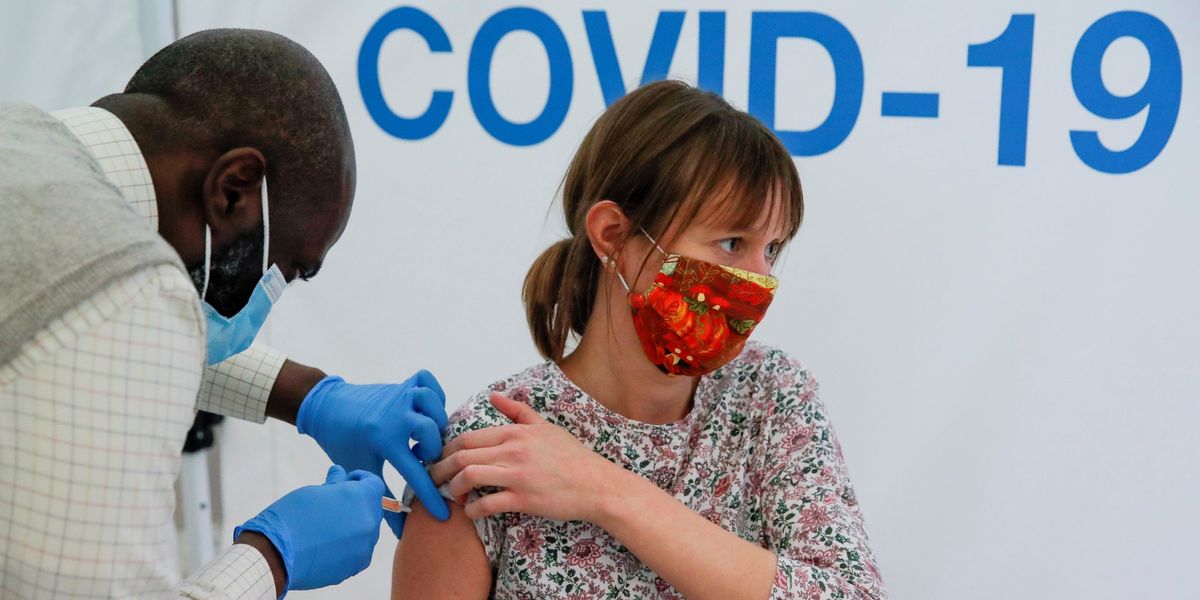
‘We worked collaboratively with our neighbouring practices to build hubs in local leisure centres for people who needed to be seen and there was a real sense of teamwork and empowerment to make decisions for the benefit of our patients and communities.’ She recalls when a Covid-19 vaccine was introduced – first given by registered nurse, May Parsons in December 2020.
‘When we had our first delivery of vaccine, we were so excited to hopefully be part of the cure,’ said Ms Baverstock.
‘We organised vaccination clinics in car parks and local libraries.
‘As devastating as the pandemic was, it also showed humanity at its best and the good in people.’
‘Nurses in general practice were unseen’
University of York research fellow and registered nurse Dr Helen Anderson was recovering from a major surgery at the start of the pandemic but remembers general practice being highlighted for its role in vaccination delivery – though the role of practice nurses was often ‘unheard and unseen’. Related Article: Average time for UK endometriosis diagnosis surpasses nine years
She said: ‘I saw secondary care being centred in the media, and later, as the Covid-19 vaccination programme was rolled out, general practice being highlighted for its role in delivering the vaccination programme.
‘Having previously worked as a general practice nurse and advanced nurse practitioner in general practice, I knew that it would be the nurses working in general practice who were predominantly organising and delivering the Covid-19 vaccination programme.
‘However, there was no recognition or acknowledgment of nurses in general practice, they were unheard and unseen.
‘I also knew from my own needs post-surgery, that it was general practice nurses who were continuing to see patients such as myself in-person.’
This inspired Dr Anderson to research the experiences of nurses in general practice during the Covid-19 pandemic.
She found that participants felt they made a ‘valuable contribution’ during the pandemic and ‘were proud of what they had achieved in difficult circumstances’ despite feeling ‘nursing work went largely unrecognised’.
Honouring the ‘courage, commitment and compassion of nurses’
Steph Lawrence, chief executive of the Queen’s Institute of Community Nursing (QICN), added that nurses working during the pandemic showed ‘remarkable resilience’.
‘The Covid-19 pandemic was an unprecedented challenge that tested our health and social care services and revealed the remarkable resilience of community nurses,’ she said.
‘Throughout this period, nurses working in primary care, adult social care, and in the community stepped up with unwavering dedication – adapting practice, supporting communities, and sharing their expertise to shape national policy. Related Article: Midlife mandate: adding menopause to NHS health checks, what this means for primary care
‘At the QICN, we supported them with practical guidance, resources, and emotional and financial support, recognising the immense toll the crisis took.
‘On the Covid Day of Reflection, we honour their courage, commitment, and compassion, and reaffirm the value of their work in every community they serve.’
NHS Charities Together, in partnership with Leeds Hospitals Charity, will be hosting a special service of reflection at St James’s Hospital in Leeds, one of the areas most greatly impacted by the pandemic.
Ellie Orton, chief executive of NHS Charities Together, said: ‘The service is an important opportunity for us all to remember those we tragically lost during the pandemic but also to recognize the extraordinary work of health and social care staff, frontline workers, researchers and volunteers who did so much to look after us all during this challenging time, often at great risk to their own lives.
‘Six years on from the start of the Covid-19 pandemic its impact is still being felt by NHS staff, patients and communities across the country, so it’s essential that we continue to support NHS Charities so that they can be there for us all when we need them most.’




Comments (0)