The Iranian girls’ school massacre shows the West’s hypocrisy about ‘saving’ Muslim women
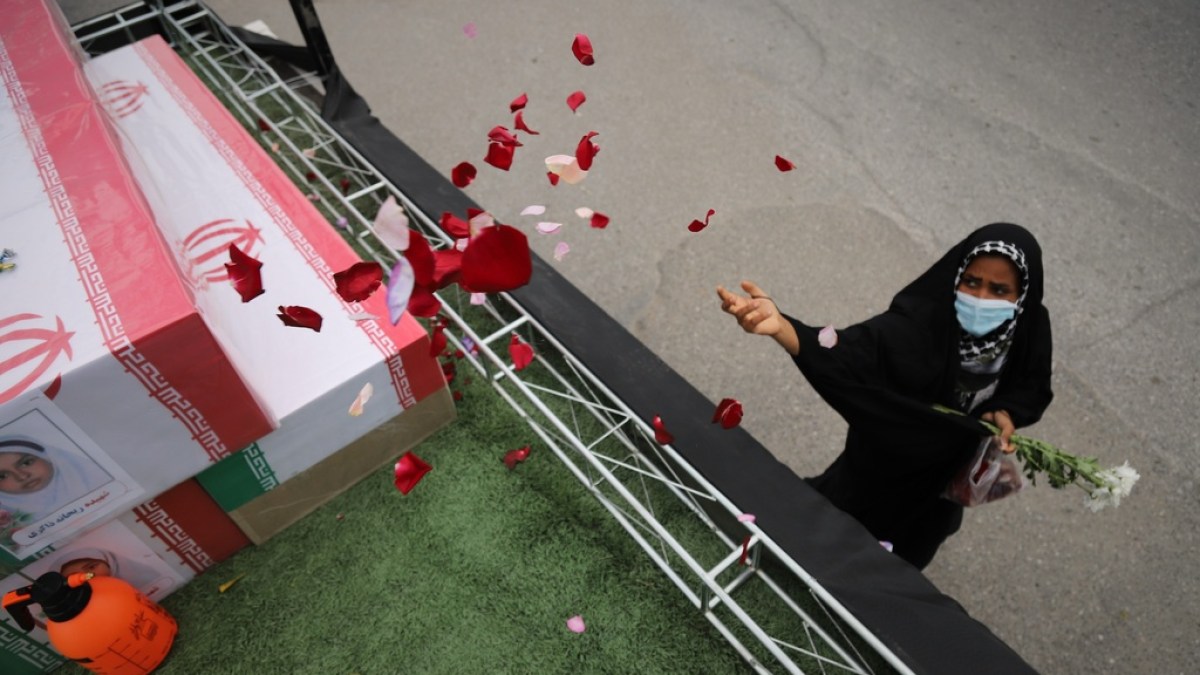
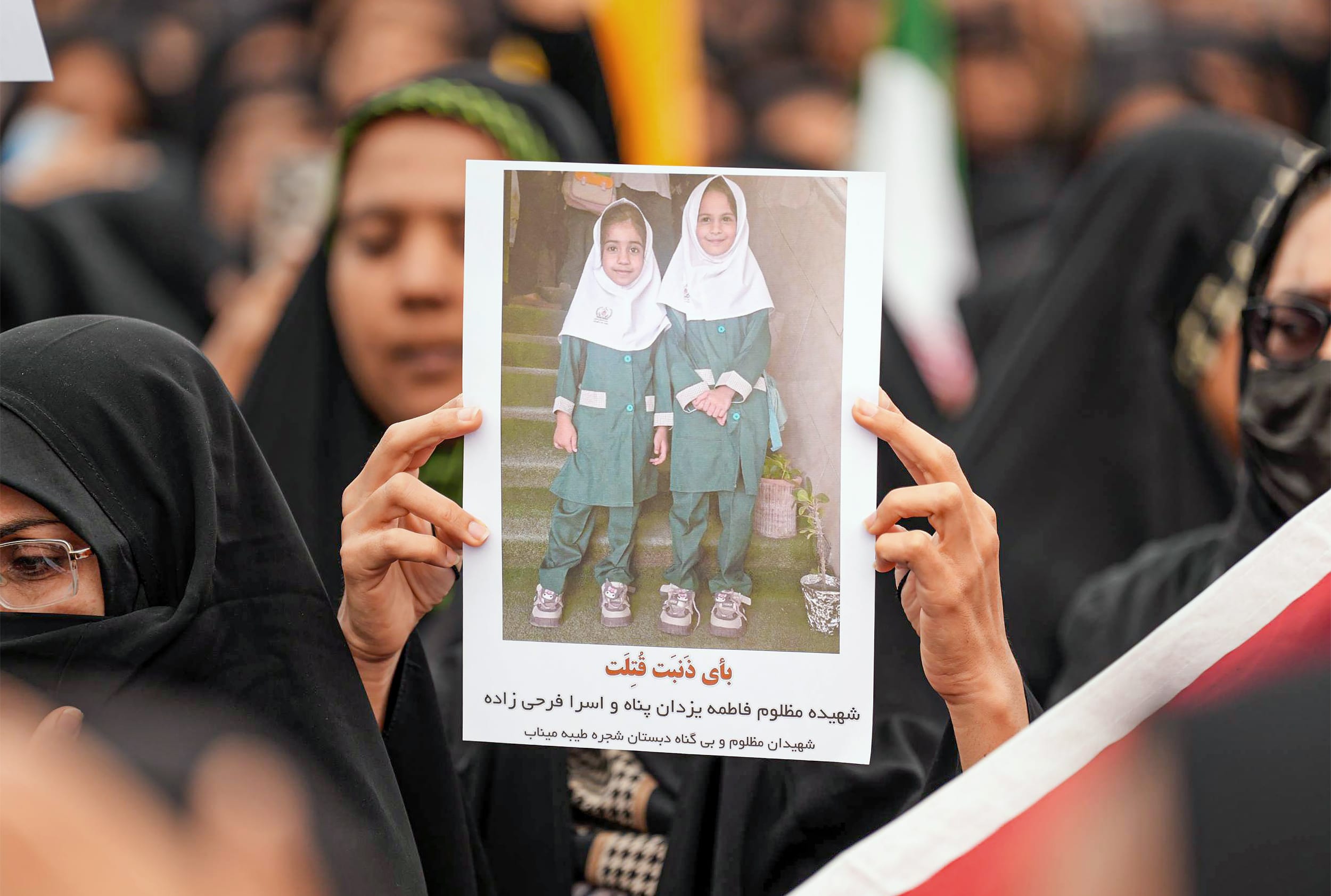
Among some of the most disturbing and gruesome initial scenes from the chaotic war the U.S. and Israel unleashed on Iran was the bombing of a girls’ elementary school on Saturday. The strike reportedly killed at least 175 and left 95 injured. Thousands of Iranians have turned out this week for funerals. Images and reports of young girls strewn across classroom floors and parents clinging to their remains horrified many around the world. As these deaths are considered, it should not be missed: This tragedy typifies the role and exploitation of gender in imperialism, both practically and in abstraction.
Narratives around the war on Iran tap into two critical gendered tropes that are essential to the imperial project: The first is the category of the “Muslim woman,” refracted through the Western gaze, who is in need of saving. The second trope implicitly genders “the West” as masculine and “the East” as feminine. (While categories such as “the East” and “the West” offer a shorthand when discussing the global order, I’ve placed them in quotation marks as they, themselves, are imagined categories that have colonial and imperial genealogies, rooted in a harmful binary.)
The stereotype of the victimized and passive Muslim woman who needs saving from Muslim men has long fueled justifications for acts of war and military interventions in the Muslim world — and Iran is no exception.
The stereotype of the victimized and passive Muslim woman who needs saving from Muslim men has long fueled justifications for acts of war and military interventions in the Muslim world — and Iran is no exception.
While the brutalities of the Iranian government are not to be underemphasized, representations of Iranian women in so-called Western media have reproduced these narratives and have helped justify the bombings. In discussing Palestinian American anthropologist Lila Abu-Lughod’s “Do Muslim Women Really Need Saving?” the historian Marya Hannun writes that “Western” media narratives depict “Muslim women’s suffering at the hands of Muslim men as a problem of culture and religion ‘over there,’ devoid of political, historical, and even geographic context.” Hannun adds, “The only solution was a singular idea of liberation, one that served the U.S. occupying forces.” (This is not to excuse the atrocities of the Iranian government but, rather, to insist that they be contextualized and situated outside of the imperial gaze.)
Furthermore, in his pioneering work, “Orientalism,” the late Edward Said argued that gender is absolutely essential to the imperial project, whereby “the West,” or the Occident, is portrayed as rational, scientific, masculine and dominating, and the Orient as irrational, “passive, seminal, feminine, even silent and supine,” and in need of domination.
Noor Noman is a writer focused on culture, race and LGBTQ issues.
© 2026 Versant Media, LLC