Envoy: Fukushima nuclear accident in essence man-made disaster
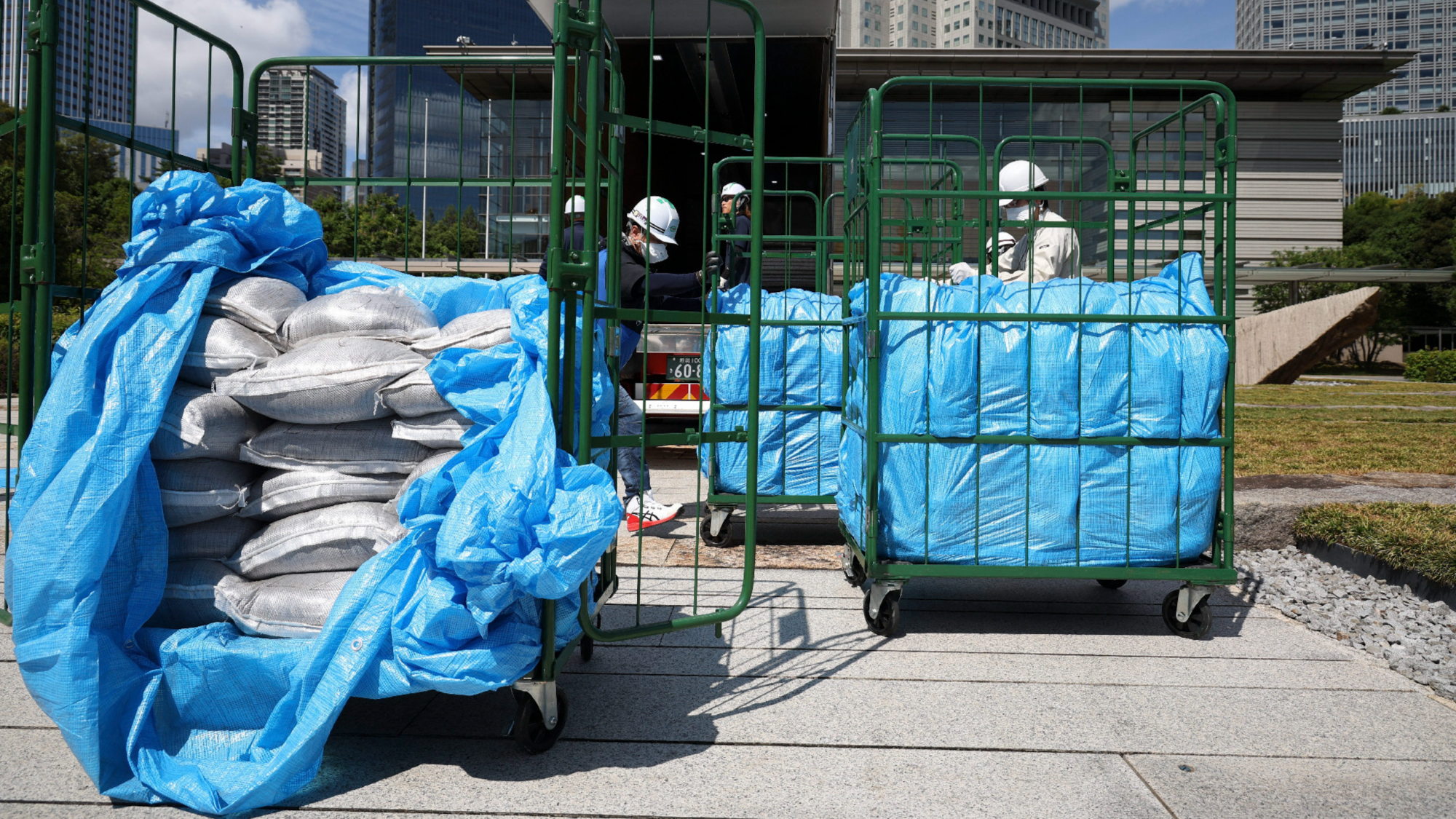
Workers unload bags of soil removed during decontamination following the Fukushima Daiichi nuclear power plant accident, at the Prime Minister's office in Tokyo on July 19, 2025. (PHOTO / AFP)VIENNA - The Fukushima nuclear accident, while triggered by a natural disaster, was in essence a man-made disaster that exposed serious shortcomings in Japan's nuclear regulatory system, said a Chinese envoy on Tuesday.Li Song, China's permanent representative to the International Atomic Energy Agency (IAEA), made the remarks in a speech on the 15th anniversary of the Fukushima nuclear accident in Japan during the March Board of Governors meeting of the IAEA this week in Vienna.Li called on the IAEA to maintain long-term review of the subsequent handling of the accident, and strictly supervise Japan in accordance with the highest global nuclear safety standards and best practices.READ MORE: Japan restarts ocean discharge of nuclear-tainted wastewater after strong quakeThe accident 15 years ago interrupted the momentum of global nuclear energy development, dealt a heavy blow to the international community's confidence in nuclear safety. It exposed serious shortcomings in Japan's nuclear regulatory system and a grave deficiency in nuclear safety culture, and has given Japan extremely profound lessons, Li said.Japan, disregarding strong concerns and opposition from the international community, especially neighboring countries, has proceeded with the discharge of Fukushima nuclear-contaminated water into the ocean, thereby transferring nuclear safety risks beyond its borders. Such actions are highly irresponsible and contrary to international moral responsibility, Li stressed.China firmly opposes Japan's discharge of Fukushima nuclear-contaminated water into the sea and supports the IAEA in establishing and continuously strengthening an independent, objective, and effective long-term international monitoring mechanism, Li said.China has actively participated in independent sampling and monitoring and inter-laboratory comparisons under the IAEA framework, so as to ensure that Japan's discharge will not cause long-term harm to the global marine environment and public health, Li added.The discharge is merely a disgraceful first step in the long-term process of handling the Fukushima nuclear accident, Li said. He pointed out that over the past 15 years, numerous cases of misconduct, fraud, and radioactive substance leaks involving nuclear power companies such as Tokyo Electric Power Company have been exposed.READ MORE: Japan's Fukushima nuclear-contaminated wastewater discharge tops 130,000 tonsJapan must have the courage to face history squarely, effectively strengthen nuclear safety regulation at the national level, eliminate potential safety risks, and consciously accept international supervision. "This would be the appropriate course of action, rather than seeking to obscure problems or downplay their seriousness," Li said.Li said China supports the IAEA in actively fulfilling its responsibilities, and assisting and supervising Japan in addressing the complex challenges of the Fukushima nuclear power plant decommissioning and high-level radioactive waste disposal, in accordance with the highest global nuclear safety standards, strictest requirements, and best practices of Member States.Moreover, China is willing to leverage its technological and managerial advantages to actively participate in this process, Li added.