Bitcoin’s Wild Ride Makes This Options Strategy Strictly For Profit- and Thrill-Seekers
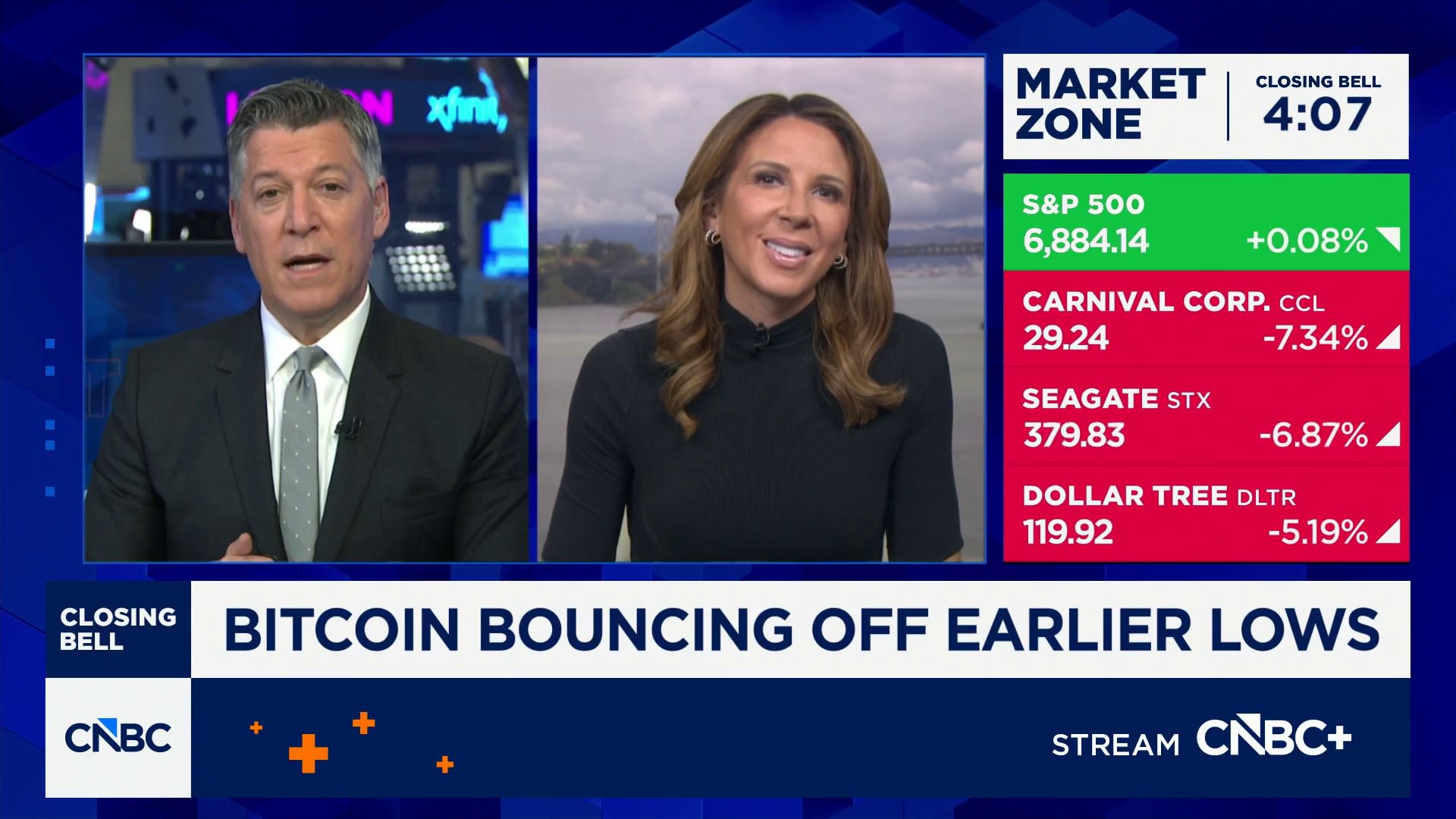
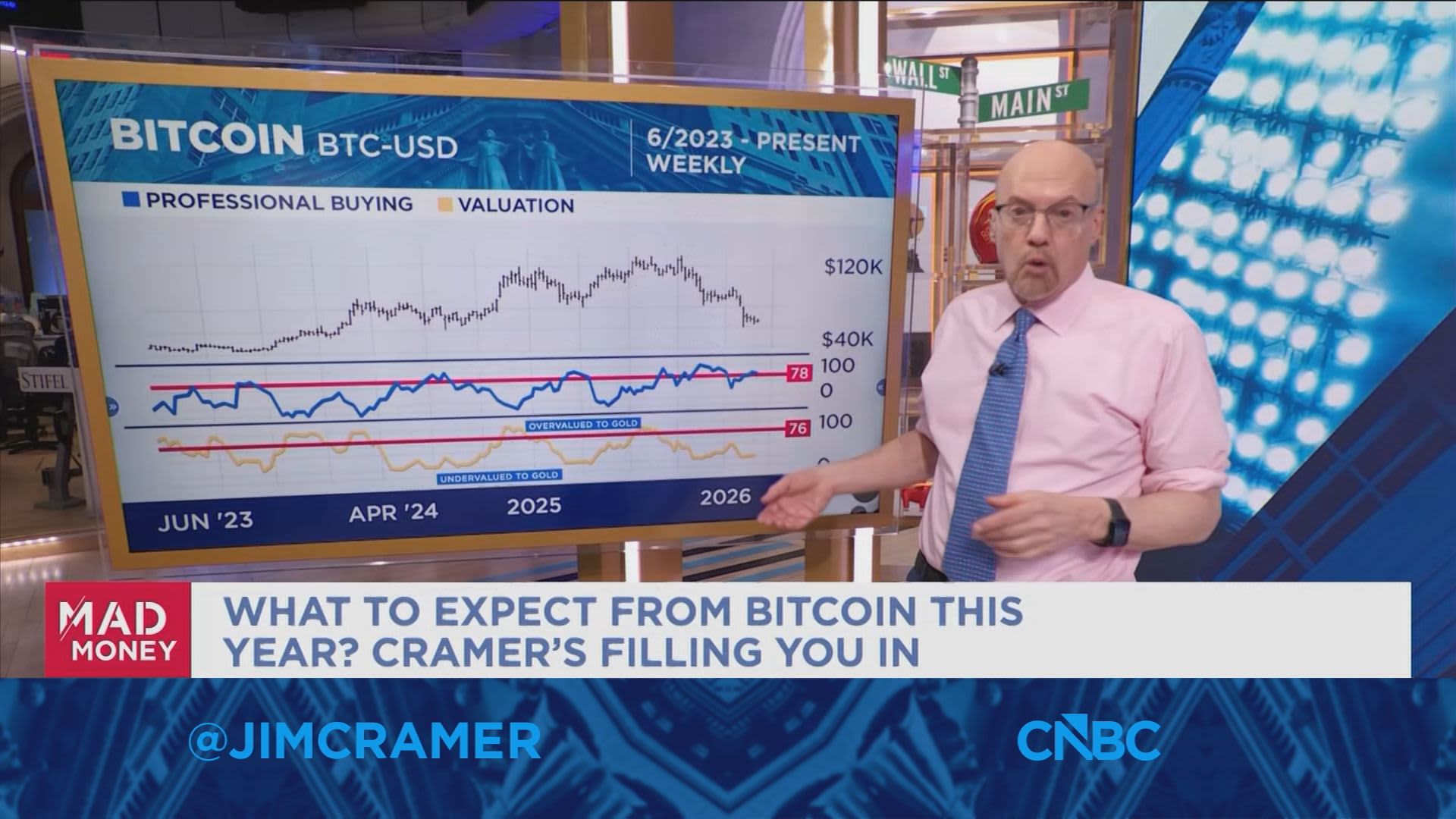
Bitcoins by Olga Ilina via Shutterstock I write regularly here about options collars. My emphasis in every such article so far has been what I emphasize in nearly all my investing work: risk management, preserve it first, then grow it as much as you can. This time around, the collar I’ll show you is, shall we say, a bit on the wild side. Buckle up.First, I’ll show you the collar setup, then I’ll explain the bull and bear narratives around it that are likely to influence how this one turns out. I’m dealing with Bitcoin (BTCUSD), specifically the Ishares Bitcoin Trust ETF (IBIT), the largest spot Bitcoin exchange-traded fund (ETF) around. The first thing to notice is the “IV Rank” in the picture below, which is around 37%. That means that IBIT is actually in the lowest 37% of its 12-month volatility range. As I see it, a volatile asset class like this is always a potential collar strategy, since the covered call option part of the collar can more easily pay for whatever put protection I deploy. The collar is struck at $60 on the call side and $30 on the put side. As I highlighted below, the cost is quite low to go out more than six months. That’s because, in this case, as opposed to most of my collar presentations, I am accepting a lot more downside risk — 25% from current levels. www.barchart.com In exchange for that, I’m getting more than 50% upside, and the options cost is quite low, only about 2.4%. This is about two or three times less than many examples I’ve shown in the past. But this is the wild side! www.barchart.com IBIT’s technical chart is ideal for a collar. Or as I refer to it, a “dog collar.” I use that term to describe a stock or ETF that is way down in price, showing at least faint signs of a temporary bottom, and has at least average volatility. IBIT currently checks all three of those boxes. It bottomed in this area back in 2024 and stayed there for months. That makes for a strong support level in that $32 to $35 area, from which it is bouncing as I write this on Monday morning.I could strike the put at $35 or just below, but that protection is more expensive than striking it way down at $30, as shown above. That is cheap “insurance” against a further steep decline in IBIT, but I still limit my loss to 25%. Bitcoin is down 50% since October, to put that in perspective. That allows for lots of upside, all the way to $60, which would still be $12 short of that 2025 high. The outlook for Bitcoin and IBIT remains a contest between significant institutional outflows and a resilient long-term accumulation narrative. The bear case is fueled by a historic contraction in exchange-traded fund flows, especially to the biggest one. Since late January, U.S. spot Bitcoin ETFs have logged roughly $4.5 billion in net outflows, trimming nearly 10 billion dollars from their peak assets. This selloff has reinforced Bitcoin's recent correlation with high-beta tech stocks rather than its role as “digital gold.” Conversely, the bull case points to a recent reversal in this trend, with over $1 billion in new capital entering ETFs in late February. IBIT continues to dominate the space, holding approximately 60% of institutional Bitcoin. Bulls argue that supply constraints and growing institutional adoption create a structural floor. If Bitcoin can decisively break through the $70,000 resistance, it may signal a rally toward new highs.But even in my wildest moments as an investor, I still insist on knowing my worst-case scenario in advance. Even if I were a much more aggressive investor, I would still want to have a “net” to catch my assets in sharp downturns. In this case, 25% for a collar on a volatile asset seems to be the right spot.Rob Isbitts created the ROAR Score, based on his 40+ years of technical analysis experience. ROAR helps DIY investors manage risk and create their own portfolios. For Rob's written research, check out ETFYourself.com. On the date of publication, Rob Isbitts did not have (either directly or indirectly) positions in any of the securities mentioned in this article. All information and data in this article is solely for informational purposes. For more information please view the Barchart Disclosure Policy here.