Cabinet to consider range of options to reduce traffic gridlock
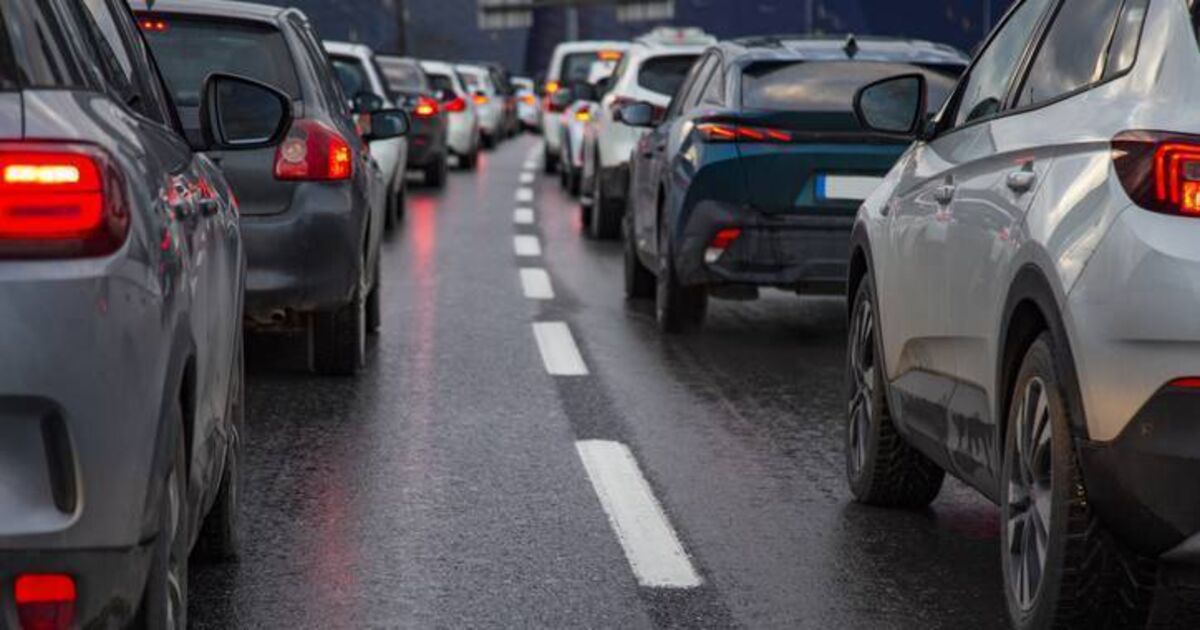
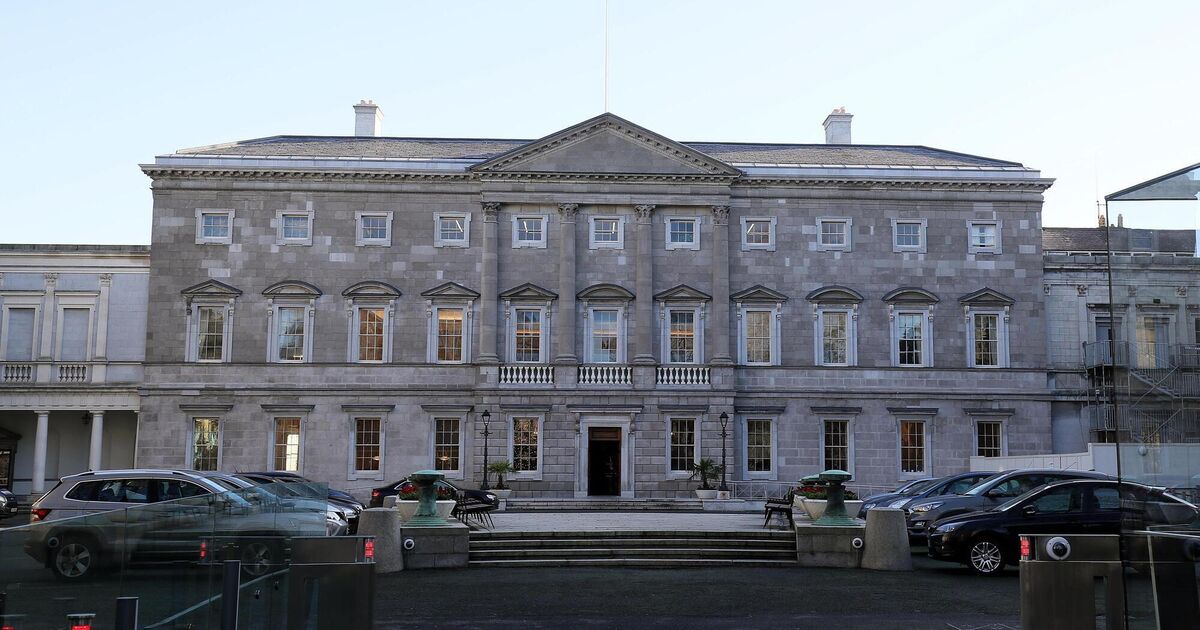
Cabinet will on Tuesday consider a range of options on how to reduce traffic gridlock in parts of the country, including a review of taxation and low-emissions zones.A new transport options paper, Moving Together, is expected to approved by ministers on Tuesday. The paper includes options such as congestion charging or low emission zones, where higher-emission vehicles are not permitted.It is understood the document says legislation would be required to introduce either congestion charging or low emissions zones.While the paper includes the suggestion of congestion charges, government sources have stressed that there are no “solid commitments” within the strategy, with all possible actions to be kept under review.Transport minister Darragh O’Brien has previously ruled out the introduction of congestion charges, saying he wants to improve traffic flows through improvements to public transport.It is understood that one recommendation to Government is that it develop a “future-proofed” tax approach to transport, which would be based around the “polluter pays” principle.This would lead to a more equitable tax and road charging policy, which would help offset any loss in tax revenue due to the switch to electric vehicles.Workplace parking reduction Other measures floated by the paper include the introduction of a workplace parking levy, which would stop employers from offering free parking spaces. Such a charge had previously been proposed as part of Budget 2009, with provisions allowing it to be introduced included in that year’s finance bill.The proposal would have seen a levy introduced in Cork, Dublin, Galway, Limerick, and Waterford. However, the law was never commenced, despite calls from the Climate Change Advisory Council for its implementation.Another suggestion says that workplace parking could be disincentivised.Other recommendations set out in the report include calls for local authorities to develop so called “demand strategies” to reduce the level of traffic coming into urban centres.These strategies could be folded into local transport plans or the wider council development plan, with measures suggested including reductions in car parking spaces or removal of free parking.Large vehicles could be targeted It is understood, when the strategy was being developed, consideration was given to the introduction of additional taxation on larger vehicles, due to their increased emissions, requirement for more space on roads, and the more severe injuries caused if a pedestrian or cyclist is hit. This would be done through the VRT system, according to version published for public consultation in 2024.The document itself had previously been published in 2024 as a draft by then-transport minister Eamon Ryan, with many of the same proposals within.The move to try and reduce congestion in towns and cities across the country comes as Dublin was found to be the third most congested city in the world by Dutch Satnav company TomTom.In 2024, then-transport minister Eamon Ryan brought the draft version of the document to the Cabinet table which said, at the time, that local authorities would have the discretion and powers to introduce congestion fees if needed. It recommended that a review of existing legislation be undertaken to establish whether amendments or new legislation would be required for creating congestion charging or low emissions zones.