Joe Humphreys: A judge says Enoch Burke has ‘free will’. But is that true of any of us?
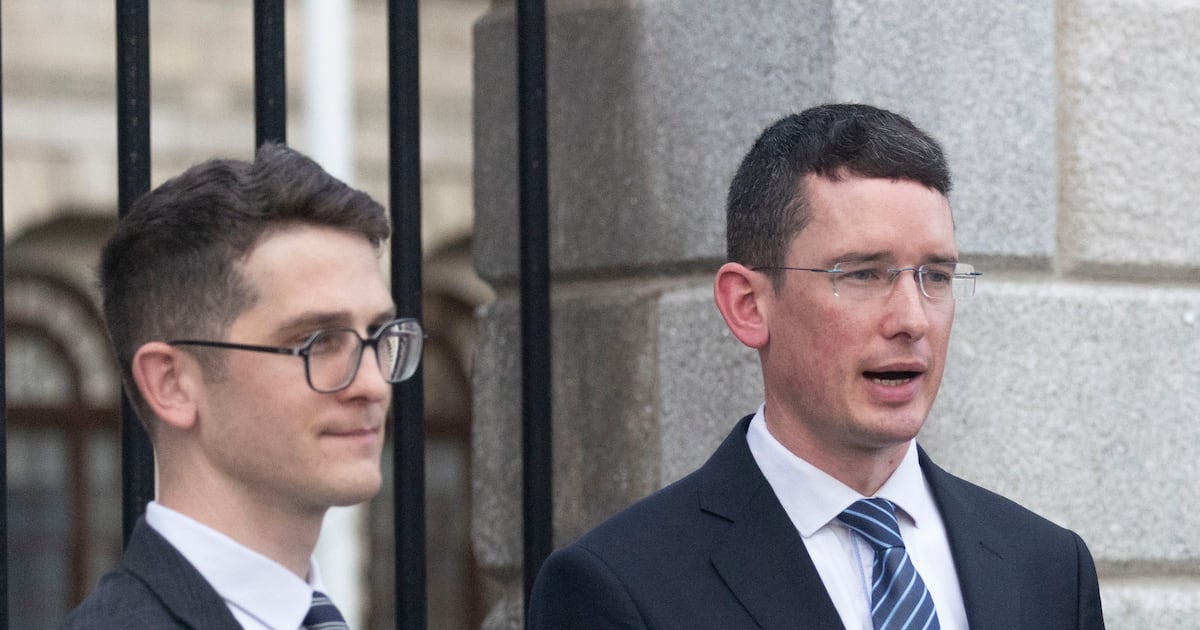
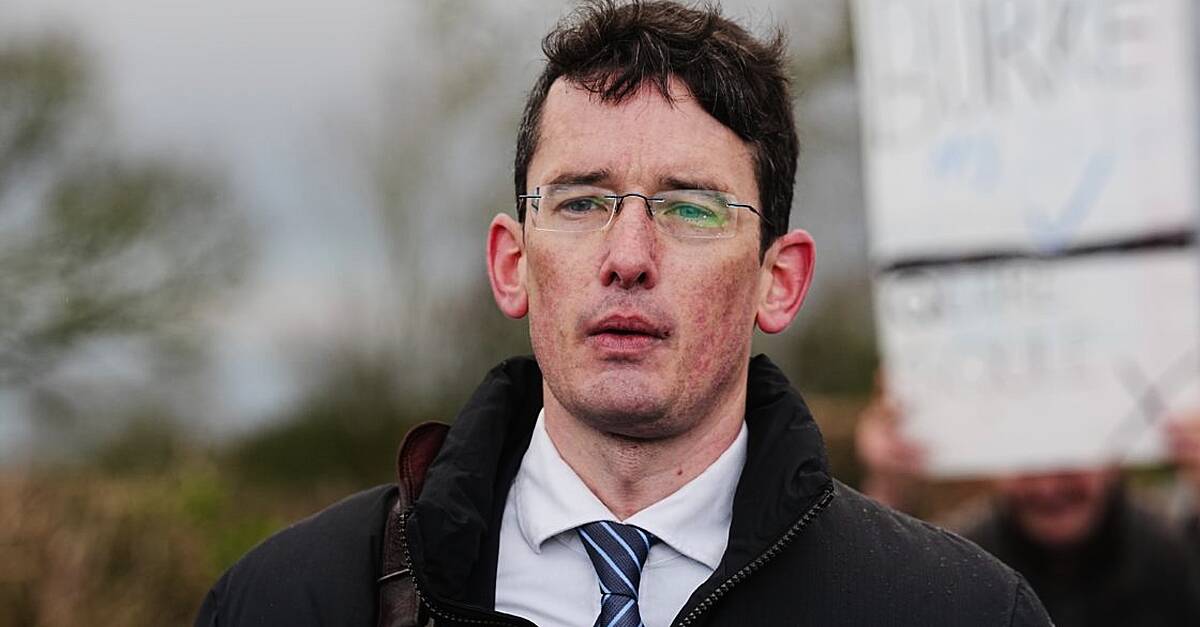
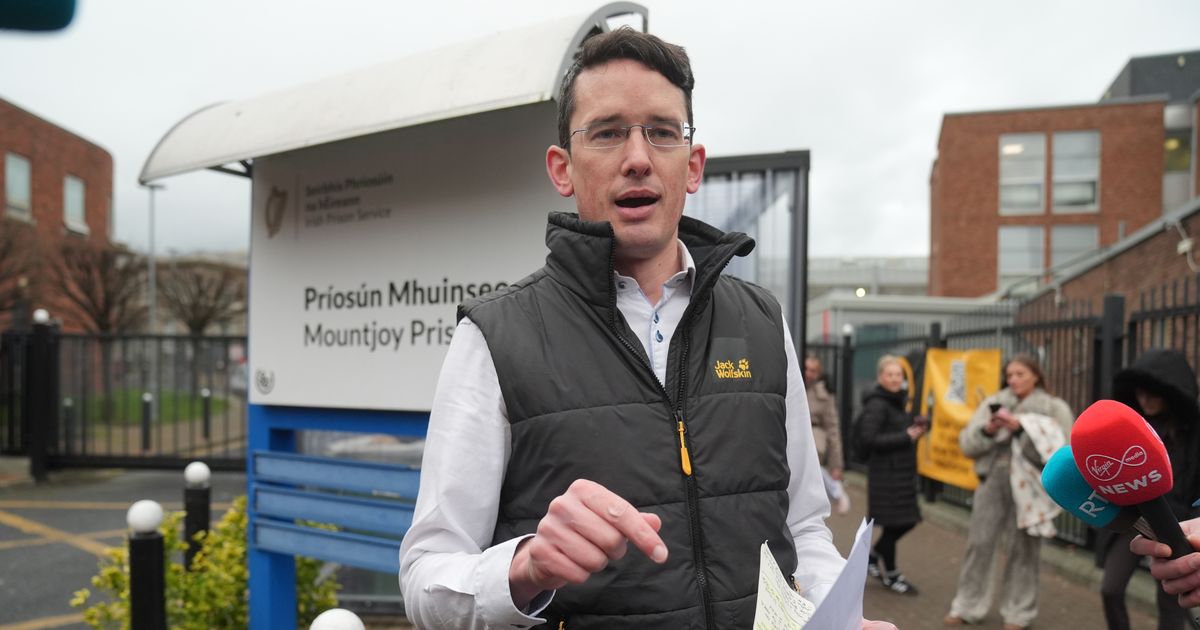
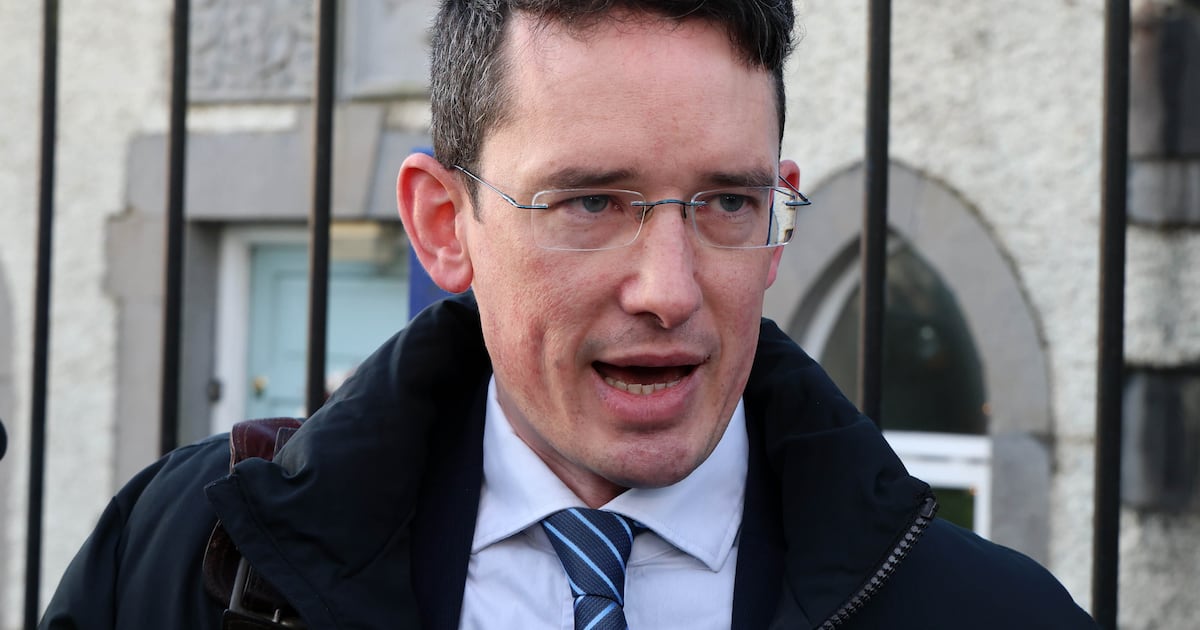
The Enoch Burke case has raised important legal questions about the limits of civil disobedience and how to handle contempt of court. But it also poses a deeply philosophical question – one that has puzzled great thinkers for more than 2,000 years.In a ruling in January, ordering Burke back to prison for continuing to trespass on the school from which he has been dismissed, Judge Brian Cregan said: “Mr Burke speaks as though he has no free will and that it was somehow predetermined that he would be turning up at the school the following day [after his release from custody]. But Mr Burke always had a choice.”Ah, but did he really? To what extent does Burke, or any of us, have free will?This question is one of the oldest in philosophy. For centuries, it troubled Christian theologians who tried to square human autonomy with the idea that everything is part of God’s plan. In our more secular age, a new threat to free will emerged through science. The more we have learned from biology and psychology, the more it seems we are slaves to a combination of our genes and environmental factors.READ MORETrump, the self-declared president of peace, goes to war seeking regime changeUS military operations in Iran ‘moving along rapidly’ says Trump, as death tolls rise in Middle EastChartered flights now ‘routine’ says Minister as 63 South Africans deportedHow Ireland managed to poach one of the hottest prospects in South African rugbyIn Burke’s case, one could argue that his stance is inextricably linked to his upbringing in a zealously religious family. However, the bar for disproving free will is somewhat higher than proclaiming yourself a chip off the old block (not that Burke would necessarily describe himself in these terms). In philosophy and neuroscience, the key issue is whether you can identify a “self” within the mind that is somehow in charge of your thinking.If all your thoughts are simply biological impulses, either determined by the way your brain has been wired or preprogrammed by your upbringing, then you literally have no mind of your own. “You” are just a vessel carrying around a complex organ weighing about 3 pounds in your skull.Author and essayist Michael Pollan has spent the last five years exploring this complicated territory for a new book, A World Appears: A Journey Into Consciousness (Allen Lane). It’s a wry and enjoyable romp through cutting-edge science and brain-altering experiences from poetry to psychedelics. Pollan has written bestselling books on psychology and the American diet – he coined the phrase “Eat food. Not too much. Mostly plants”, which has since become a famous healthy-eating slogan. But he found summarising the nature of consciousness more difficult. “It’s not easy to express. I mean, that’s why we have poets,” he tells me.The neuropsychologist Mark Solms defines consciousness as “felt uncertainty” and Pollan warms to that definition. Speaking by Zoom from the US, he says “one of the things I’m trying to do is reclaim the nuance and complexity of conscious experience.”While Pollan avoids getting into the weeds of free-will debates, the research he investigates circles around the issue. “I tend to go with the intuitive sense that we have some sovereignty ... And that space of freedom is our consciousness. It’s this private space where we can decide what we want to think about. Yet, increasingly, we’re thinking the thoughts of algorithms, or other people, and in the case of the US, we’re devoting an incredible amount of head space to our mad king [Donald Trump].” And that’s before artificial intelligence gets its claws into our brains.One of the best-known philosophers of consciousness and free will is David Chalmers, whose “extended mind theory” posits the idea that the mind does not exclusively reside in the body but incorporates technology upon which we depend for memory and other cognitive functions. Increasingly, we are using AI to make decisions on our behalf – on everything from what to eat to whom to have a relationship with. It appears the more we depend on AI, the more our free will – in a practical sense – disappears.“We’re outsourcing our attention,” Pollan says. “And increasingly people are forming attachments with machines. I think that is momentous and very dangerous.”Pollan is doubtful, however, that AI will displace human consciousness. “I think the whole transhumanism idea rests on this faulty metaphor, which is that the brain is a computer and that consciousness is a kind of software – and so eventually you could upload your consciousness into a machine. I subscribe to a much more biological understanding of consciousness ... that our consciousness depends on, or begins with, feelings, not thoughts.“It’s very easy to simulate thoughts – computers can already do that really well. But a simulated feeling is not a real feeling; it’s a simulation. A simulation of a rainstorm is not going to get you wet. Your brain and mine are not interchangeable the way our laptops probably are.”Technology may not fully colonise our minds but Pollan believes “pollution of our consciousness” is a real risk. In particular, “our consciousness has been politicised to a much greater extent than it has been in the past” and there is a “need for consciousness hygiene”.[ How AI and social media contribute to ‘brain rot’Opens in new window ]His advice includes “being in nature”, embracing boredom, “taking fasts from social media” and, above all, regular meditating – he usually does 20 minutes a day.[ Release your stuff: 12 ways to meditate without actually meditatingOpens in new window ]Here’s a lesson for anyone who feels their thoughts are being polluted by their smartphone, a mad king or even an overbearing parent. Free your mind: Start by closing your eyes and taking a few deep breaths.