Meghan and Harry's 'crossroads' - 'fiery rows, dimming spark and indifference'
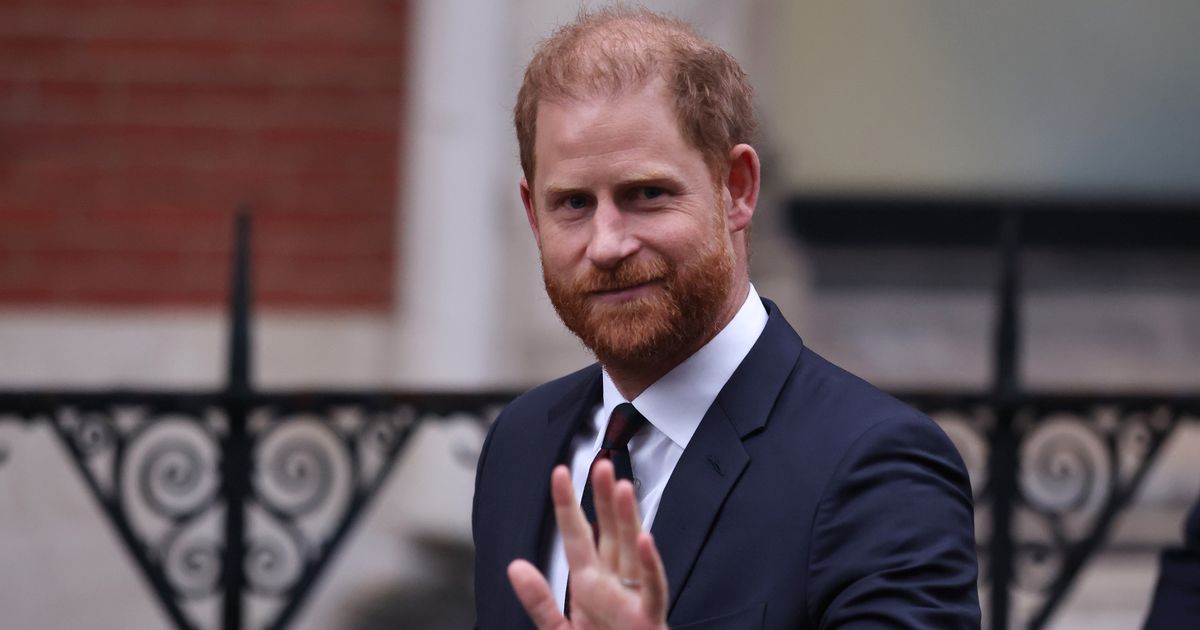
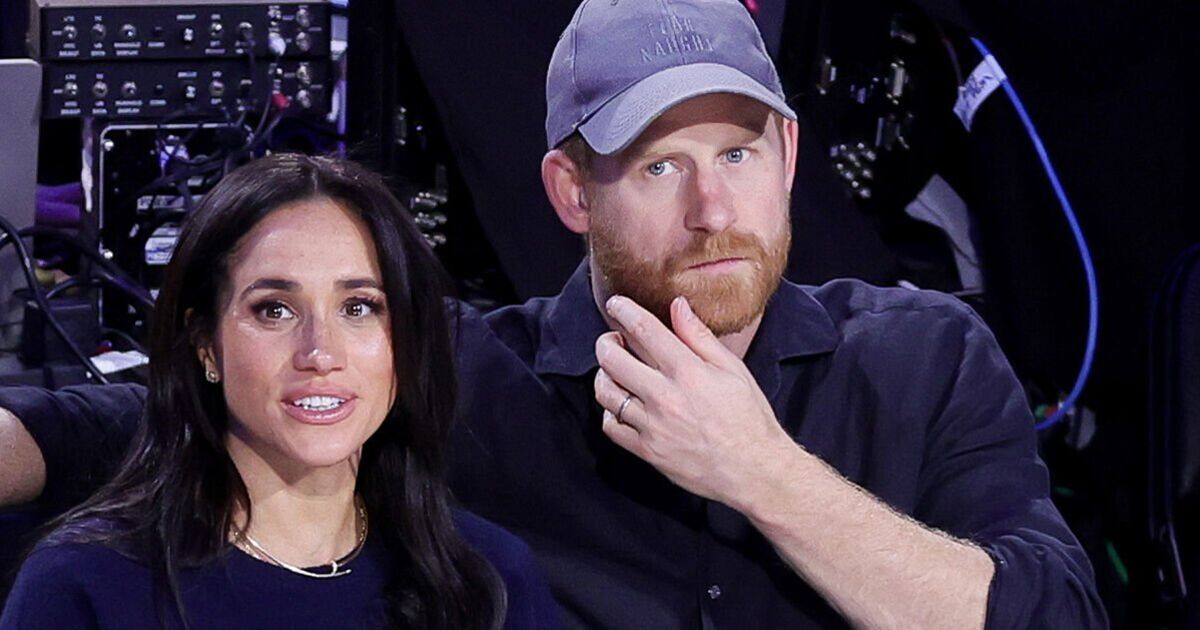
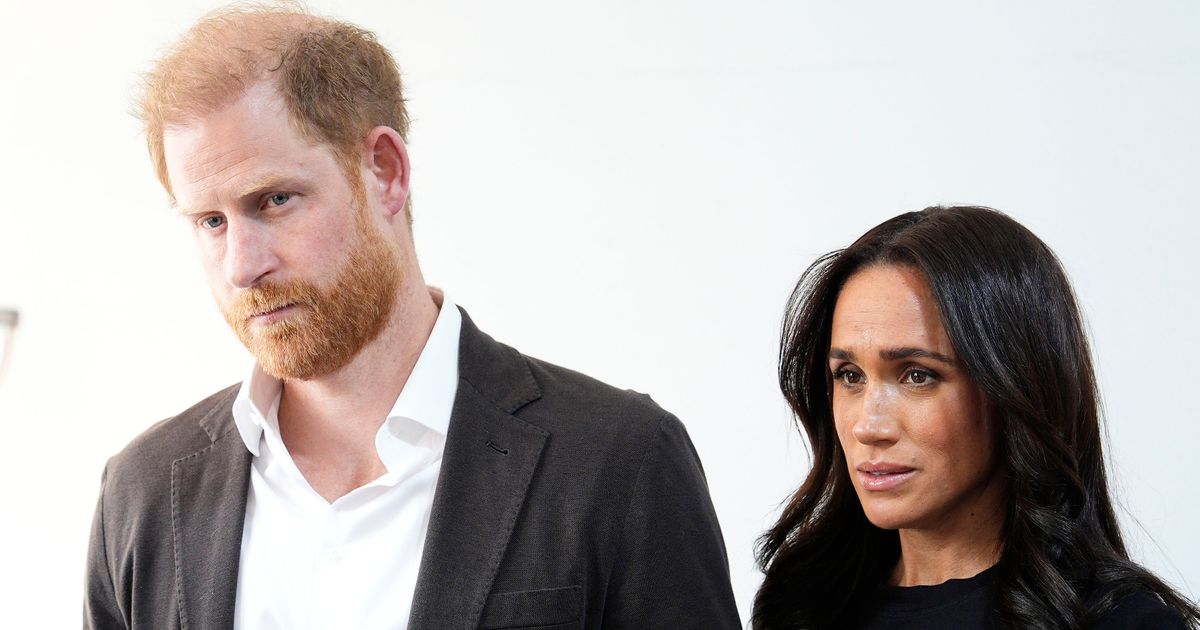
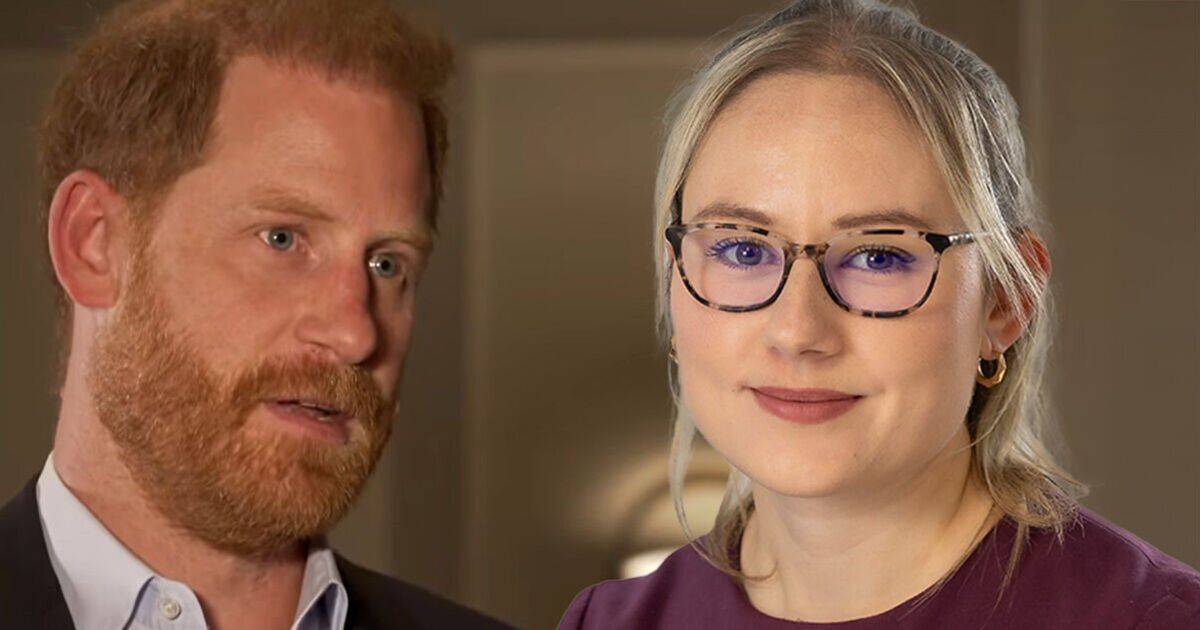
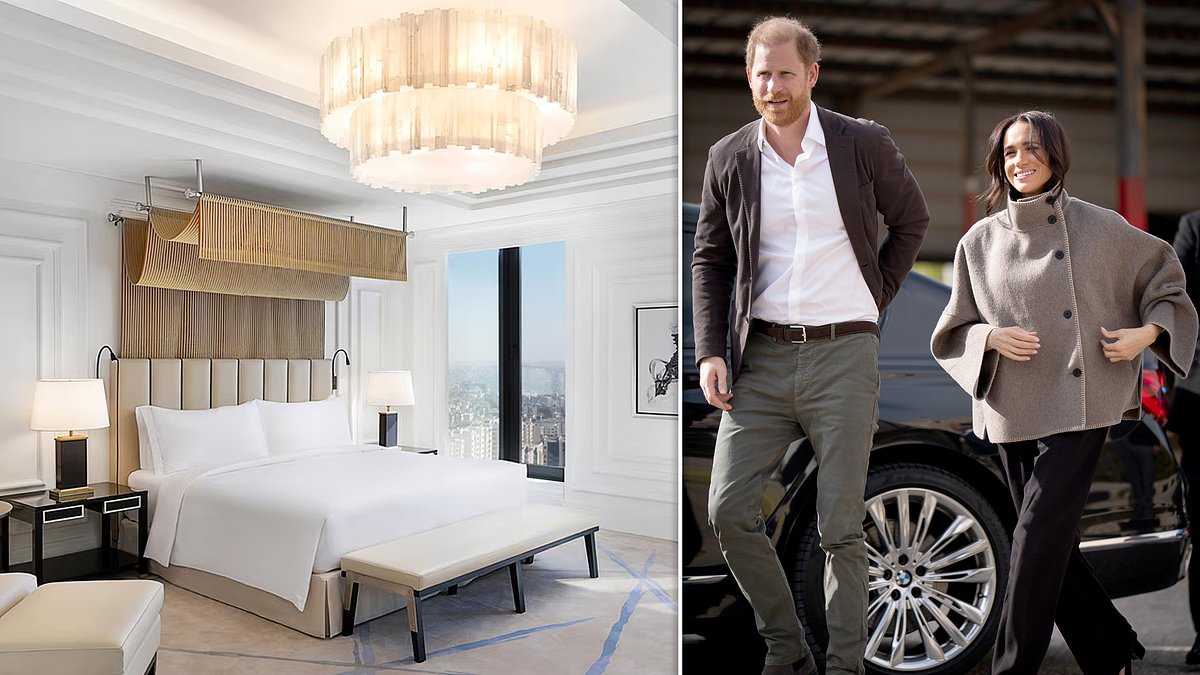
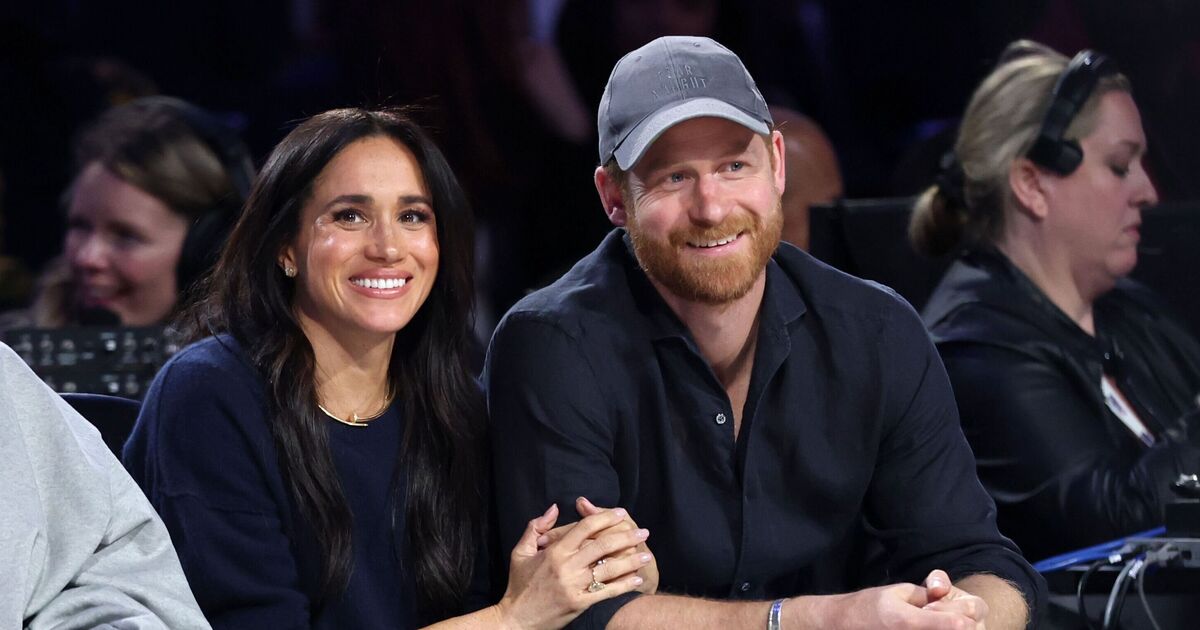
Prince Harry and Meghan's 'quasi-royal' tours usually steal headlines, but this week their surprise two-day humanitarian trip to Jordan was a surprisingly quiet one.While there, Harry and Meghan met children at a refugee camp and hospital, took part in a football shoot-out, and joined a delegation from the World Health Organisation for a visit to the National Centre for Rehabilitation of Addicts. Coverage, however, has been notably scaled back. Their previous tours to Columbia, Nigeria and Jamaica were poured over in minute details. And given the backdrop of Andrew Mountbatten Windsor's arrest on suspicion of misconduct in public office, the sight of a formerly royal couple focused on philanthropy would usually be a welcome tonic.However, interest in the Sussexes seems to be waning with population polls showing a steady decline the UK. In the latest polls from YouGov.com, only 19 percent of people had a positive view of Meghan, her lowest score yet. Harry came in at 31 percent while his brother Williams remains the most popular at 77 percent.Ensure our latest headlines always appear at the top of your Google Search by making us a Preferred Source. Click here to activate or add us as your Preferred Source in your Google search settings.Financially, Meghan's Netflix series and As Ever range of wines and jams have made them millions, keeping them firmly in the green. But popularity drives brands, and PR guru Mayah Riaz believes they have reached a crucial turning point in the road."Harry and Meghan no longer have the institutional weight of the monarchy behind them. Without that framework, they are competing in a very crowded celebrity marketplace. In today's world, star power alone is not enough. You need a clear lane and a compelling reason for people to keep watching," she tells The Mirror."They are still globally recognised, and that is a powerful asset. But relevance today is not about titles. It is about consistency, credibility and connection. In terms of the Andrew scandal creating space for them, I think that was always a risky assumption. Controversy within the royal family does not automatically translate into opportunity for those outside it. If anything, what we see is that the public often rallies around stability in turbulent moments."Certainly there seems to be some confusion as to what Harry and Meghan's roles are now. Having quit royal life, the couple had said they wanted to focus on their philanthropic ventures. But since then, Meghan has attempted to reestablish herself as a lifestyle leader, appearing in her own Netflix series titled With Love, Meghan, and launching her lifestyle brand in early 2026 selling items such as raspberry spread, honey, dried flower sprinkles, herbal teas, and shortbread cookies.As Ever has drawn comparison to other celebrity wellness brands, like Gwyneth Paltrow's Goop - launched in 2008 and now valued at a staggering $250m (£185m). But there are some major differences holding Meghan back, Mayah says."When Harry and Meghan stepped away, the narrative was service, impact and freedom from royal constraint. If the public now sees curated kitchens and lifestyle branding front and centre, it can feel like a pivot rather than an evolution," she says. "Whether that is fair or not, audiences are quick to question authenticity as they ask whether what they are seeing is about impact or influence? If they linger on that question then their interest naturally softens."Another source of contention is the issue of privacy. Meghan was recently branded a 'hypocrite' on social media after releasing a Valentine's Day photo showing the side of her daughter's face - seemingly at odds with Harry's demands for increased privacy for their family. Critics have also noticed that images of the children - albeit blurred - are appearing more frequently on Meghan's Instagram page, often to promote her brand."I would think they have had some pretty fiery rows about the topic, because it’s not at all how Harry wanted it to be," royal expert and author Ingrid Seward told the Mirror. "They have completely ignored the fact that they said they were leaving the royal family because they wanted a more private life, and they have created anything but that for themselves. It appears they left the family because they wanted a public life and to earn money."Of course, Harry and Meghan have been divisive figures for some time. While there was a great appetite for them when they first moved to America, their decision to air all their grievances in the late Queen's very final years has been widely condemned. So too have their subsequent attempts to 'cash in' on their royal connections all the while publicly criticising the institution. Many have questioned what - with all their royal dirty laundry now seemingly aired - the couple have left to say.Mayah explained: "Sharing their experience initially generated empathy and huge attention. However, when the narrative circles back to grievance too often, it can start to feel heavy. What audiences tend to gravitate towards is resilience and reinvention. If people begin to see you as defined by conflict, it does make you feel less relatable, particularly during a time when many are dealing with their own pressures."Interest waning in Jordan may simply just reflect fatigue. The public has a short attention span, and the couple’s story has been told from many angles. To reignite that spark, they need a chapter that feels fresh and forward looking. This should be about less commentary on what went wrong, more clarity on what they are building next."Ultimately, they are at a crossroads. They can either lean fully into being global philanthropists with measurable impact, or fully embrace lifestyle entrepreneurship and own it unapologetically. Sitting between the two is what I think creates the confusion. And in the current media climate, confusion is the quickest route to indifference."