‘My partner lives in terror of Covid and it has shrunk our lives’
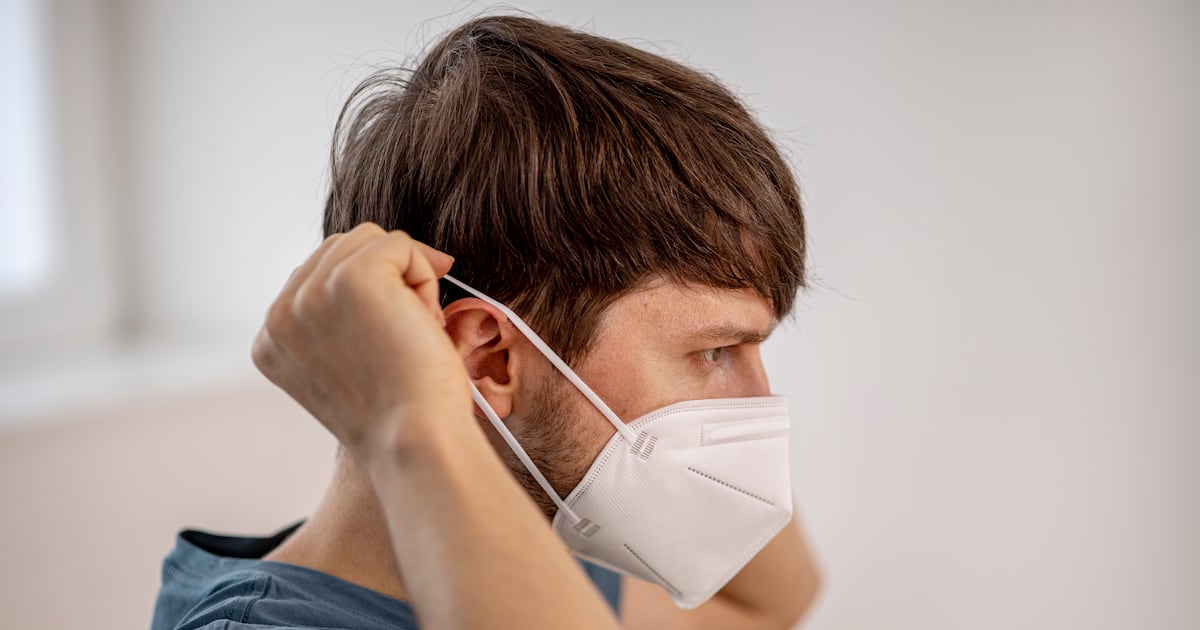
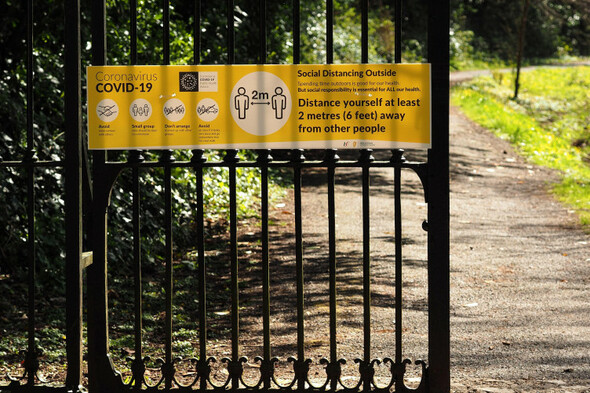
Dear Roe,My partner has anxiety, and what we both consider to be complex post-traumatic stress disorder, although undiagnosed. She also has ADHD. She is prone to taking safety concerns to extremes, and since Covid, avoidance has become the axis our lives revolve around. I appreciate there are real concerns about Covid still, and long Covid is a genuine risk. However, the conditions she has placed on our lives over the last five years have taken a significant toll on me and our relationship, to the point that I don’t think I love her any more. I get all the latest Covid vaccines, I have to wear an N-95 mask all day in the office, or any time I am indoors anywhere. This situation has affected my friendships and it’s meant we no longer get to do Christmas with my family (she does not have a relationship with her family). I also turned down a good job promotion because it would have required me being unmasked indoors with colleagues. We also had to cancel our wedding because it was going to be indoors, costing me a few thousand euro. We haven’t eaten in a restaurant in years. If I choose to be unmasked socially, I have to isolate from her for seven days and test negative twice before we can share space again. This means I have to weigh up any social invitation against the cost of living in the basement for a week. We have separate bedrooms, bathrooms and living areas and it now feels like we are just housemates. We are never intimate. I tried to be compliant in the early years to ease her anxiety, but it is never enough. When I’ve expressed frustration, she says that someone who loves her would never put her health at risk. She spends time in online Covid-conscious communities which also take things to extremes, so she gets validation there. But I feel like my mental health has been put at risk, and I have sacrificed so much in the past five years. I love socialising with friends and family, and in losing this, I have become resentful, irritable and withdrawn. Before Covid our relationship was great and we were planning a life together, but I don’t feel like I could introduce children into this situation even though I dearly want kids and time is running out. I don’t know if her mental health can endure me breaking up with her when I’m the only person in her life she has been able to rely on. She’s not a bad person but this situation is untenable and I just want to be at peace. I don’t know what to do.You cannot stay in this relationship in its current state. It is not working for you, it is actively harming your mental health and it is shrinking your future. I know you care deeply for this person, but caring for someone does nor mean you have to sacrifice your life, your mental health, your dreams, your other relationships and the possibility of children for them.I am not a doctor, I don’t know your partner’s health situation and I am very aware that for people who are immunocompromised, Covid does still pose real threats. Long Covid is real, and many people still carry trauma from the pandemic, so continued wariness is not inherently irrational. But nothing in your letter suggests that your partner has any specific health vulnerabilities, or that her regimen is under the guidance of any medical doctor. You describe undiagnosed trauma and anxiety, without mention of any treatment or mental health support. Together, this all strongly suggests fear – not expert guidance – is driving the system you both live under. That matters, because while your partner is organising both your lives around protecting her physical health, she does not appear to be addressing her mental health or the impact on yours. And that impact is severe.READ MOREI ended my situationship six months ago but I’m still not over him. How do I move on?Where can my wife and I access porn that is both legal and erotic?I think I’m in love with my ‘situationship’ but he doesn’t feel the same‘My brother-in-law wants to move in with us but I don’t think my marriage will survive it’[ Covid ruined my life plans and now I feel completely disconnected from my husbandOpens in new window ]People in your position often get stuck because their partner’s fear feels morally charged. It is framed around health, safety, disability justice, care, responsibility, and those are all real and important values. So disagreeing with the extent of her precautions can feel, to you, like you are being careless, selfish or even cruel. But what you are actually describing is not simply “being cautious about Covid”. It is a level of risk-avoidance that has overtaken both of your lives to the point that core human needs – intimacy, shared space, spontaneity, community, family connection, partnership – have been removed.There is a difference between precautions that allow life to continue, and precautions that replace life.Your partner is allowed to choose a very risk-averse life. But you are equally allowed to choose a life that includes social contact, family rituals, shared bedrooms, touch, and the possibility of children. Neither of you is morally wrong. But you are incompatible at the level of lived reality.This is especially concerning because the system you describe has no off-ramp. You complied early to reduce anxiety, but accommodation has not reduced the fear – it has escalated and solidified it. The baseline for “safe enough” keeps moving. That is not something you can solve by loving harder or complying better, because the driver is internal fear, not external risk alone.You are also carrying a heavy moral burden that is not actually yours: the belief that leaving might destroy her because you are her only secure attachment. That is an understandable fear, but one adult cannot be the sole stabilising structure for another adult indefinitely. If her wellbeing depends entirely on you staying, that is not proof you must remain – it is evidence she needs broader support than one relationship can provide.You can care deeply about someone and still recognise that the relationship, as it exists now, cannot meet your core needs. The life you want and the life your partner feels safe living are fundamentally different. You want social connection, family closeness, shared space, intimacy and the possibility of children. She needs a level of risk control that removes most of those things. That is not a small preference gap; it is a structural incompatibility. Recognising that does not make you disloyal. It means you are being honest about what a shared life actually requires.If you want to offer one last chance, it needs to be explicit and shared. Tell her clearly the extent of the loss you’re living with – isolation, lack of intimacy and the future you wanted. Ask whether she is willing to seek professional input: medical guidance on realistic risk, therapy for anxiety/trauma, and couples counselling to explore whether a mutually liveable middle ground exists. The key variable is willingness. If she cannot engage, nothing will change, because the current system makes sense to her.If you decide you need to leave, you can do so with care. That might look like giving a clear and respectful timeline for moving out, and helping her find other supports – friends, professionals, communities that are not contingent on you as her sole anchor. If you genuinely have the emotional capacity, you could offer limited contact during a transition period so the separation is not experienced as sudden abandonment. But the important boundary is this: compassion does not require you to remain in a role that is hurting you. You can step out of the relationship while still treating her with dignity and concern. Leaving with care is still leaving – and you are allowed to do that when a relationship no longer allows you to live as yourself.