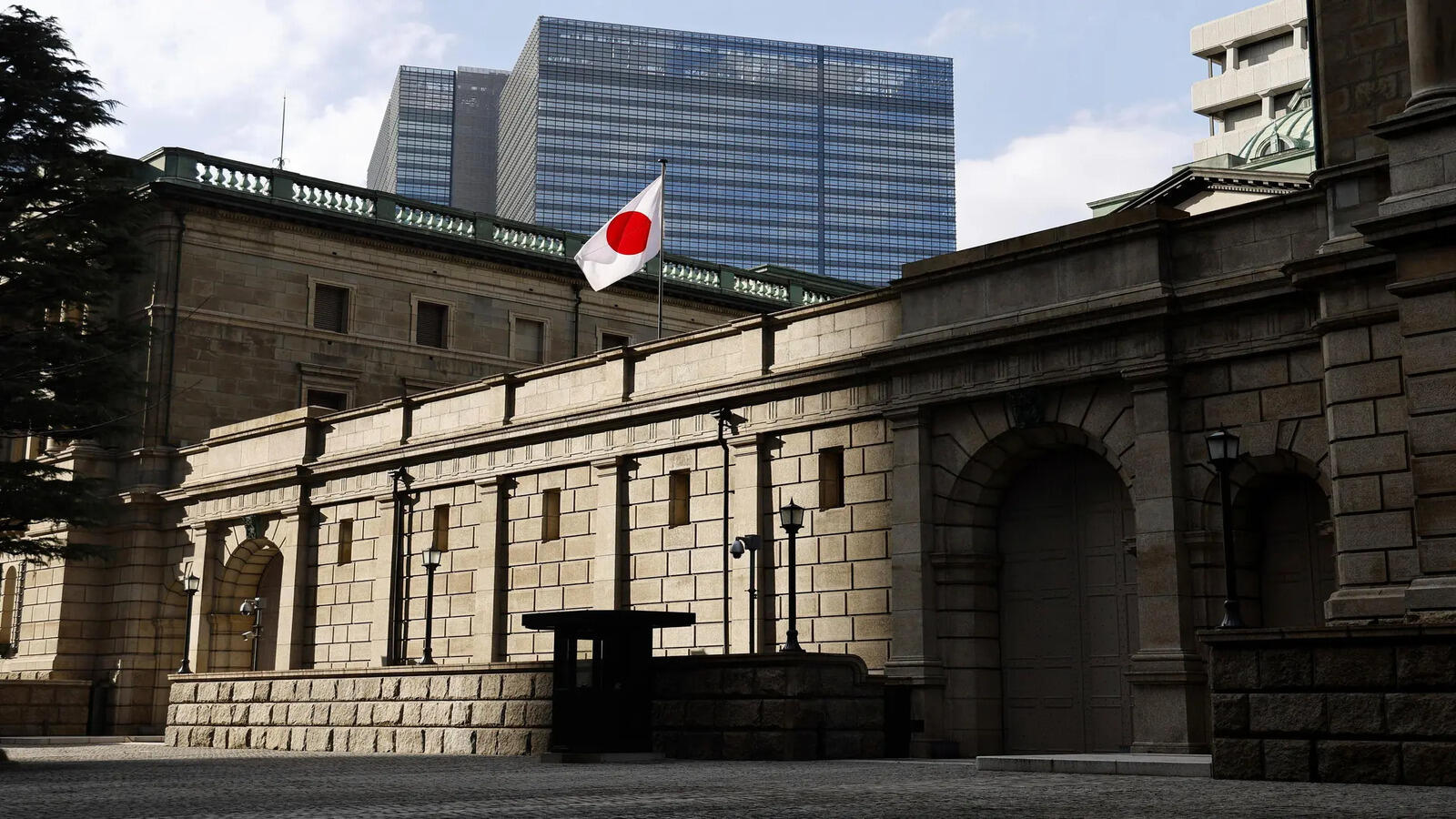
Global Market | Japan’s hawkish turn? BOJ’s Takata warns of inflation overshoot
Listen to this article in summarized format ListenJapan’s monetary policy debate took a sharper turn after Bank of Japan board member Hajime Takata warned that policymakers must stay alert to the risk of an inflation overshoot and continue raising interest rates gradually.Tired of too many ads? Remove AdsAccording to a Reuters report, Takata argued that Japan has effectively met the central bank’s longstanding 2% inflation target and that the economy has finally emerged from decades of stagnation. In his view, the focus must now shift from fighting deflation to preventing inflation from accelerating beyond comfort levels.A Clear Hawkish SignalTakata, widely regarded as the most hawkish member of the nine-member board of the Bank of Japan, reiterated his call for gradual rate hikes. He had earlier proposed a rate increase in January, a move that was rejected by the majority, Reuters said.In December, the BOJ raised its short-term policy rate to 0.75%, the highest level in 30 years. However, it held rates steady in January, declining Takata’s suggestion to lift them further to 1.0%, according to Reuters data.Tired of too many ads? Remove AdsTakata’s stance is rooted in growing concerns that inflation expectations are becoming entrenched. He noted that medium- and long-term inflation expectations are rising and that price increases are now more likely to trigger second-round effects, such as wage hikes feeding into sustained inflation.Global Drivers Adding PressureA key element of Takata’s argument is the global backdrop. Massive fiscal and monetary stimulus worldwide, combined with the surge in artificial intelligence-driven investment, could lift global growth and add to inflationary pressure in Japan.Japan’s deeply negative real borrowing costs have continued to encourage corporate lending across sectors, even after December’s rate hike. This, Takata believes, underscores the need to normalise policy further to prevent overheating.At the same time, he cautioned against relying too heavily on estimates of the so-called neutral interest rate — the theoretical level that neither stimulates nor restrains the economy — arguing that such levels are difficult to measure with precision. Instead, he advocates a gradual, data-driven tightening cycle that considers both overseas developments and domestic financial conditions, Reuters said.Impact on Global MarketsTakata’s comments carry significant implications beyond Japan.1. Currency MarketsA more aggressive tightening path from the BOJ could strengthen the Japanese yen. For years, ultra-loose Japanese policy encouraged carry trades, where investors borrowed cheaply in yen to invest in higher-yielding assets abroad. A stronger yen could unwind some of these trades, increasing volatility in global currency markets.Tired of too many ads? Remove AdsJapanese institutional investors are among the largest buyers of foreign bonds, particularly US Treasuries and European sovereign debt. Higher domestic yields in Japan could encourage capital repatriation, potentially pushing global bond yields higher. This would have ripple effects across emerging markets, including India, where foreign portfolio flows are sensitive to global rate movements.3. Equity MarketsGlobal equity markets, especially technology stocks that have benefited from AI-driven optimism, could see reassessment if tighter Japanese policy contributes to a broader rise in global borrowing costs. Liquidity conditions remain a key driver of asset prices worldwide, and a shift by the BOJ — long considered the last ultra-dovish major central bank — signals a tightening of global financial conditions.Tired of too many ads? Remove Ads4. Emerging Markets and Risk AppetiteIf Japanese rates rise steadily, risk appetite could moderate. Emerging markets that depend on foreign capital inflows may face renewed scrutiny. For India and other Asian economies, currency stability and bond yields could become more sensitive to global portfolio adjustments.A Turning PointFor decades, Japan’s monetary stance stood apart from the tightening cycles of other major central banks. Takata’s comments highlight that this divergence may be narrowing.If the BOJ continues along a gradual tightening path, the shift would mark not only a structural change for Japan but also a meaningful recalibration of global liquidity dynamics. Markets worldwide will be watching closely to see whether Takata’s hawkish minority view becomes the broader policy direction in the months ahead.