Ministers Outline Ambition to “Raise the Bar” as Sports Diplomacy Strategy Launched
Ireland’s new International Sports Diplomacy Strategy was formally launched with a clear message from Government today – that sport is no longer simply a source of national pride — it is a strategic diplomatic, economic and cultural asset.
Speaking at the launch, Foreign Affairs Minister Helen McEntee described the strategy as an ambitious and coordinated effort to bring a “Team Ireland” approach to the global stage.
She said the strategy is about “bringing together our talents, our experience, our relationships — the men and women who we absolutely adore and who represent us in so many different sporting fields — to bring about the greatest possible impact internationally.”
She said the extensive consultation process — involving sporting organisations, athletes, diaspora representatives, research institutes, Irish companies and State agencies — had revealed “just how much potential there is when it comes to sports diplomacy.”
In an increasingly complex and uncertain global environment, she argued, sport provides “an important space for dialogue, for connection, for partnership — and for people to come together and enjoy what they’re doing.”
Soft Power in Action
McEntee positioned the strategy as the sporting equivalent of Ireland’s long-standing cultural diplomacy.
“For many years we have successfully used the soft power of cultural diplomacy to advance our values and our interests,” she said. “We are proud to showcase our literature, our music, our artists. Now it is time that we do the same when it comes to our sportspeople.”
Referencing iconic sporting memories — from major golf victories to recent international successes — she said such moments create emotional bonds that transcend borders.
“Our sportspeople are outstanding representatives,” she added. “Their excellence and achievements on the world stage speak powerfully about Ireland as a sporting nation, our people and our values.”
A central pillar of the strategy is the new Global Ireland Sports Leaders initiative, which will invite up to six accomplished sports figures at a time to work alongside embassies, consulates and State agencies to promote Ireland internationally.
The Minister also highlighted the power of the Irish diaspora, noting that between 40 and 70 million people worldwide claim Irish heritage.
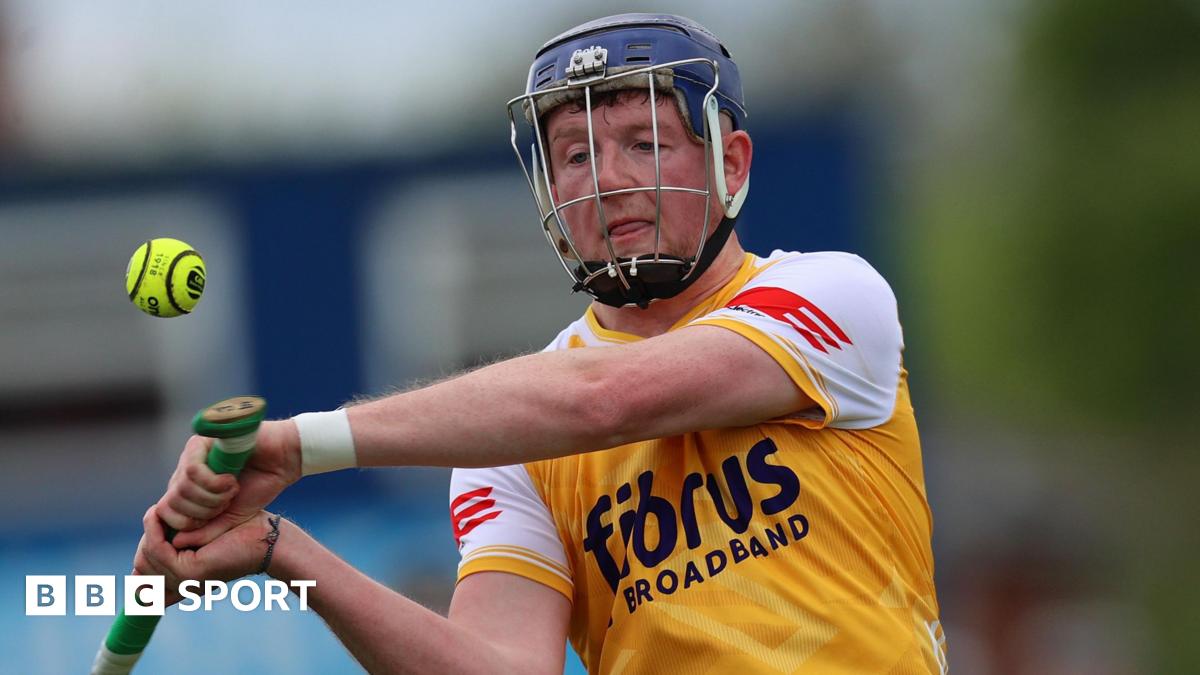
“When it comes to Gaelic Games, these are thriving overseas already,” she said, pointing out that in many international clubs the majority of players were not Irish-born but had embraced Irish sporting values such as community, volunteerism and inclusivity.
Investment, Influence and Economic Returns
Minister for Culture, Communications and Sport Patrick O’Donovan reinforced the economic and diplomatic rationale behind the strategy, arguing that sport offers Ireland access and influence disproportionate to its size.
“For a small country that has never invaded anybody and never been an imperial force, we have a huge amount of soft power when it comes to culture and sport,” he said.
He described St Patrick’s Day as a unique diplomatic platform, noting that few other nations can “stop traffic on Fifth Avenue for a whole day” and leverage that visibility to promote national interests.
Sport, he said, is central to that global reach.
“Nothing unites Irish people as well as sport,” he said, highlighting the importance of 32-county sporting bodies and the ability of sport to build connections across communities.
He pointed to the economic return of hosting major events, referencing the Government’s €10 million support package for the NFL game in Dublin, which he reminded us generated a return of 10.5 to 1 for the State and 2.5 to 1 directly to the Exchequer.
“Any day the Department of Finance gets a 2.5 to 1 return on a bond is not a bad day,” he remarked.
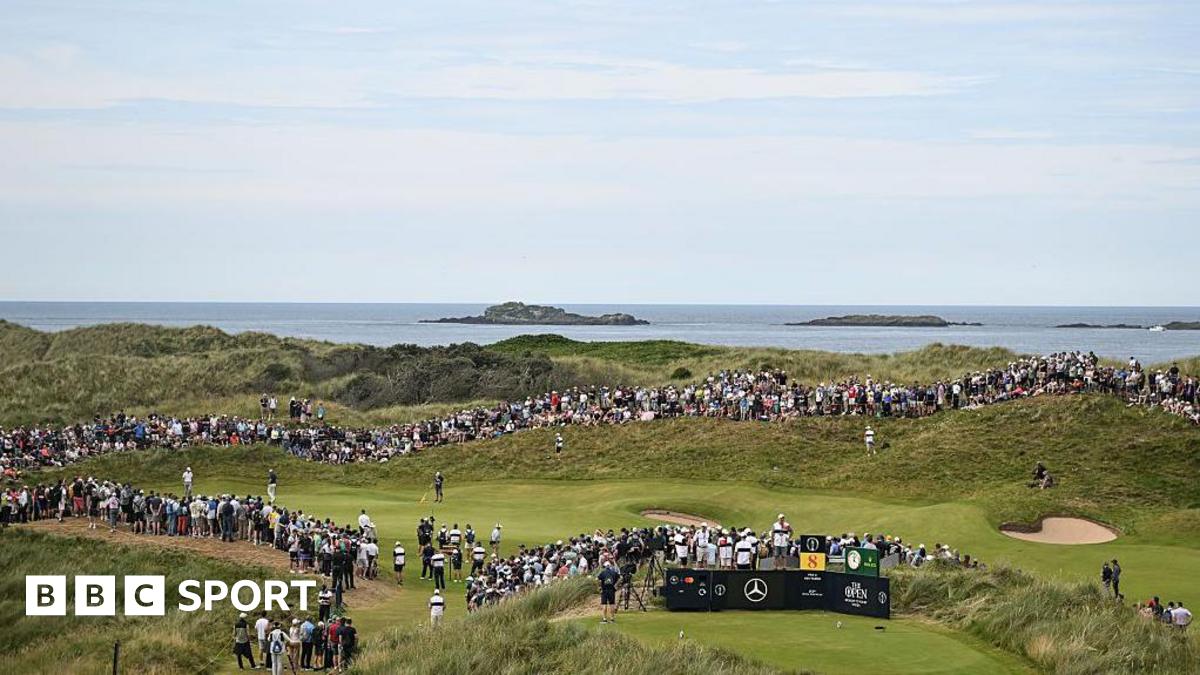
He also highlighted future opportunities including the Ryder Cup in 2027, UEFA EURO 2028, and the T20 Cricket World Cup in 2030, noting that cricket’s growing popularity — particularly among migrant communities — presents both infrastructure challenges and diplomatic opportunities.
“The most viewed television audience ever for an Irish sporting event was cricket,” he said, referencing the 400 million viewers who tuned in for Ireland’s match with India.
Panel: Sport as Identity, Industry and Influence
A panel discussion featuring Minister of State for Sport Charlie McConalogue, three-time major champion Pádraig Harrington, Federation of Irish Sport CEO Mary O’Connor, HEXIS CEO Dr David Dunne and Women in Sport lead Nora Stapleton explored how the strategy translates into practice.
Harrington described how Irish identity travels with athletes.
“No matter where you go in the world, there’s always somebody in an Irish jersey,” he said. “Sport brings people together, especially outside Ireland.”
He highlighted the Ryder Cup’s return to Adare in 2027 as a transformative opportunity, noting that golf tourism in Ireland continues to surge and that global broadcast images play a crucial role in driving travel.
David Dunne emphasised Ireland’s growing sports technology footprint, noting that Irish practitioners and innovators are embedded across the Premier League, AFL and NFL.
“We completely over-deliver for the size of the country,” he said, arguing that coordinated Government support would help Irish companies scale further and deepen international partnerships.
O’Connor underlined the importance of visibility, particularly for women in sport, and the need to link grassroots volunteer structures to high-performance success.
“There is no high-performance athlete who hasn’t started with a volunteer,” she said.
Stapleton highlighted Ireland’s progress on gender balance in sports governance while acknowledging further work is needed, particularly in improving diversity across national governing bodies.
“If we don’t put money behind high-performance systems, we won’t have teams at major competitions — and that’s where we’re visible,” she said.
Join us tomorrow for a detailed breakdown of the new policy and where it will have the greatest impact in the near future.
Image Credit: Sport for Business
ABOUT SPORT FOR BUSINESS
Sport for Business is Ireland’s leading platform focused on the commercial, strategic and societal impact of sport. It connects decision-makers across governing bodies, clubs, brands, agencies and public institutions through high-quality content, events and insight. Sport for Business explores how sport drives economic value, participation, inclusion and national identity, and how your story can be part of ours.
Through analysis, storytelling and convening the sector, it helps leaders understand trends, share best practice and make better-informed decisions. Its work positions sport not just as entertainment, but as a vital contributor to Ireland’s social and economic fabric.
Find out more about becoming a member today.
Or sign up for our twice-daily bulletins to get a flavour of the material we cover.
Sign up for our News Bulletins here.
Upcoming Events




Comments (0)