SMALL CAP IDEA: Optima Health bets big with PAM Healthcare deal
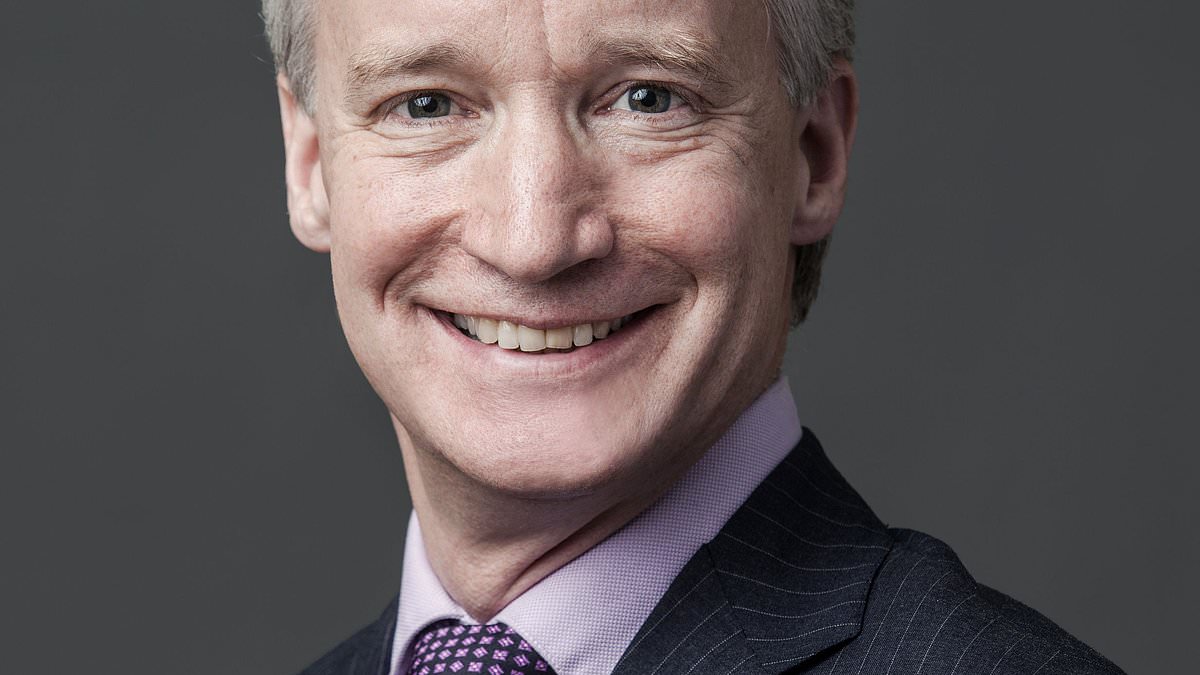
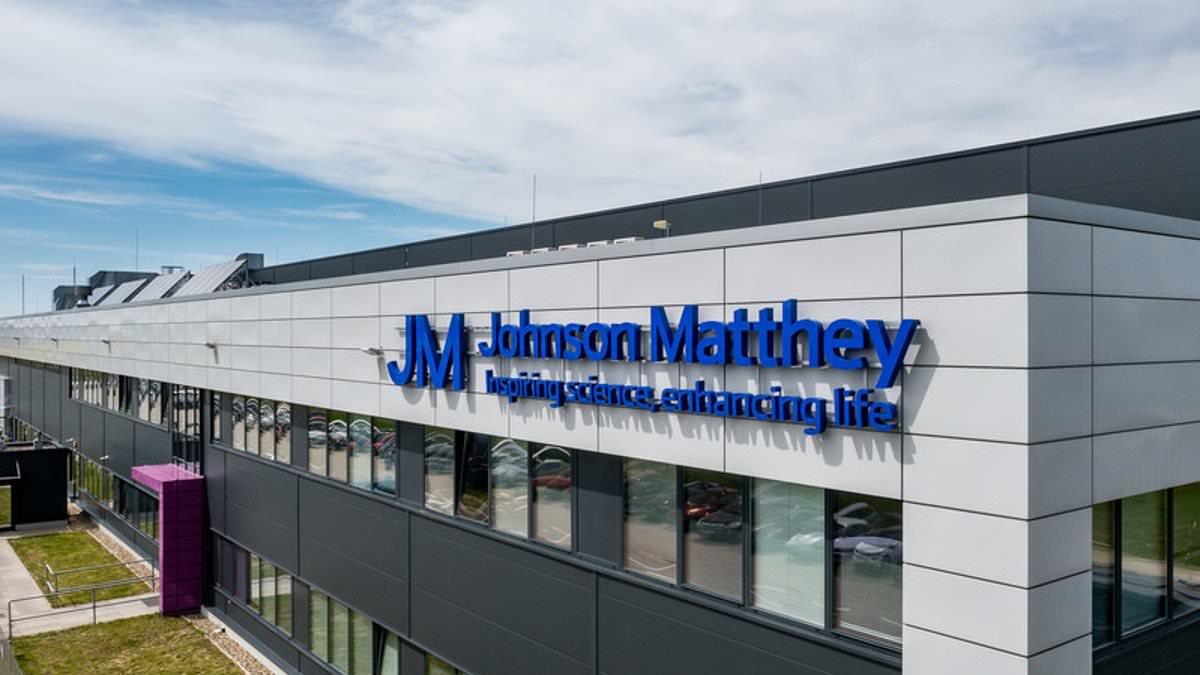
Optima Health has made its boldest move since floating on AIM little more than 16 months ago, agreeing to pay £100 million for PAM Healthcare to create what it thinks will become the clear leader in the UK's fast-growing occupational health market.The deal, announced last Monday, is transformational in the truest sense of the word. Revenues, anticipated to be around £123 million for the current year, will grow to £204 million in 2027, with the addition of PAM, according to analysts at RBC Capital.In the process, Optima's market share grows from 10 to 15 per cent in a sector valued at around £1.6 billion. More importantly, it removes one of the four serious competitors in a fragmented market where scale matters enormously.The strategic logic here is hard to argue with. PAM, backed by private equity firm LDC since 2021, is one of four outsourced occupational health providers of any real size in the UK. The others are Health Partners Group, which was acquired by US giant Warburg Pincus last July, and Medigold, which counts BGF as a significant investor. Had either of those rival-backed outfits won this process, Optima's ambitions would have been severely curtailed. Optima Health's acquisition shows it thinks it can be the leader in occupational healthChief executive Jonathan Thomas, who has overseen 15 acquisitions during his career building occupational health businesses, has clearly moved decisively. Winning the competitive process matters for reasons beyond the obvious financial accretion.“In addition to providing strong strategic positioning for Optima, the acquisition is important defensively, making it more difficult for peers to gain comparable market share,” said Panmure Liberum in a note.PAM is a good business. Founded in Warrington in 2004, it has grown revenues at a compound rate of nearly 16 per cent over three years, reaching £66.6 million in the year to December 2025. It employs more than 450 clinicians across occupational health, physiotherapy, mental health and, crucially, neurodiversity assessment services, which represent one of the fastest-growing corners of the market. More than 90 per cent of its 2026 revenues are already underpinned by existing contracts, with an average contract length among its top 10 customers of 7.8 years, analysts at RBC Capital noted. In other words, this is sticky, visible income.The two businesses are strikingly similar. Both operate a hybrid model delivering services in person and virtually. Both work across public and private sectors in roughly equal measure. PAM has historically competed directly against Optima in tender processes, so combining them reduces churn and creates a war chest for winning contracts from everyone else, analysts at Panmure noted. PAM also brings new geographic coverage, notably in northern Scotland and Ireland, and deepens Optima's oil industry exposure, the broker added.The price paid looks reasonable. At 12.2 times PAM's 2025 adjusted EBITDA of £8.2 million, it is in line with comparable occupational health deals. Adjust for the first year of expected synergies and the multiple falls to around 9.6 times, slightly below where Optima itself currently trades.Synergies of up to £5 million per year are targeted by year three, sourced from management duplication, property rationalisation where the networks overlap, central functions and technology. Analysts at three brokers covering Optima think this is achievable given the similarity of the two operations, though they note the timing will be lumpy. Even excluding synergies entirely, RBC expects the acquisition to be earnings accretive by the third year.The financing is more complex. Optima has drawn £70 million from existing banking partners HSBC and Barclays, with a three-year term and extension options. Lord Ashcroft, Optima's largest shareholder with a stake above 24.6 per cent, has provided a £30 million interest-free bridge loan through his Deacon Street Partners vehicle, to be repaid through a £35 million open offer at 175p per share, an 18 per cent discount to where the shares were trading before the announcement. Ashcroft has underwritten the open offer in full.That related-party element has attracted some attention, and understandably so. But the practical effect is that the deal got done quickly and without the execution risk of a traditional equity placing. The bridge is interest-free for three months, giving plenty of runway for completion once Irish foreign direct investment clearance arrives, expected within 90 days.Near-term leverage will be around 2.7 times EBITDA, which is manageable, says RBC, given the combined group's cash generation. Optima converts more than 70 per cent of earnings to cash and expects rapid deleveraging towards one times within three years.Analysts value the business at between 240p and 271p a share, which is a significant premium to the current price, which is hovering around 184p. That said, we still have the small matter of the equity fundraiser to negotiate before this discount narrows.For all the market's breaking mid- and small-cap news, go to www.proactiveinvestors.co.ukDIY INVESTING PLATFORMSAJ BellAJ BellEasy investing and ready-made portfoliosHargreaves LansdownHargreaves LansdownFree fund dealing and investment ideasinteractive investorinteractive investorFlat-fee investing from £4.99 per monthFreetradeFreetradeInvesting Isa now free on basic planTrading 212Trading 212Free share dealing and no account feeAffiliate links: If you take out a product This is Money may earn a commission. These deals are chosen by our editorial team, as we think they are worth highlighting. This does not affect our editorial independence.Compare the best investing account for you