Best Puffer Jacket (2026): Patagonia, Arc’teryx, REI
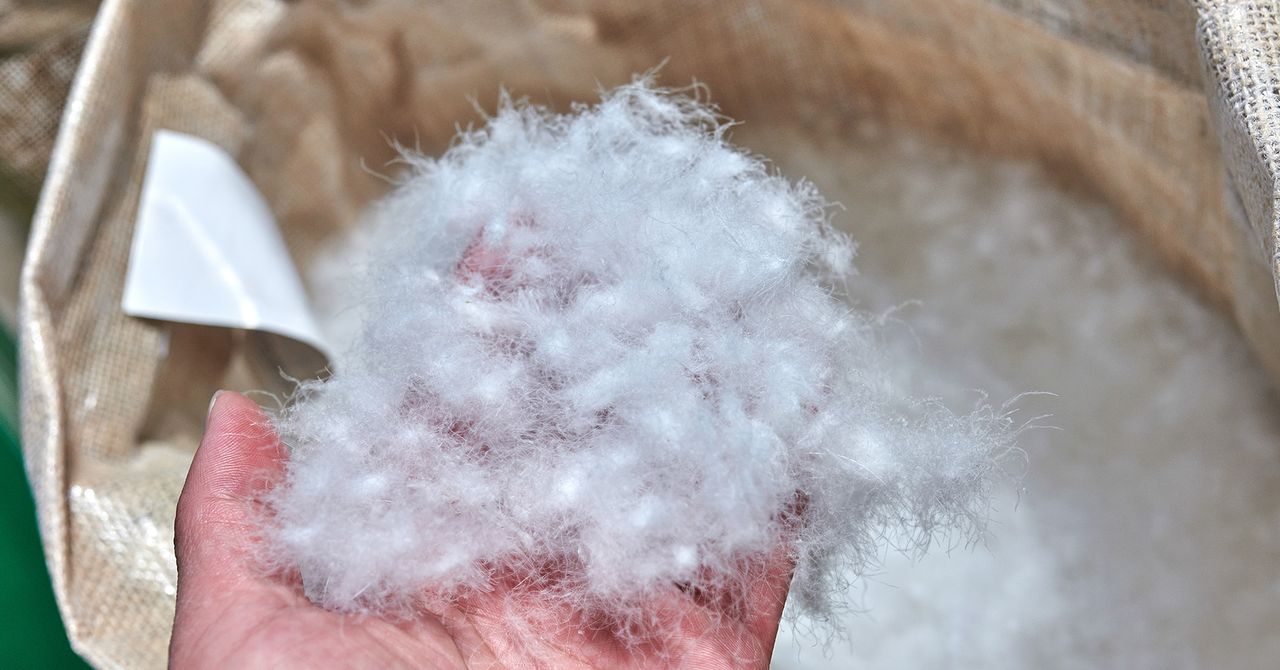
The temptation with down jackets is to get the warmest one you can. If you're spending the winter in northern Wisconsin, as I did while testing these, that's not a bad idea. But if you're just looking for a little extra warmth during shoulder season backpacking trips, or even high-altitude summer trips, you don't need a massively overstuffed winter parka, unless maybe you're a perpetually cold person.Price tracks pretty closely to fill power and fill weight. The higher the fill power, and the more down there is, the more expensive a jacket will be. We suggest sticking with jackets that have a down fill power rating of at least 650, but there's no reason to spend on a jacket with 900-fill-power down if you're OK carrying a few ounces more. This is especially true if you aren't even planning to take your puffer jacket into the backcountry. There are some great deals out there if you stay away from the 900+ fill power. For example, our top budget down hoodie, the Decathlon Simond MT100, has 800 fill power, weighs only 4 ounces more than our top ultralight pick, and costs much less.That said, remember that in the case of backpacking, you’ll want to keep in mind how packable a jacket is as well. Unfortunately, the packability relative to warmth is affected by fill power—the higher fill power the more it will pack down when all else is equal.Other things to looks for include the nice extras. We like pockets, at a bare minimum two external pockets for your hands are nice and bonus points when they're big enough to stash your hat and gloves. Pay attention to the cuffs and hem around the wrists, waist, and hood. Drawstrings here will help you cinch down and keep out the wind. A few high-end jackets also use synthetic insulation for the first baffle on the arms, so if you get your sleeve wet filtering water (for example), it doesn't wet out the down. I also like jackets that stuff into their own pocket, though this generally only applies to lighter jackets.