Bitdeer Liquidates Entire Bitcoin Treasury as Mining Margins Tighten — Will Other Crypto Miners Follow in 2026?
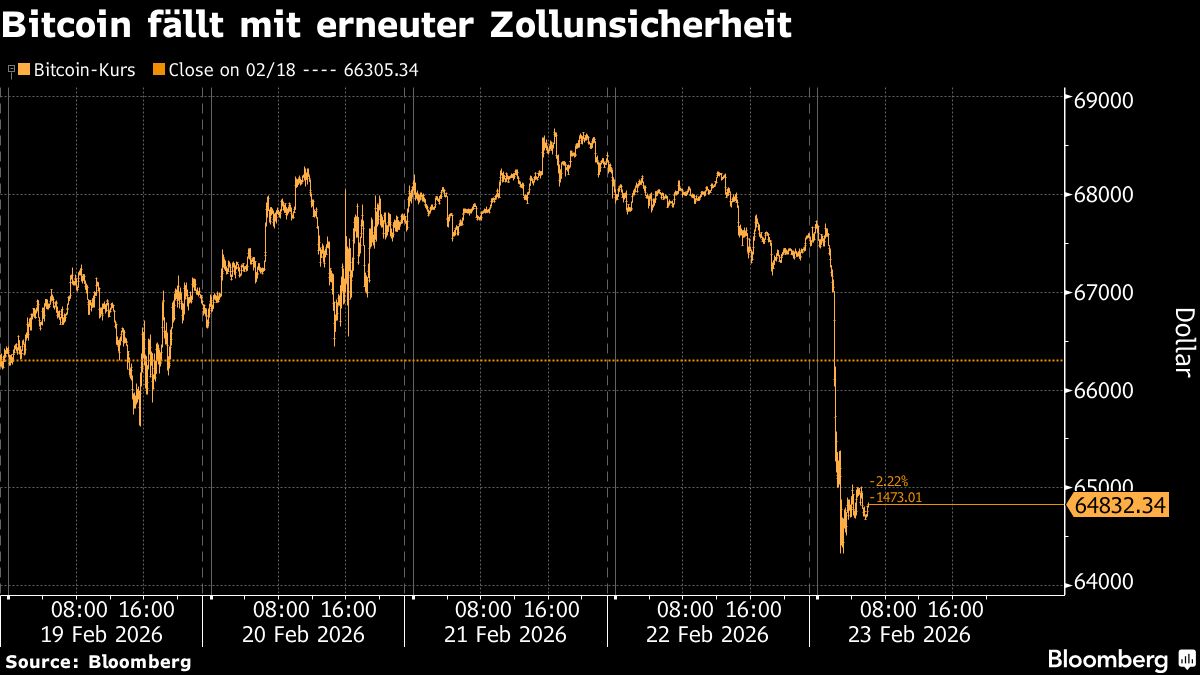
Key Takeaways Bitdeer has sold all of its self-owned Bitcoin, reducing its treasury balance to 0 BTC. Several trackers still show over 1,000 Bitcoins due to outdated data and confusion with customer holdings. Public miners, including TeraWulf, Bitfarms, Riot, and Core Scientific, are increasingly selling BTC or pivoting toward AI data centers. Bitcoin mining giant Bitdeer has liquidated its entire Bitcoin position over the weekend as BTC trades below $68,000 — nearly 50% down from its all-time high. The sale comes as Bitcoin mining profits hit all-time lows, with the company—once eyeing U.S. expansion—now offloading all the Bitcoin it mined, excluding customer deposits. On Feb. 21, Bitdeer mined approximately 184 BTC and sold the entire batch, along with an additional 943.1 BTC from its reserves. The transaction follows a steady decline in Bitdeer’s holdings over recent weeks. The company began 2026 with roughly 2,000 BTC. By the end of January, that figure had fallen to 1,530 BTC, and by Feb. 13, it stood at 943.1 BTC before being fully liquidated days later. At the time of the sale, Bitcoin was trading between $65,000 and $68,000. Bitdeer sells its entire BTC holdings. Credit: Bitdeer. The development has drawn attention, given Bitdeer’s growing operational footprint. The company’s self-managed hashrate recently surpassed that of MARA (formerly Marathon Digital), making it the publicly traded miner with the largest self-operated capacity. While some market participants have speculated about the reasoning behind the treasury reduction, Bitdeer has not indicated that the move reflects financial distress. Public mining companies frequently adjust treasury strategies based on capital allocation priorities, operating costs, and broader market conditions. There is still some confusion over whether Bitdeer has fully exited its Bitcoin holdings. Several treasury tracking platforms — including The Block, bitcointreasuries.net, and bitbo.io — continue to show Bitdeer holding between 943 BTC and more than 2,000 BTC. However, many of these figures reflect January data or late-2025 filings. The discrepancy likely stems from timing. Most treasury trackers rely on quarterly reports or visible on-chain wallet activity, both of which can lag behind real-time company disclosures. Bitdeer’s most recent update came in its Feb. 20 weekly post on X, and some dashboards had not yet updated when the news began circulating. It’s clear that Bitdeer is redirecting capital toward expansion beyond pure Bitcoin mining. The company recently announced a $43.7 million equity offering alongside a convertible note agreement worth up to $325 million. The funding is expected to support expansion into artificial intelligence (AI) and high-performance computing (HPC). These businesses can generate significantly higher revenue per megawatt of power compared to traditional mining operations. Bitdeer is not alone. Low mining margins are pushing public miners to rethink their business models. Firms such as Cipher Mining, Core Scientific, Riot, and others have begun selling mined BTC or reallocating infrastructure toward AI workloads. Across the industry, roughly 70% of public miners now have AI or HPC initiatives underway. This is because AI infrastructure can generate three to twenty-five times more revenue per kilowatt than Bitcoin mining, often with profit margins between 80% and 90%. As a result, many companies no longer treat BTC as a long-term treasury asset. Instead, they sell production regularly — and in some cases tap reserves — to finance expansion into AI data centers. Bitdeer’s shift to a zero-BTC balance marks one of the clearest signals yet of structural change within the mining sector. When the largest public miner by self-managed hashrate liquidates its holdings, the industry takes notice. Mining remains core to these firms, but reliance on Bitcoin alone is becoming increasingly risky when the same power capacity can produce substantially higher returns through AI workloads. In 2026, more miners are likely to follow Bitdeer’s path — selling BTC, restructuring debt, and building AI-optimized data centers. For investors, this shift suggests mining stocks may increasingly resemble technology infrastructure plays rather than pure crypto proxies. The era of “HODL all mined Bitcoin” appears to be fading as the industry pivots toward the AI boom. Top Picks for Bitcoin The post Bitdeer Liquidates Entire Bitcoin Treasury as Mining Margins Tighten — Will Other Crypto Miners Follow in 2026? appeared first on ccn.com.