Social Media Vlogs and Influencer Content Are Shaping Travel Destination Choices in 2026: New Trends, Impact, and Future Directions - Travel And Tour World
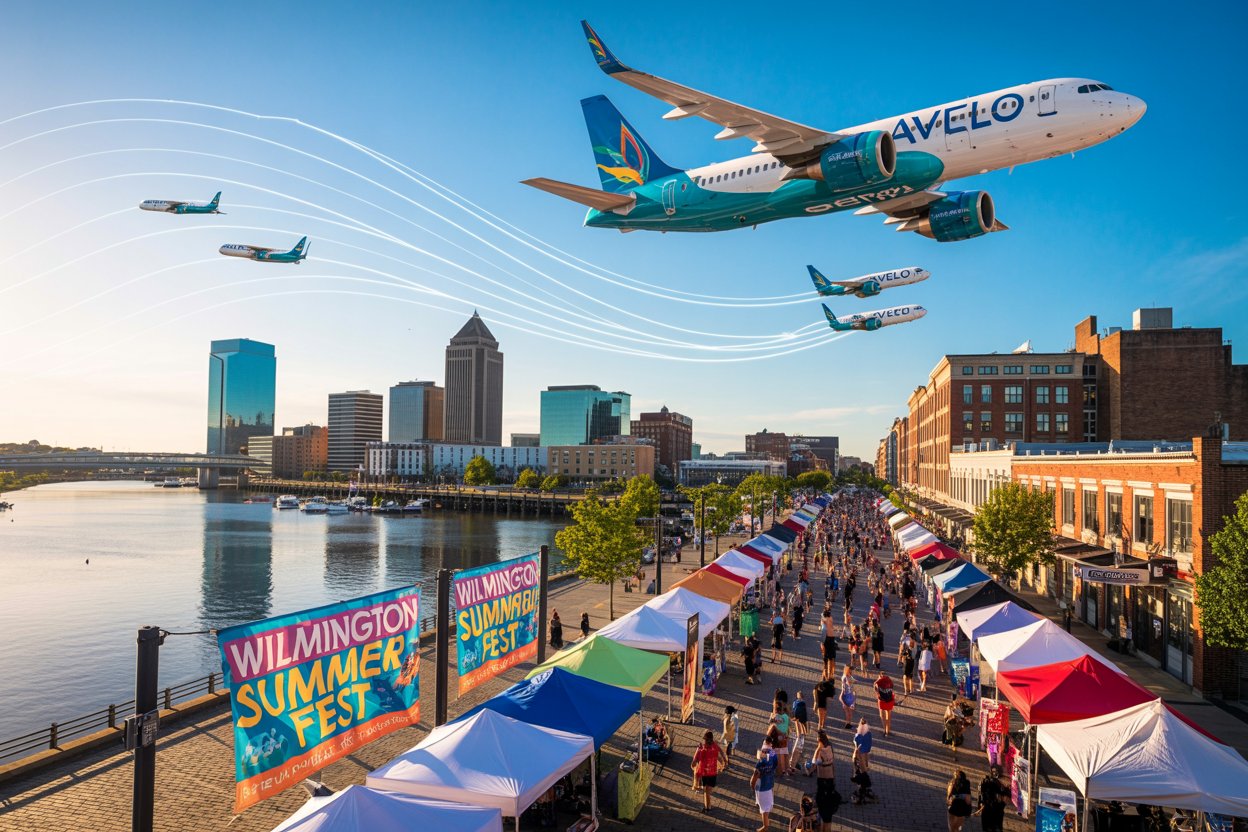
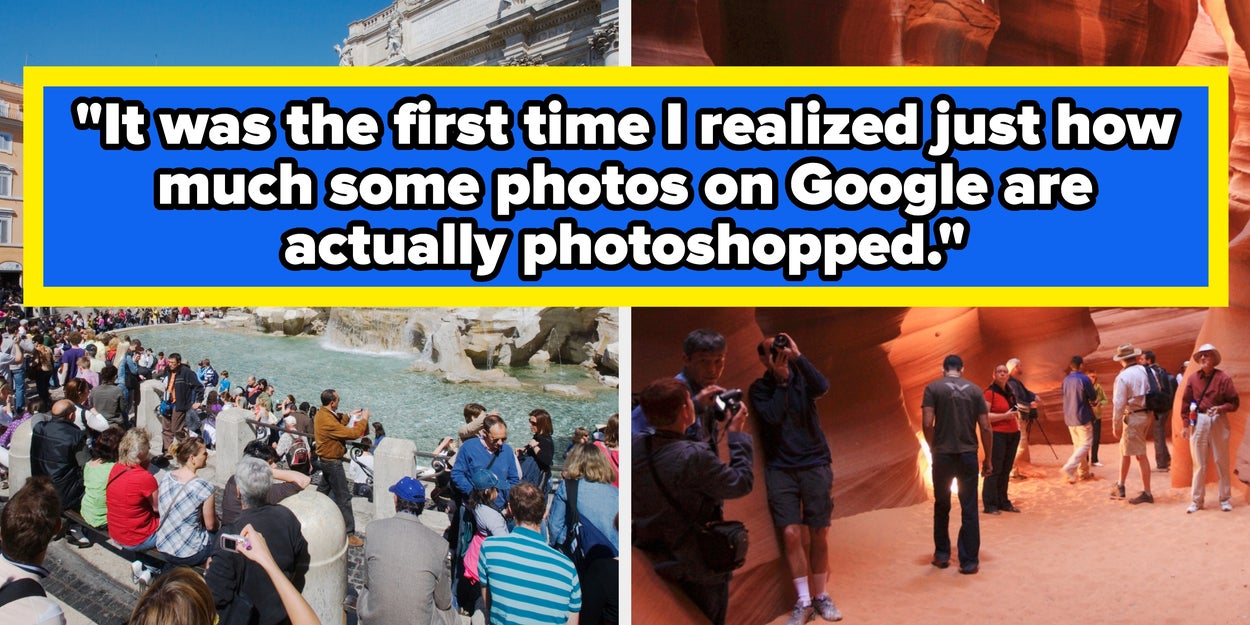
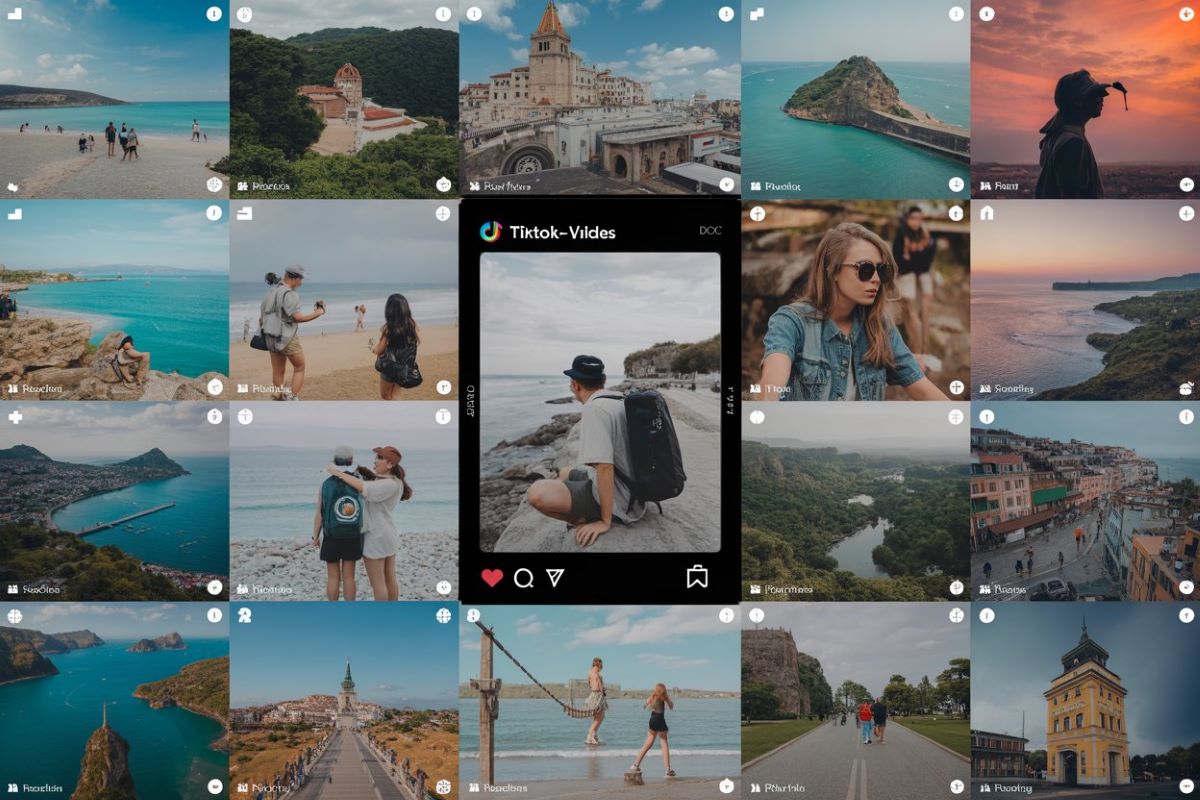
Home » TRAVEL NEWS » Social Media Vlogs and Influencer Content Are Shaping Travel Destination Choices in 2026: New Trends, Impact, and Future Directions Image generated with AiIn 2026, the way people decide where to travel continues to evolve rapidly, and social media — especially vlogs and influencer content — is playing a central role in shaping those decisions. What once began as a platform for sharing photos and text posts has now become a full‑blown decision‑making ecosystem where videos, influencer recommendations, and user‑generated content drive interest in destinations around the world. This trend is being increasingly recognised by travel businesses and destination marketers who now tailor their strategies to meet the preferences of a digitally connected audience.Social media platforms like Instagram, TikTok, and YouTube have become essential tools in the tourism industry, with millions of users turning to these channels for inspiration, planning, and validation before making travel choices. Platforms that were once seen as casual entertainment channels have matured into influential sources of travel information, shaping perceptions and nudging audiences toward specific destinations and experiences.Visual Storytelling and User Engagement: The Rise of VlogsOne of the most impactful formats in social media travel content is the travel vlog — short videos or episodic content that take viewers through a traveller’s journey, destination highlights, and personal experiences. Unlike static photos or text, vlogs immerse viewers in a destination through sights, sounds, and narratives. They enable viewers to visualise an experience as if they were there, which can significantly influence their destination preferences.Research on travel vlogs shows that their appeal lies in their ability to combine visual authenticity with personal storytelling, making them more relatable than traditional advertising and brochures. Viewers often trust the impressions and on‑the‑ground experiences shared by vloggers more than conventional marketing materials. This human‑centred storytelling can alter destination image and perceived attractiveness, influencing a traveller’s intention to visit.Vlogs are also highly shareable and discoverable. For example, reels on Instagram or short YouTube travel clips can go viral, allowing destinations — from hidden gems to popular hotspots — to gain sudden global visibility. Many destinations have seen increases in tourism simply because of a highly shared piece of content showcasing their attractions. This phenomenon, often termed “Instagram tourism”, refers to how visual social media content can spur mass destination interest and travel.The Power of Instagram, TikTok, and YouTubeDifferent platforms contribute in unique ways to how travel aspirations are formed:AdvertisementAdvertisementInstagram continues to be a key platform for travel discovery, particularly through Stories, Reels, and geotagged posts. Users often browse travel‑related hashtags (e.g., #travelgram, #wanderlust) to find visually compelling destination ideas.YouTube offers longer‑form content that can dive deeper into destination experiences, complete with tips, itineraries, and cultural insights — all of which help viewers plan future trips.TikTok has emerged as one of the fastest‑growing channels for travel inspiration. Its short, dynamic video format is ideal for quick destination highlights and trend‑driven content that can rapidly influence travel interest among young audiences.Each platform taps into slightly different segments of the traveller population, but all serve as powerful channels for influencing destination choice by showcasing destinations through visually rich, engaging content.Influencers and Authentic ContentAlongside vlogs, travel influencers — individuals who create and share travel content through their own social media platforms — have become important voices in destination marketing. These influencers often travel extensively, document unique experiences, and share those with a dedicated audience. Their recommendations are perceived as more authentic, relatable, and trustworthy compared to traditional advertising.Travel influencers can highlight lesser‑known attractions, reveal cultural nuances, and provide real‑time travel tips that resonate with viewers. This approach offers a sense of familiarity and credibility that can strongly affect prospective travellers’ decisions. Influencers effectively become informal ambassadors for destinations, often generating interest in places that might not have been on a traveller’s radar otherwise.Studies have shown that user‑generated content — including vlogs, reviews, and influencer posts — plays a significant role in travel decision‑making. One research paper found that platforms like Instagram, Facebook, and YouTube are among the most influential sources for destination choices, with authentic visuals and personal narratives being critical factors.Psychological Drivers: FOMO and Digital DesireBeyond the visual appeal, psychological factors also influence travel decisions in the age of social media. One such factor is FOMO (Fear of Missing Out). Posts showing friends or influencers experiencing beautiful locales can create a sense of urgency or desire to visit these places before interest fades or crowds grow. This emotional response can drive users to prioritise destinations they might otherwise have overlooked.Social media’s interactive features, such as likes, comments, and shares, further amplify the social validation effect — travellers often feel encouraged to choose destinations that have high engagement, interpreting popularity as a proxy for a “must‑visit” experience. This is especially true among younger travellers who are more influenced by digital trends and peer behaviours when selecting travel destinations.Influencing Travel Behaviour: Research InsightsMultiple studies have examined how social media affects tourism and destination choice. Research has indicated that user preferences are shaped significantly by social media exposure, with the majority of travellers consulting visual content before planning trips. For example, over 60% of travellers report using social media to research and select destinations.Additionally, academic research suggests that the perceived image of a destination as created through social media posts plays a key role in shaping travel aspirations. When viewers see destinations portrayed positively and vividly on social platforms, they are more likely to consider visiting those places.Strategic Implications for Tourism MarketingThe rising influence of social media vlogs and influencer content has important implications for destination marketing organisations (DMOs), travel agencies, and tourism boards. Traditional brochures and static websites are no longer sufficient on their own; modern travellers increasingly rely on dynamic, visual, and peer‑generated content to make decisions.DMOs and tourism marketers should now integrate social media strategies into their promotion efforts. This includes collaborating with influencers, producing shareable video content, and encouraging visitors to post their own travel stories. By doing so, destinations can expand their reach organically, tapping into the networks of thousands or even millions of social media users.Highlighting authentic local experiences, storytelling, and visually compelling narratives can also help destinations differentiate themselves in a crowded travel market. Creating official channels that regularly update content and interact with users can strengthen destination branding and inspire future visits.Challenges and Responsible MessagingWhile the impact of social media on travel decision‑making is profound, it also poses challenges. One of the criticisms is that platforms like Instagram can encourage “Instagram tourism”, where destinations become popular purely because they are photogenic rather than offering meaningful cultural value.Some destinations have experienced overtourism and environmental strain because of online hype, leading local authorities to rethink how they manage social media exposure. Responsible tourism messaging — promoting sustainable travel behaviours and respect for local communities — has become increasingly important to counterbalance the pure desire for picturesque content.Conclusion: Travel in the Digital AgeAs we move further into 2026 and beyond, social media vlogs and influencer content will continue to shape how travellers think about and choose destinations. The blend of visual immersion, personal storytelling, and peer credibility makes these digital tools powerful drivers of travel trends.For travellers, social media offers a window into the world’s destinations — a chance to explore far‑flung places through the eyes of others before booking their own trips. For tourism professionals, understanding this influence is key to designing marketing strategies that connect with modern travellers in meaningful ways. Harnessing social media effectively can enhance destination visibility, attract niche travel segments, and build long‑lasting interest in a place.Ultimately, social media has transformed travel from a largely transactional choice into a socially shaped experience, where inspiration, validation, and digital conversations guide the destinations people dream about and eventually visit.