Supreme Court strikes down Trump's tariffs with $175B on the line
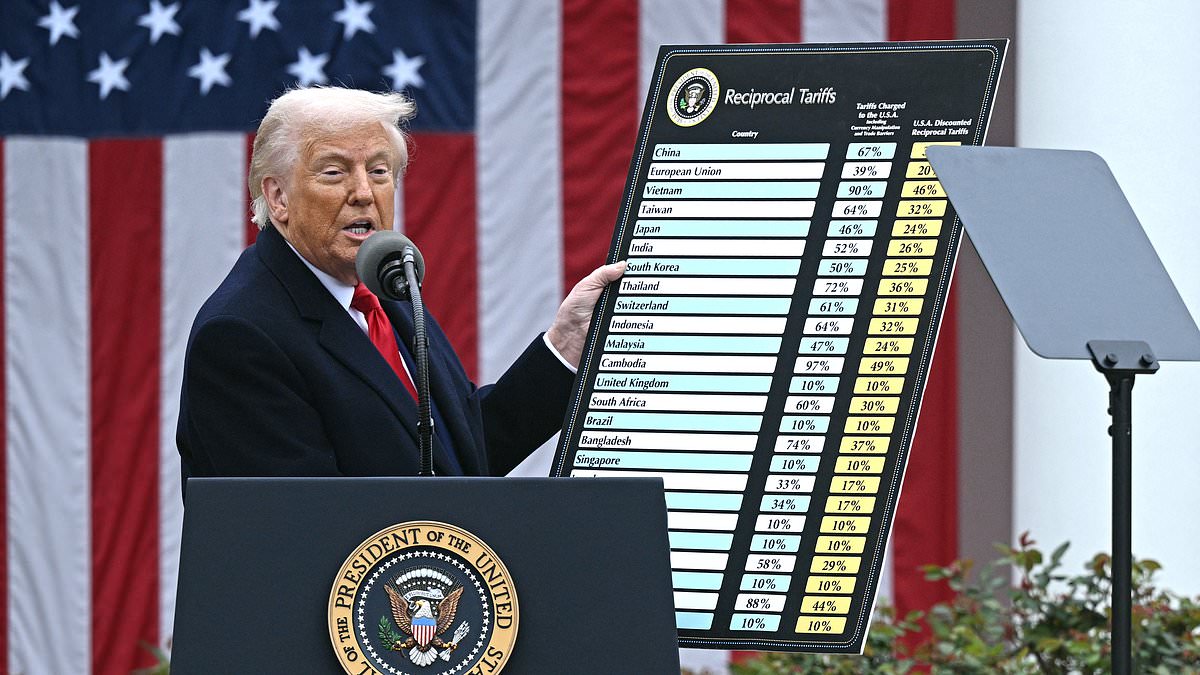
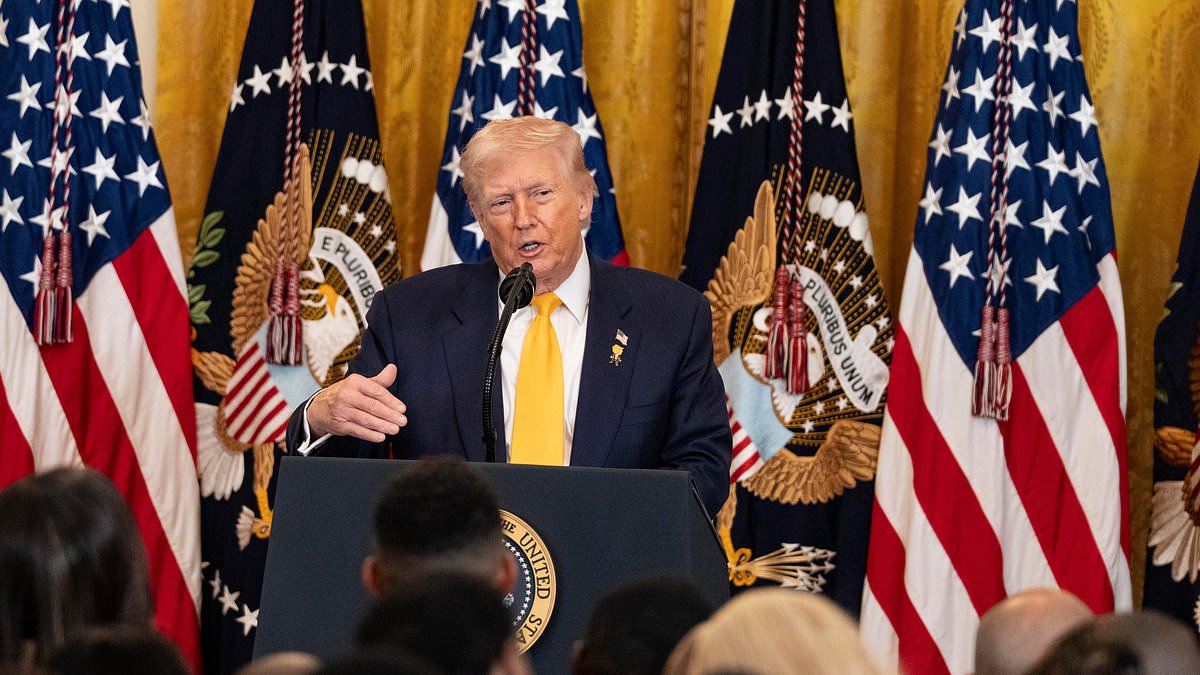
President Donald Trump fumed on Friday after the Supreme Court made the extraordinary move of ruling against his widespread tariff policy. Trump was meeting with top governors in the White House when the ruling came down and called it a 'disgrace,' according to CNN. At the same time, Wall Street celebrated as the stock market spiked after the tariff decision was issued.In a 6-3 decision, penned by conservative Chief Justice John Roberts, the court said Trump did not have the authority under the International Emergency Economic Powers Act of 1977 to impose tariffs.Trump had used the law as a legal footing for his widespread tariff policy, which he boasted would enrich the nation. The court's rejection comes despite the President having the benefit of a conservative majority. He appointed three Supreme Court Justices in his first term - Neil Gorsuch, Brett Kavanaugh and Amy Coney Barrett. Despite the Court's 6-3 rightward lean, Gorsuch and Barrett ruled against the President on Friday, while Kavanaugh penned the dissent. An estimated $175 billion in tariff revenue is at stake, according to the Penn-Wharton Budget Model, Reuters reported. The Court did not provide any clear guidance on what the administration should do with the billions already collected. President Donald Trump holds up his list of reciprocal tariffs imposed on 'Liberation Day' on April 2 Traders work the floor on Friday as the Supreme Court ruled against President Donald Trump's widespread tariff policyCNN also reported that Trump stated, 'I have to do something,' when he first learned of the ruling devastating his agenda. He scheduled an impromptu briefing with members of the White House press in the hours after the decision.On April 2, Trump celebrated 'Liberation Day,' announcing reciprocal tariffs on nations around the globe - even on uninhabited islands. The President used the justification that there was a national emergency due to trade deficits and national security threats. As he entered office last year, he imposed tariffs on Mexico, Canada and China over fentanyl flooding into the U.S. Trump also used tariffs to threaten other countries, such as dangling a 25 percent tariff on Indian imports due to the country continuing to buy Russian oil. But Roberts, who was appointed by Republican President George W Bush, wrote in the ruling that if Congress had intended to allow the President the 'distinct and extraordinary power to impose tariffs, it would have done so expressly - as it consistently has in other tariff statutes.' The Chief Justice said that the 'president must "point to clear congressional authorization" to justify his extraordinary assertion of the power to impose tariffs.' 'He cannot,' Roberts said. The decision does not impact all of Trump's sweeping tariffs. His decrees on steel and aluminum were enacted under different laws. For months, Trump has publicly pushed the high court to rule in his favor, even flirting with coming to the Court's chambers to watch oral arguments. 'If we don't win that case, we will be a weakened, troubled financial mess for many, many years to come,' Trump said in October. 'I don't even know if it is survivable. That's why I think I'm going to the Supreme Court to watch it. I've not done that. And I've had some pretty big cases.' Trump ended up not viewing oral arguments, which critics suggested could have raised constitutional questions related to the separation of powers. President Donald Trump was entertaining members of the National Governors Association when the Supreme Court's tariff ruling came down. He had already kicked out members of the press, through CNN reported that he reacted by calling the ruling a 'disgrace' Justices Amy Coney Barrett and Neil Gorsuch (upper left) ruled with the liberal wing of the Court against President Donald Trump. Justice Brett Kavanaugh (second from right), a Trump appointee, wrote the dissent. Chief Justice John Roberts (center, first row) penned the rulingKavanaugh, joined by conservative Justices Samuel Alito and Clarence Thomas, suggested that Trump could use a different law to impose his tariff agenda. 'In essence, the Court today concludes that the President checked the wrong statutory box by relying on IEEPA rather than another statute to impose these tariffs,' Kavanaugh wrote.The decision also said Trump could seek Congressional authorization. Trump still retains a Republican majority in the House and the Senate, ahead of this year's midterm races. Still, he'd likely need to strike a deal with Senate Democrats to get any tariff legislation across the line. While the Court gave the administration those avenues to explore, it did not deal in the decision with how to handle tariff refunds. That battle will likely play out in the lower courts.