My awkward dilemma as the only solo traveller on a cruise
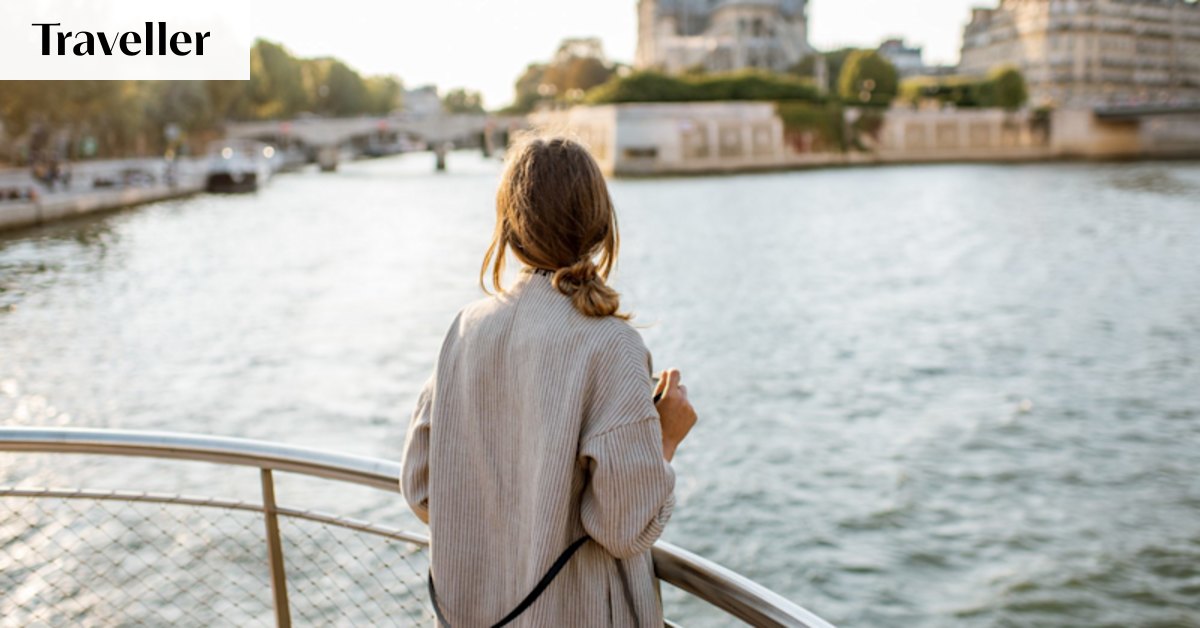
February 21, 2026 — 2:00amSaveYou have reached your maximum number of saved items.Remove items from your saved list to add more.Save this article for laterAdd articles to your saved list and come back to them anytime.Got itAAAThere’s nothing quite like the feeling of walking into a room and sensing everyone’s eyes are on you.When I enter the ship’s dining room on the first night of my river cruise it isn’t just my lateness that catches people’s attention, it’s obvious I’m the only person travelling alone.Illustration: Jamie BrownFor the rest of the passengers, that makes me a curiosity: a lone traveller is a square peg in a round hole when everyone else is partnered with friends or family. While I usually love the anonymity of solo travel, there’s no disappearing into the background when you’re on a small ship.I know that if I don’t want to be watched for the duration of the sailing, I will have to join a group. But which one? Between check-in and dinner, while I take a jet-lag induced nap, everyone else is busy making friends.The Canadians, keen to distance themselves from the Americans, are already tight. By the second night, the party animals have found their tribe. Likewise, the pleasure seekers – I spot them sipping cocktails on the deck as we sail into the sunset.Sign up for the Traveller Deals newsletterGet exclusive travel deals delivered straight to your inbox. Sign up now.The US travellers bond over their uncomfortable status. From being citizens of “the greatest country in the world” they now seem a little hesitant when people ask them where they’re from.On this ship, the Brits are easily identified by their travelling costumes: they’re dressed head to toe in beige.Solo travel may be on the rise, but in the animal kingdom being social is an almost universal survival technique. Once I realise everyone is looking at me, I decide I need to make some alliances. Better to join the pack than be the prey.At breakfast, I reserve the right to eat alone but otherwise, “May I join your table?” becomes my opening line. While not as charming as the strategy used by an old friend – whose cheerful offering to share his bag of hot chips with strangers: “Fancy a chip?” – is still the best ice-breaker I’ve heard, it does the job.According to UK psychologist Saul McLeod, humans use stereotypes to organise people into groups in order to reduce the amount of thinking we have to do when we meet a new person. I soon realise I’m doing the same. Family groups? Already completely happy with their own company. Big drinkers? Noooo. Australians? Too familiar. I want to meet people unlike myself. It’s obvious I need to find a table of travellers from the UK.On this ship, the Brits are easily identified by their travelling costumes: they’re dressed head to toe in beige. On our first encounter I’m secretly delighted by their commentary on cuisine and cutlery. One retiree, Mick Dundee-style, imperiously informs the waiter, “That is not a spoon, this is a spoon.” The spoon the waiter passes the woman is indeed a spoon, he insists. Of course it is, it’s just not a soup spoon. The back and forth is worthy of the late, great actor Maggie Smith.Related ArticleThe stereotypes that play out before me inevitably fall away as we all get to know each other better. Everyone soon finds a place revealing, over our time together, a modern expression of “the evolution of human social organisation and instinctive behaviour” as described by decades of research.The cliquey Americans? After they invite me to dine with them, we share hours of conversation and I discover they’re adept at navigating political and social divides with curiosity and kindness. My UK friends warm up, and I find myself talking to people with long and interesting lives, their dry sense of humour as familiar as the diet of BBC reruns I grew up watching. The Canadians are as expected – just as lovely and laid-back as the characters in Schitt’s Creek. I’ll never know what stereotype the other passengers assigned me, but if my own experience is typical, it was likely to be wrong. I can only hope I smashed their preconceptions.SaveYou have reached your maximum number of saved items.Remove items from your saved list to add more.Justine Costigan is a Melbourne writer.Traveller GuidesFrom our partners