Toyota is already offering a $5,000 discount and 0% financing on its new EVs
The 2026 C-HR and bZ Woodland electric SUVs are just arriving at dealerships, and Toyota is already discounting them.
Toyota offers discounts and 0% interest rates on new EVs
While the new 2027 Highlander EV, Toyota’s first three-row electric SUV, is stealing the spotlight, the new C-HR and bZ Woodland quietly went on sale.
The C-HR was expected to be Toyota’s most affordable electric SUV as a smaller electric crossover than the 2026 bZ. However, we learned that the 2026 C-HR starts at $37,000, slightly higher than the bZ, which starts at $34,900.
While it wasn’t the $30,000 EV we were hoping for, a $5,000 customer cash bonus is close enough. Toyota launched discounts, financing deals, and other incentives for its newest EVs this week. Advertisement - scroll for more content
The 2026 Toyota C-HR, bZ, and bZ Woodland are all available with a $5,000 customer cash discount or 0% APR financing for up to 72 months.
With $5,000 off, the bZ’s starting price drops to under $30,000, the C-HR to around $32,000, and the bZ Woodland starts at about $40,000.
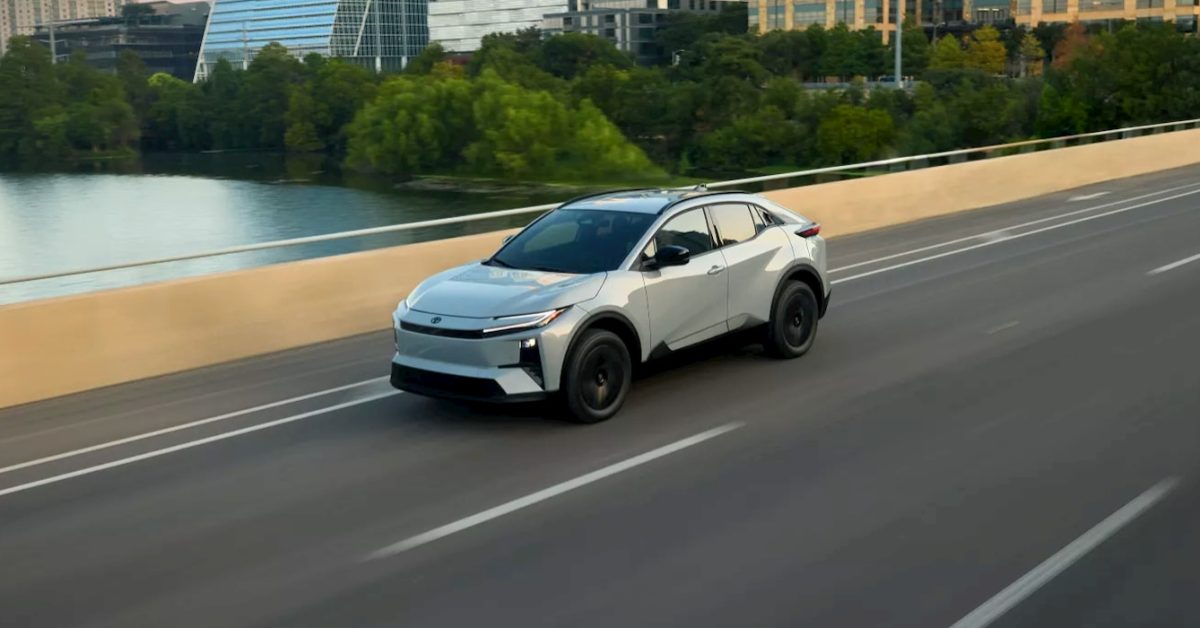
2026 Toyota C-HR electric SUV (Source: Toyota)
Unlike the bZ, the C-HR comes with standard all-wheel drive (AWD). Upgrading to the AWD bZ costs an additional $5,000, making it more expensive than the smaller crossover.
The C-HR’s dual-motor setup delivers up to 338 hp, which enables a 0-60 mph acceleration time of about 5 seconds.
2026 Toyota bZ electric SUV (Source: Toyota)
The 2026 Toyota bZ, C-HR, or bZ Woodland?
Powered by a 74.7 kWh battery, the C-HR has up to 290 miles of driving range. The bZ, on the other hand, is available with 57.7 kWh or 74.7 kWh batteries, providing up to 236 miles and 314 miles of range, respectively.
Measuring 177.9″ in length, 72.6″ in width, and 63.8″ in height, the C-HR is 6.7″ shorter than the bZ. It’s closer to the size of the Kia Niro or Volvo EX30.
Both feature Toyota’s updated interior design and latest Multimedia infotainment system. The setup includes a 7″ driver display and a larger 14″ central touchscreen with wireless Apple CarPlay and Android Auto (2026 C-HR interior picture on the right, bZ on the left).
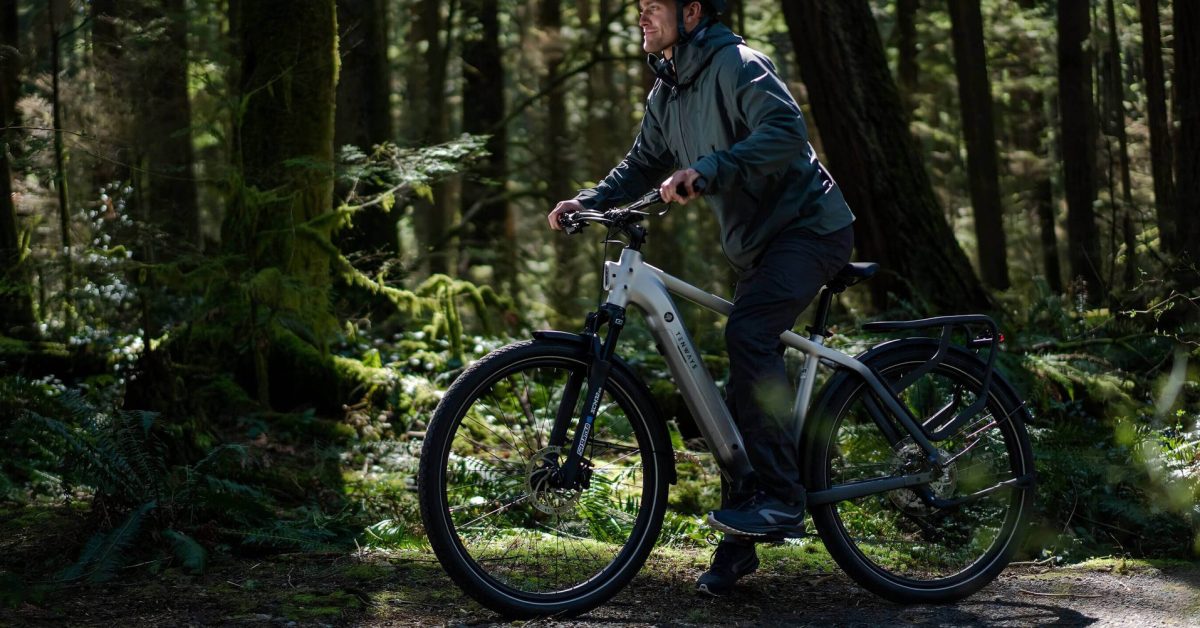
The 2026 bZ Woodland is bigger than both, at nearly 6″ longer than the standard bZ. The added length provides an additional 30 cubic feet of cargo space.
2026 Toyota Woodland electric SUV (Source: Toyota)
It also comes with a standard AWD powertrain that delivers a combined 375 horsepower, or 37 hp more than the 2026 bZ.
As more of an off-road, all-terrain electric SUV, the bZ Woodland has a more upright stance, 8.3″ of ground clearance, and a towing capacity of 3,500 lbs.
The bZ Woodland is only offered with the extended range 74.7 kWh battery. However, due to the added power, the driving range drops to 260 miles.
2026 Toyota C-HR electric SUV (Source: Toyota)
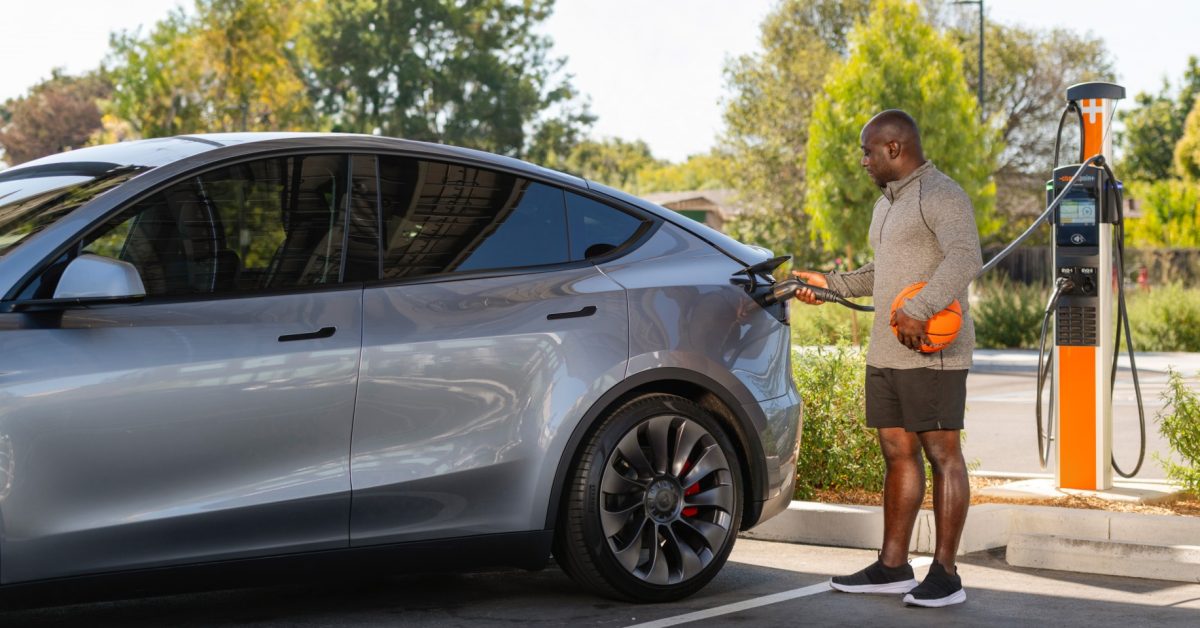
All of Toyota’s new EVs (the 2026 bZ, C-HR, and bZ Woodland) have a built-in NACS charge port, enabling drivers to recharge at Tesla Superchargers. Using DC fast charging, Toyota’s electric SUVs can recharge from 10% to 80% in about 30 minutes.
The new and improved 2026 bZ was already among the top-selling EVs in the US last month. Will the C-HR or bZ Woodland be a bigger hit?
Which one would you choose? The bZ, C-HR, or bZ Woodland? Or, are you holding out for the new three-row Highlander EV that goes on sale later this year? Let us know in the comments.
Want to check out Toyota’s new electric SUVs for yourself? We can help you get started. You can find 2026 Toyota bZ, C-HR, and bZ Woodland models in your area using the links below.
FTC: We use income earning auto affiliate links. More.