Volvo Can Finally Build A Proper Electric Wagon. Here’s Why
Volvo technology boss confirms its new SPA3 platform can underpin "super sleek" EVs.
He didn't confirm one is on the way, but did say that wagons are a big part of Volvo's identity.
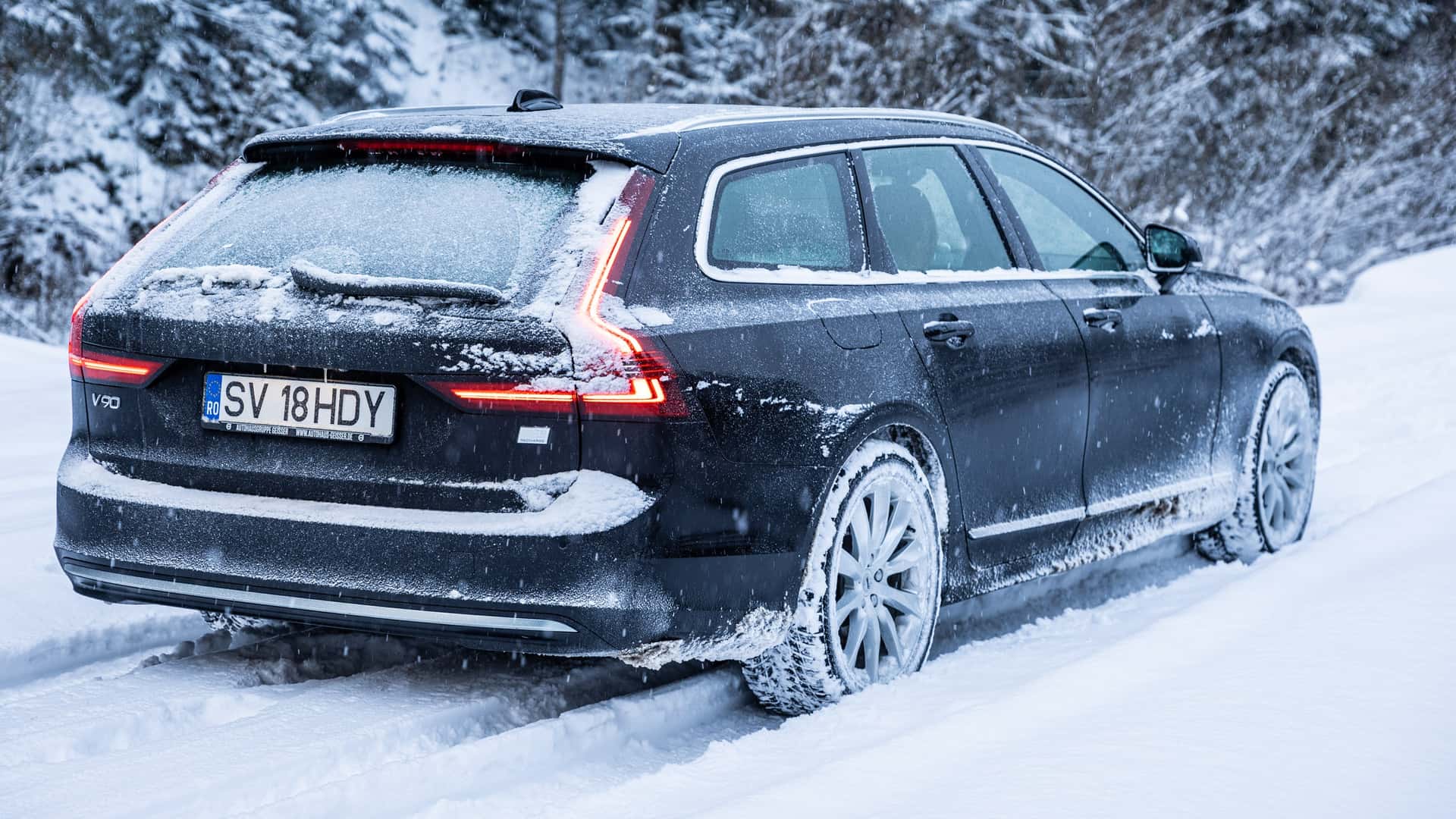
Volvo stopped production of the V90 in 2025, leaving room for an all-electric replacement to arrive at some point.
Take one look at the new Volvo ES90 and something appears off. It’s neither a traditional fastback nor a coupe-like crossover. It’s somewhere in between, and the way it looks (specifically its height) is partly a design choice, and partly dictated by its platform. But Volvo says its new platform allows it to finally built low-to-the ground EVs, which means it could finally build a proper battery-powered wagon.
The SPA2 platform on which the ES90 is built makes it difficult to build a true sedan or wagon. This is because SPA2 is a derivative of a combustion car platform. That comes with packaging limitations. It also underpins the Volvo EX90, the electric equivalent of the XC90 and the Polestar 3 crossover.
This packaging issue likely led to the Polestar 5, a low-slung Porsche Taycan rival, being built on a bespoke platform called PPA (short for Polestar Performance Architecture) rather than on the SPA2 platform. It’s also the reason why when you sit in the back of so many combustion-car-based EVs, your knees are pushed up by their unusually high floor. The outgoing Mercedes-Benz EQA and EQB were especially problematic in this regard, but it's true of most ICE platform-based EVs to some extent.
With the new SPA3 platform, which is a dedicated EV architecture, that’s all about to change. Autocar talked to Volvo’s chief technology officer, Anders Bell, who explained that what has defined the height of Volvo’s EVs has been the position of the rear seat, which has to be higher because you’re sitting on top of the battery pack.
Bell explains that in cars like the ES90, the passenger footwells must sit on top of the battery, which will no longer be the case with models built on the SPA3 platform. He said “If you have an evenly flat pack throughout the whole length of the vehicle, you get this penalty,” adding that this is why so many EVs “look like baby SUVs, even if they try to be low.”
With SPA3, Volvo can now remove cells in a specific part of the battery pack, thus creating more room for passengers’ feet. This, in turn, allows the manufacturer to lower the seat and reduce the vehicle's overall height.
It sounds like a no-brainer to be able to do this, but it’s actually a pretty rare solution even among bespoke EVs. The only one that comes to mind with a similar setup is the Lucid Air Pure with the smaller 84-kilowatt-hour battery pack, which has more room for second-row occupants’ feet than in big-battery variants of the model. The top-end models actually get a different floorpan to accommodate the larger pack.
Another change that enables Volvo to lower SPA3 cars is the downward-facing battery terminals, which free up additional footwell space.
“We can do low. We can do sleek. We can do high. We can do MPVs,” Bell said. “What we choose to do, however, is a different story.”
The world wants crossovers, which is why Volvo's first SPA3-based model is the EX60, an electric equivalent to the XC60. We were present at its unveiling in Sweden and it certainly shows promise for the platform both in terms of packaging and specs—it's the longest-range Volvo in the current lineup.
2023 Volvo V90 T8 Recharge
Photo by: Iulian Dnistran / InsideEVs
But not everyone wants a high-riding vehicle; there must still be fans of the iconic squared-off Volvo wagon out there looking to go electric. Bell didn’t confirm an electric wagon is in the works currently, but he did say the platform can be the base for some "very low, like proper low” vehicles, “so we can make super-sleek cars” where the battery pack no longer dictates the height of the roof.
Between 2016 and 2025, Volvo made one of the modern era’s prettiest wagons, the V90. Now that it’s no longer in production, it has left a distinctly wagon-shaped void in the Swedish automaker’s lineup, which could be filled by an equivalent EV.
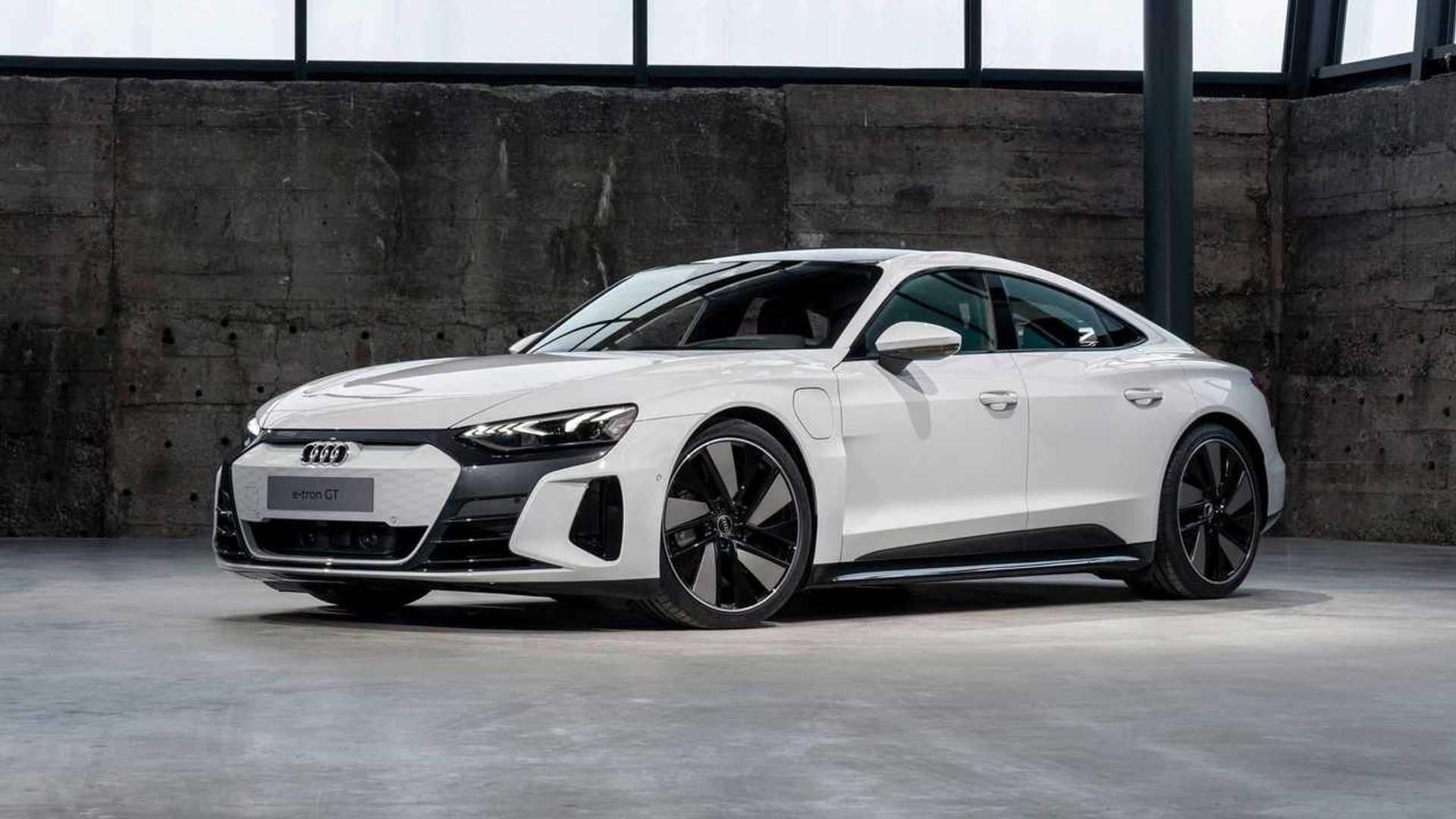
There aren't that many electric wagons available today. The BMW i5 Touring is one of them, with a Touring version of the Neue Klasse i3 reportedly in the works. You can also get the Porsche Taycan as a wagon, although it's not especially cavernous or practical. Audi also sells an Avant version of its A6 E-Tron in Europe and Zeekr will also launch the 7GT wagon later this year, when it will become the continent's fastest-charging EV. But Volvo's the big name in wagons, and I'm excited to see what they come up with.
We want your opinion!
What would you like to see on Insideevs.com?
Take our 3 minute survey.
- The InsideEVs team