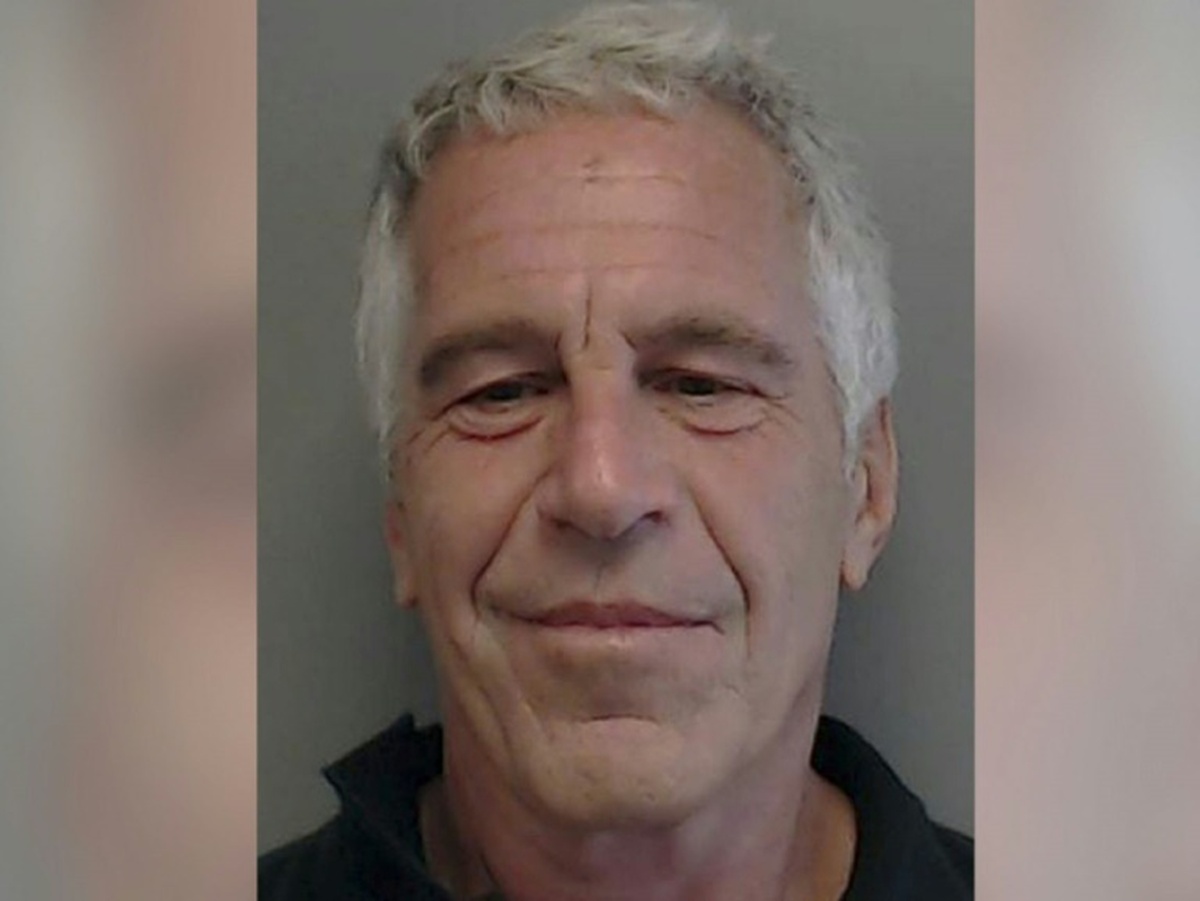
Jeffrey Epstein Hired a Philippine Team to Wipe Google—Who Were They?
Documents from the United States Department of Justice reveal that Jeffrey Epstein, the late convicted sex offender, hired a Philippine-based team in 2010 to manipulate online content about him. Email exchanges between Epstein and Al Seckel, who is married to Ghislaine Maxwell's sister, show efforts to remove negative search results from Google and emphasise his philanthropic work.The emails indicate that the team was tasked with suppressing searches such as 'Jeffrey Epstein jail' and 'Jeffrey Epstein pedophile'. The operation also targeted Wikipedia pages and other websites to highlight Epstein's involvement in science, philanthropy and his foundation. The identities of the individuals or firms involved remain undisclosed, leaving unanswered questions about who carried out the digital work.Strategy Included Link-Building and Pseudo SitesAccording to the DOJ documents, Seckel described the team as building links to multiple websites to shape search results. The goal was to ensure that positive content appeared at the top of search engines while references to Epstein's criminal history were pushed down.In an email from December 2010, Seckel wrote that Wikipedia had been an 'important victory' because it appeared at the top of search results and now focused on his philanthropic work rather than criminal convictions.The documents show that the strategy was systematic and coordinated. The team created numerous pseudo-sites and emphasised stories about Epstein's scientific contributions, sporting involvement and charitable donations. The aim was to create the appearance of a public figure engaged in socially beneficial activities, masking the allegations and criminal record.Context of Epstein's Legal HistoryJeffrey Epstein was arrested in 2019 in the United States on charges of sex trafficking and abusing underage girls. He had faced multiple accusations over several years in both the United States and abroad. Epstein died in jail later that year while awaiting trial.The revelation of his 2010 efforts to manipulate online content provides new insight into the extent to which he sought to protect his reputation before his arrest.The use of a foreign-based team in the Philippines is notable, as it highlights a deliberate effort to outsource online reputation management outside the United States. It also underscores the growing role of digital manipulation in shaping public perception for high-profile individuals accused of serious crimes.Analysis of the DOJ EmailsThe DOJ documents offer a rare look into Epstein's digital strategy. The emails show direct instructions and oversight, illustrating the deliberate nature of the campaign.Seckel repeatedly referenced the Philippine team's work and tracked progress in suppressing negative links. Despite this level of detail, the documents do not identify the individuals or companies involved, leaving the question of accountability unresolved.The emails also emphasise the intended impact on Google search results and public perception. Epstein's team prioritised controlling narratives on platforms such as Wikipedia, which continue to hold a significant influence on online reputation.The operation appears to have been extensive and ongoing over months, demonstrating a calculated approach to digital influence.Current Public Knowledge and Unanswered QuestionsWhile the DOJ files confirm the existence of the Philippine-based team, no further public disclosures have identified the people or organisations involved. Media coverage has focused on the methods and scale of the operation rather than individual responsibility.The question posed by the headline, why the team was never named, remains unanswered. The documents themselves provide only a glimpse into the scope and sophistication of Epstein's online reputation management efforts.The case raises broader questions about the use of foreign contractors to manipulate digital content, especially in the context of serious criminal allegations. It also illustrates how online platforms can be leveraged to suppress negative information, shaping public perception in ways that may obscure criminal activity.