Farage’s friendship with Donald Trump is becoming his biggest vulnerability
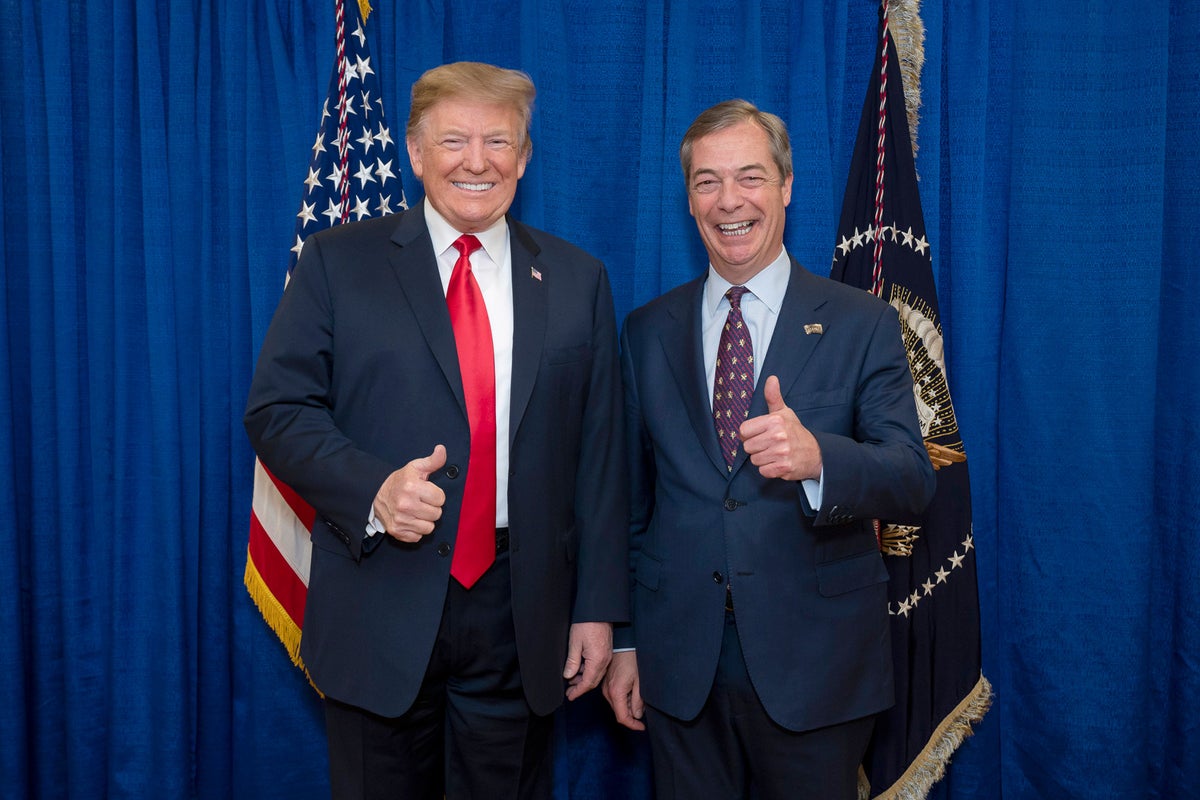
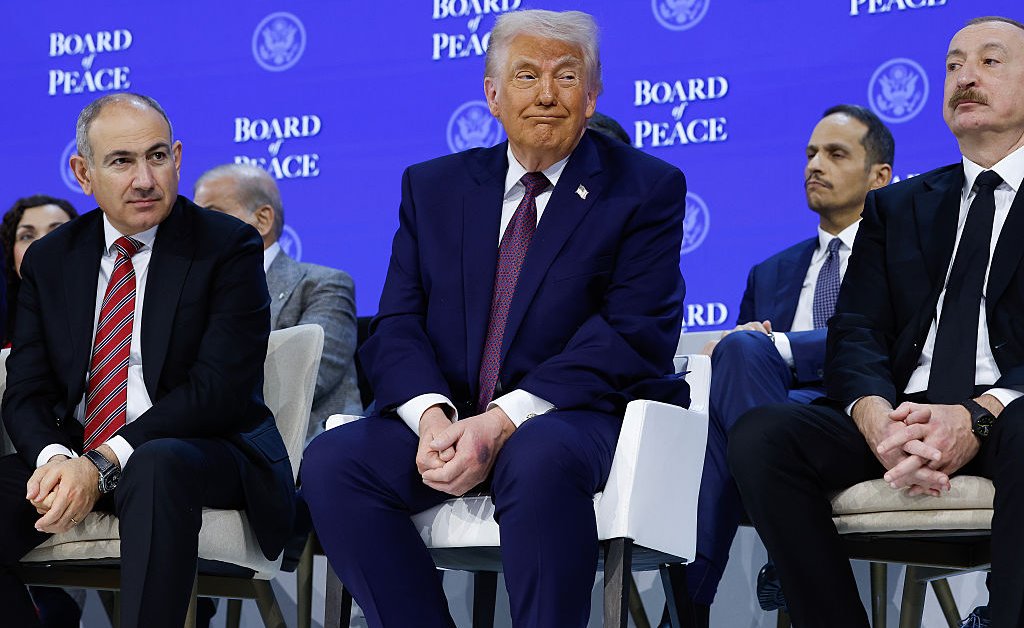
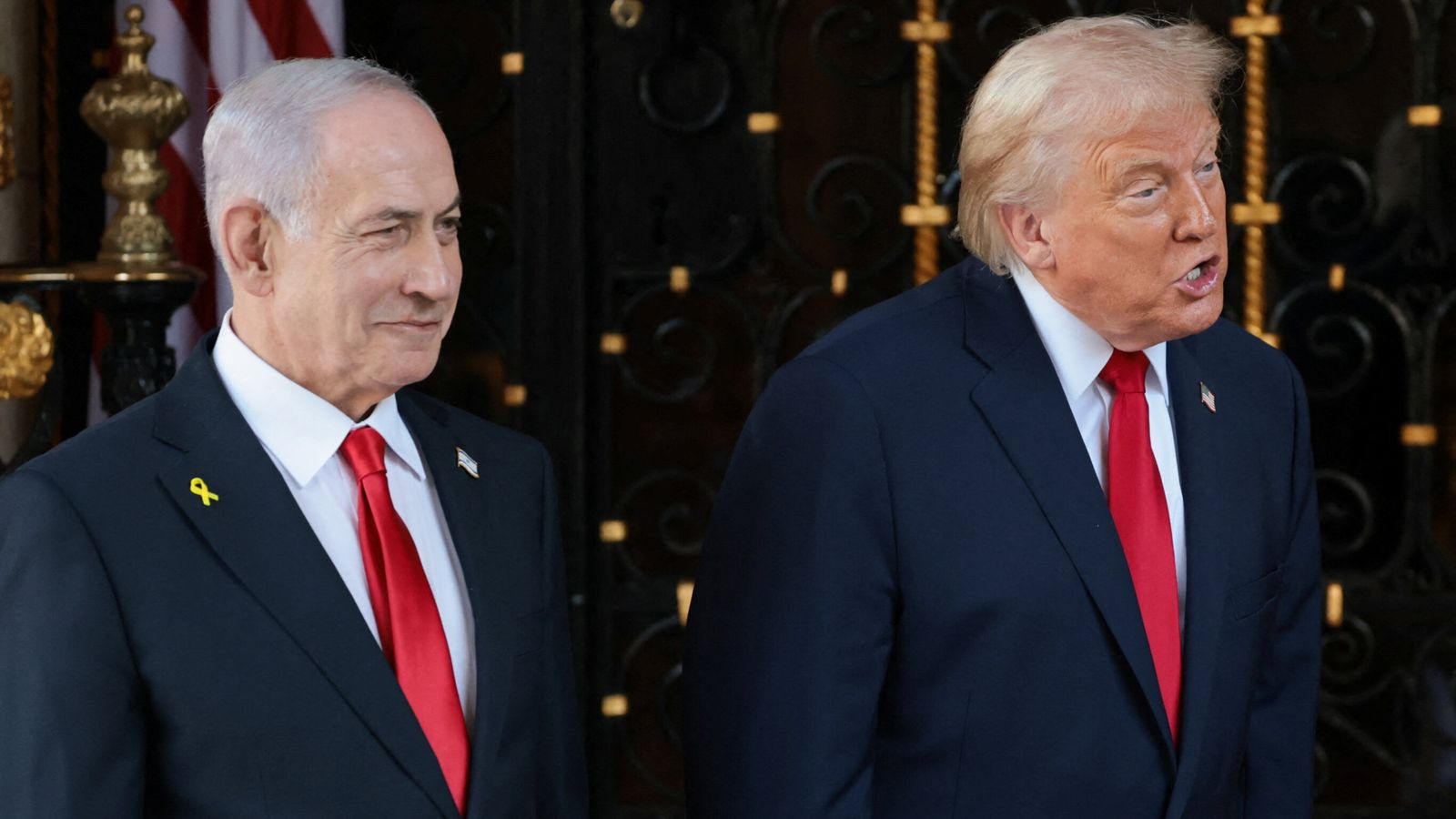
It is no secret that Nigel Farage has done his utmost to cosy up to Donald Trump. From attending rallies to testifying against the UK before Congress, Farage has firmly made his bed by courting Washington’s Maga elite. But Trump’s attacks on the UK – from threats of tariffs to downplaying Britain’s military – have exposed just how costly that relationship could become. When pressed, Farage scrambled to distance himself, but the damage may already have been done.The public have noticed his buddy-buddy act with the Americans – and they do not particularly like it. Last year, polling by the Good Growth Foundation found that voters’ top choice for “the worst thing” about Farage was his closeness to Donald Trump. This held across voting groups, including Labour-Reform switchers and Reform voters themselves. As Trump’s actions increasingly threaten Britain’s economic and security interests, that weakness has only become more pronounced.Despite often being dubbed a one-man band, Reform’s rise is not a ringing endorsement of Farage himself. While more people now tell pollsters they intend to vote for the party, Farage’s favourability ratings remain among the lowest of any political leader. Voters are drifting towards his politics not because they admire the man, but because insecurity has become a defining feature of modern life. Add global volatility – from Russia’s hot war against Ukraine to the US’s trade wars against the rest of the world – and Britain can start to feel like a small ship battered by rough seas.You might assume, then, that the international chaos, as unfolded over Greenland, would strengthen Farage’s hand. After all, populists have often thrived amid disruption, feeding off anger and mistrust as old rules appear to fall away. However, this misunderstands the mood of the British electorate, and especially the voters Reform is trying to win.In focus groups, voters did not see Trump as a strongman restoring order to a broken world. They saw him as a source of instability in his own right (even before the invasion of Venezuela and the escalation over Greenland). One Reform voter in Erewash, Derbyshire, told us: “I fear he is a dangerous man … I just think he could be responsible for leading us into another war somehow.” This is not a fringe sentiment. Last year, we found Britons were more likely to regard Trump as the biggest threat to UK national interests than terrorist organisations – and one can only imagine what the numbers would be now.This is the crux of Farage’s problem. Reform’s rise is rooted in insecurity, but insecurity does not automatically produce an appetite for anarchy. For years, people have been impatient with politics. Too often, it has failed to deliver stability in their lives: affordable bills, functioning public services and a sense that tomorrow will be better than today. When voters feel exposed, they look for something solid to hold on to – not a leader whose closest political ally appears willing to tear up the international rulebook.Unlike Trump, Farage does not have executive power. He cannot wield the same bully pulpit. Instead, he becomes the junior partner to voters’ clearest symbol of instability and is left stranded. Farage cannot defend the indefensible, but nor can he convincingly break with a figure he has spent years praising.Nigel Farage’s friendship with US president Donald Trump could cost him dearly (PA Media)Voters increasingly want stability, and many instinctively associate that with closer co-operation with Europe. That is why mutterings about a more expansive relationship with the EU are growing louder, and why last year’s understated but significant reset mattered. It showed that cherry-picking access to the single market can be possible.Yet the greatest source of instability remains the war in Ukraine, and addressing it will require American buy-in. Despite the turbulence, keeping the US on side will be instrumental to resolving the conflict. For the government, that creates both risk and opportunity. Successfully navigating that tension – working closely with Europe, treading carefully with China, while keeping Washington engaged – may prove central not just to Britain’s security, but to restoring confidence and growth at home.For Farage, however, Trump’s turn to old-school power politics is a liability. Every escalation, every breach of international norms, every reminder of how exposed Britain is without reliable allies chips away at his appeal. The more Trump dominates the global agenda, the better Europe looks – and the harder it becomes for Farage to argue that his brand of politics would make Britain safer, richer or more secure.In the end, Trump may not be the wind in Farage’s sails, but the weight around his feet. In a political moment defined by instability, the politician most closely associated with chaos abroad risks paying a heavy price at home. Praful Nargund is the director of the Good Growth Foundation