Bradford NHS Trust advertised job for midwife to help cousin-parents
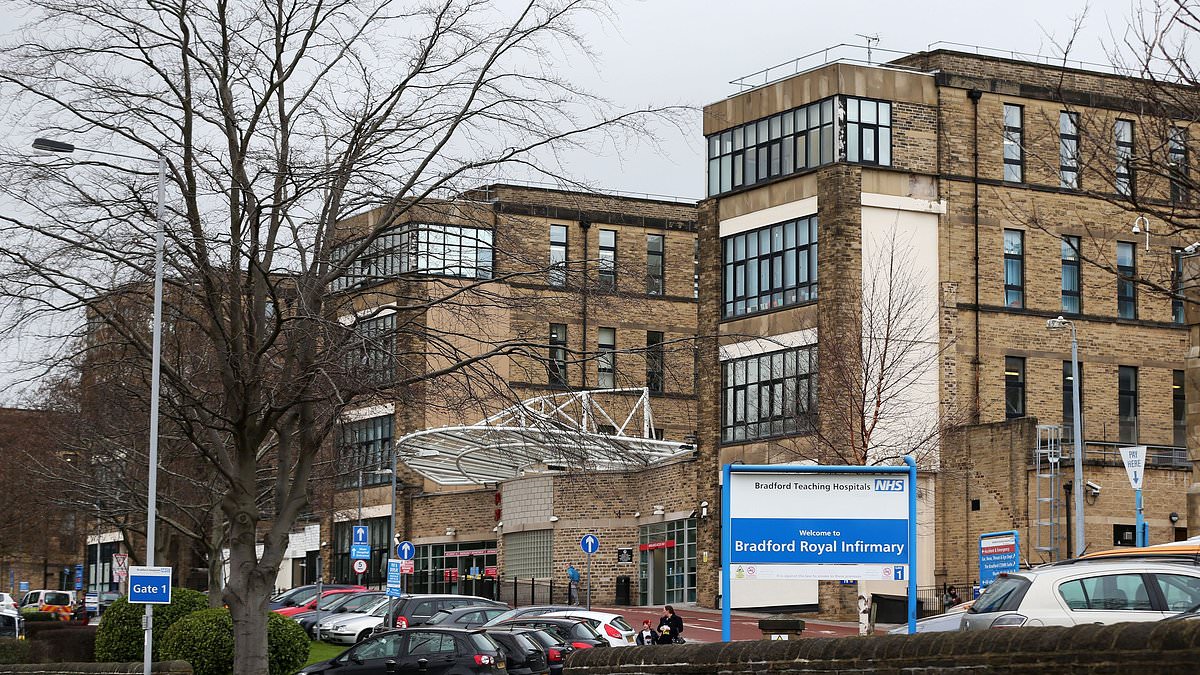
A Bradford NHS Trust advertised a position for midwife or nurse to help families who are having children and are closely related. Bradford Teaching Hospitals NHS Foundation Trust released an advertisement for 'Close Relative Marriage Nurse/Midwife' for its neonatal intensive care unit (NICU).The role explained the successful candidate would provide 'comprehensive care and support to families who have recently had a baby and are close relatives'. Cousins, uncles, aunts, as well as 'other closely related family members', were listed as examples by the Trust. A prospective nurse or midwife in the role would be expected to 'proactively work' with families who practice close relative marriages to promote a greater understanding and awareness of genetic testing and health issues. They would also be tasked with liaising across different healthcare teams to ensure the wellbeing of newborns, particularly when it comes to genetic risks and health problems that could arise due to parents having a common ancestor.It is against the law to marry your sibling in the UK, however weddings between cousins are permitted. There have been growing calls to ban marriage between cousins as the practice carries an increased risk of birth defects and can be used to oppress women. However, Sir Keir Starmer previously indicated Labour would block any attempt to ban first cousin marriage in England and Wales. An advertisement for a 'Close Relative Marriage Nurse/Midwife' was advertised by Bradford Teaching Hospitals NHS Foundation Trust amid calls to ban first cousin marriage in England and Wales Richard Holden, the Conservative MP behind the Marriage (Prohibited Degrees of Relationship) Bill which has been seeking to ban first cousin marriage since he was a backbench MP in 2024And during a debate on first cousin marriage in the Commons in 2024, the practice was backed by Independent MP Iqbal Mohamed. Mohamed, representing Dewsbury and Batley, said MPs should avoid 'stigmatising' the issue, which is seen as 'very positive' in some communities.Instead of banning it outright, he said a 'more positive approach' involving advanced genetic tests for prospective married cousins would be more effective in addressing issues around it.Mr Mohamed, who is part of the Independent Alliance of MPs – including ex-Labour leader Jeremy Corbyn, faced criticism from senior Tories for defending the practice. Robert Jenrick, who was then a Conservative spokesman, described his oppoistion to the the Marriage (Prohibited Degrees of Relationship), Bill as 'shocking'.'It’s shocking that an MP would defend this revolting practice which is linked to birth defects and abusive relationships,' he said. 'We know this is causing immense harm. This practice has no place in the UK.'In Bradford, a 2024 study found nearly half of the female Pakistani community were in a 'consanguineous relationship' meaning they have a common ancestor.
Sir Keir previously signalled that Labour would block any attempt to introduce a legal ban on first cousins being able to marry in England and WalesRead More Fury after woke NHS supports first-cousin marriages despite risk of birth defects Meanwhile, Shadow Transport Secretary Richard Holden, who is behind the Marriage (Prohibited Degrees of Relationship) Bill, has been backing calls to ban the practice since 2024, insisting it has 'only massive downsides' for health and welfare. Of the job advert, he told The Telegraph: 'The impact of first cousin marriage is highly damaging for health, individual freedom, and most importantly for the cohesion of our country. 'Rather than wasting taxpayers' money dealing with the consequences of first cousin marriage, the Government should back my bill and bring an end to this practice for good.'The Close Relative Marriage Nurse/Midwife advert, which offered an annual salary of between £37,338 to £44,962, has since closed. It is understood the position of 'Close Relative Marriage Nurse/Midwife, which is part of a national programme funded by NHS England, is currently vacant. While noting there were 'very few' nurses and midwives of this type in the country, the advert hoped an individual in the position would help parents make informed choices in an 'empowering' and 'culturally sensitive' manner. The role description, which was published in March 25, laid out that the successful candidate would be expected to help begin 'sensitive' and 'appropriate' conversations with families who had been impacted by disorders linked to close relative marriages. Marriages between cousins was once common place among Britain's upper echelon and seen as a practice to strengthen alliances and keep wealth and land within families. Despite falling out of fashion, the practice is still common in some communities, such as travellers. Close relative marriages are practiced among some South Asian minorities.But, as of May 2025, experts estimated just one per cent of white British couples were first cousins. Meanwhile, experts first began tracking the prevalence of consanguinity in Bradford – home to one of the UK's biggest Pakistani communities – in the late noughties.Almost 12,500 pregnant women were quizzed about their relationship status with the father of their child.The Born in Bradford study was later repeated with another cohort of 2,400 women between 2016 and 2019.The study found that cousin relationships are no longer a 'majority' in Bradford's female Pakistani community amid rising awareness of the birth defect risks.A decade ago, a Government-funded surveillance project found that 62 per cent of Pakistani heritage women were in consanguineous relationships. This figure has since dropped to 46 per cent, according to researchers.It was said that the figures from the study could indicate that the numbers of Pakistani people marrying cousins across the UK as a whole is falling.Reasons behind the fall are thought to include high educational attainment, stricter immigration rules and changes in family dynamics.Writing in their study, the team said: 'It may be we are seeing generational changes, and newly evolving societal norms.'But these changes need to be monitored to see if they are indications of a lasting change and they need to be considered in other settings where consanguinity is common to see how widespread these reductions in consanguinity are.' In January, the Mail on Sunday revealed the NHS is teaching midwives the 'benefits' of cousin marriage despite the increased risk of health issues with consanguineous parents. This graphic, from NHS material distributed to couples in Bradford, explains some of the genetic risks of having children with a close relative. Two parents with a recessive gene have an increased chance of having a child with an inherited conditionThe guidance said concerns about the risks of congenital diseases are 'exaggerated' and 'unwarranted' on the grounds that '85 to 90 per cent of cousin couples do not have affected children'.The national average rate for unaffected children stand at 98 per cent. While it confessed there were 'risks to child health associated with close relative marriage', the guidance maintained these should 'be balanced against the potential benefits... from this marriage practice'.It also said that marrying a relative could not only offer 'economic benefits' but 'emotional and social connections' as well as 'social capital'. The Daily Mail has approached NHS England, West Yorkshire Integrated Care Board and Bradford Teaching Hospitals NHS Foundation Trust for comment.