Mounjaro maker Eli Lilly flattens Wegovy rival Novo Nordisk in battle of the fat jabs
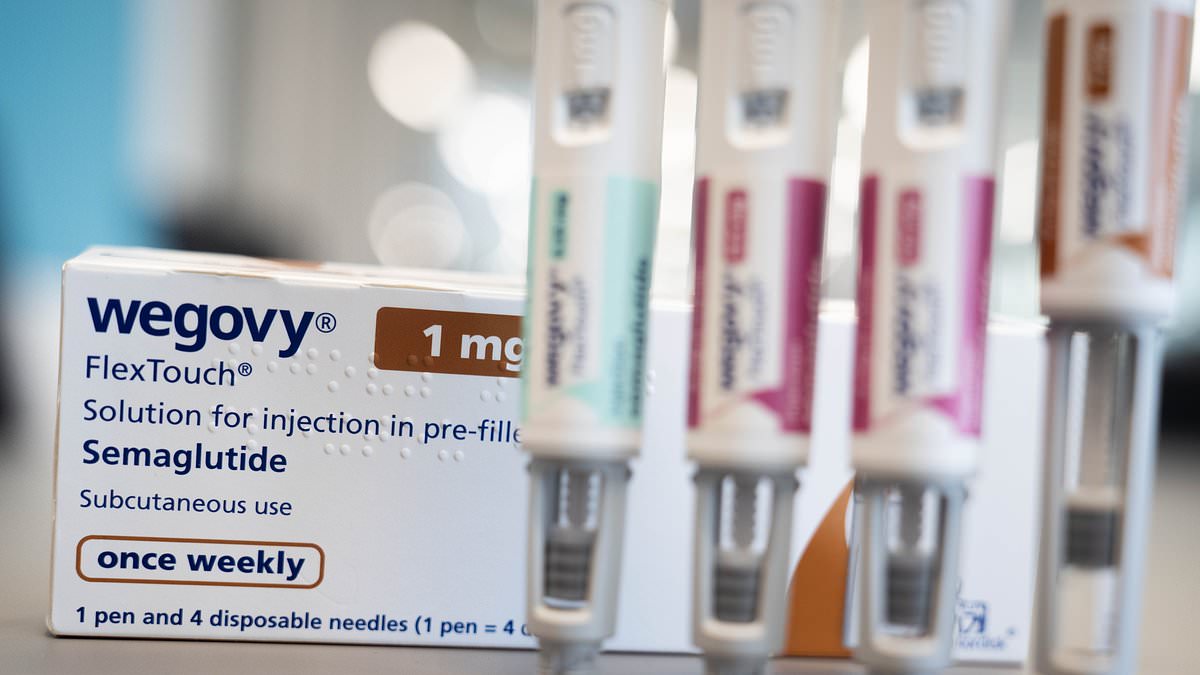
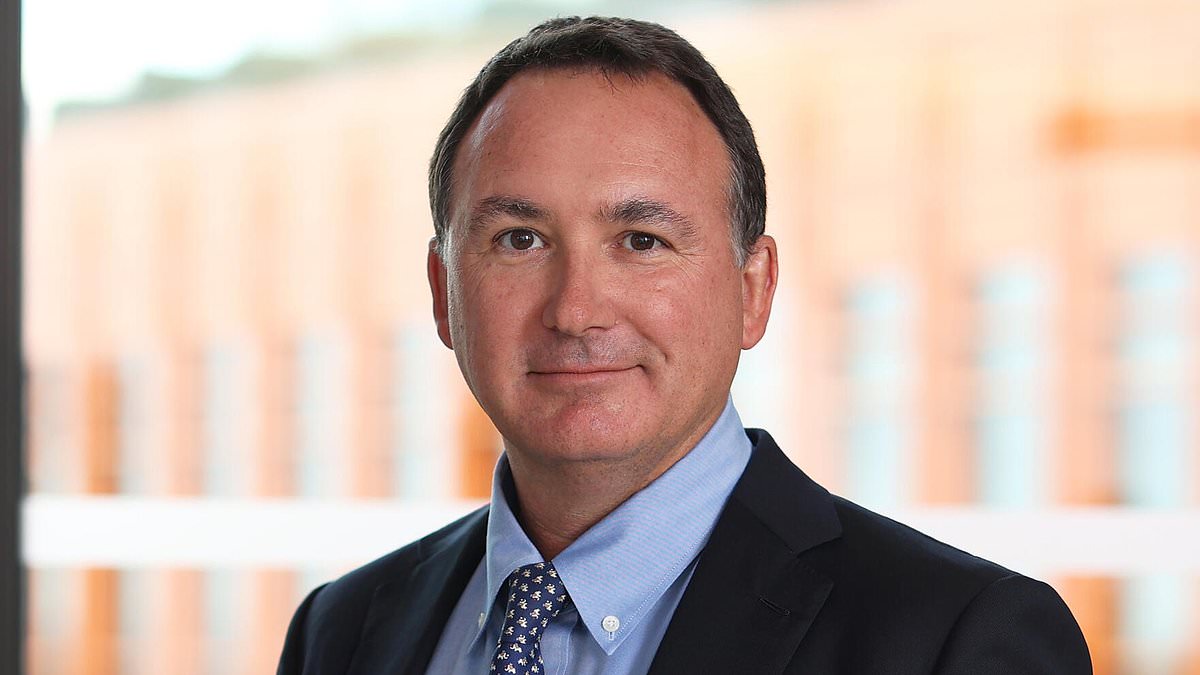
The American maker of Mounjaro has struck a decisive blow against its European rival behind Ozempic and Wegovy as the battle of the fat jabs intensifies.On a dramatic day for the weight-loss drugs industry, US giant Eli Lilly said it expects sales to rise by as much as 27 per cent this year, sending shares in the company up 10 per cent on Wall Street.The bumper update came just hours after Danish firm Novo Nordisk warned its sales could fall by 13 per cent, leaving its shares down a punishing 17 per cent on Wednesday alone and 70 per cent since their peak in mid-2024.The twin updates cemented Lilly’s position at the top of the obesity drugs market and came as the new boss of British pharmaceutical group GSK said it has no plans to develop its own range of weight-loss treatments – describing the market as ‘very crowded’.Chris Beauchamp, chief market analyst at IG, said: ‘Novo’s warning seems to cement the narrative that is the junior player in the market, while Lily goes from strength to strength, and without a major surprise Novo is going to find it hard to change that.’ A Zepbound injection made by Eli Lilly and Novo Nordisk's Wegovy treatmentLilly has become the first pharmaceutical company to be valued at $1trillion (£730billion) as it cashes in on booming demand for weight-loss drug Zepbound in the US and Mounjaro internationally, including in the UK where it is dubbed the ‘King Kong’ of slimming jabs.Shares are trading close to record highs and are up more than five-fold over the past five years.By contrast, Novo shares more than tripled in value between early 2022 and mid-2024, making the Copenhagen-listed company the most valuable in Europe and larger than the Danish economy, as demand for Ozempic and Wegovy took off.But the stock has now fallen back to 2021 levels on concerns over its drug pipeline and waning strength in the US – the largest market for weight-loss medication where Zepbound has stolen a march on Wegovy.Both companies are under pressure from Donald Trump to cut the price of their drugs in the US.But while Lilly appears to have weathered the storm, forecasting sales of up to £60billion this year thanks to huge demand for its drugs, Novo warned investors it is facing ‘unprecedented’ pricing pressures this year as it struggles to keep up.Industry experts said Novo is also falling behind as Zepbound proves more successful in weight-loss than Wegovy.Dr Tim Blackstock, therapy area director at global pharmaceutical analytics company Citeline, said: ‘Greater weight loss efficacy has been the key driver behind Eli Lilly surpassing Novo Nordisk in the obesity space.’Daniel Chancellor, vice president at pharmaceutical intelligence company Norstella, hailed Lilly’s ‘best-in-class drugs’.Novo is fighting back, however, and last month rolled out a Wegovy pill, while Lilly is not expecting a regulatory decision for its rival weight-loss pill until April.More than 170,000 patients have taken the Wegovy pill in the four weeks since its launch, according to Novo chief executive Mike Doustdar.But BMO Capital analyst Evan Seigerman said the win updates show that ‘while Lilly and Novo play in the same markets, the pressures they face are not identical’.Dan Coatsworth, head of markets at AJ Bell, said Novo’s shares have been left ‘in the emergency room… putting even more pressure on management to resuscitate the business’.He added: ‘The weight-loss drugs market has exploded in what many people are calling the biggest opportunity in the healthcare industry for decades. Even though the market is dominated by just two players, one of them is feeling more pain than gain.‘Novo Nordisk has fallen behind with efforts to improve the efficacy of its treatments, leaving Eli Lilly to gobble up market share.’The battle between Lilly and Novo came as the new boss of drugs giant GSK said the company will not be looking to develop its own range of weight loss drugs.Chief executive Luke Miels, who took over from Dame Emma Walmsley at the start of the year, said the FTSE 100 firm would instead focus on developing drugs to treat what he called the ‘downstream effects’ of being overweight.When asked by reporters if the company would consider entering the race to develop a fat jab, Miels responded: ‘No.’‘I think it’s going to be very crowded. The mechanism [for how weight loss jabs work] is fascinating but strategically for us, our focus is more on the downstream effects of obesity rather than addressing the actual obesity itself,’ he added.Miels noted that GSK was currently developing a treatment for liver fibrosis, a condition that can develop if a person is obese for a long period and potentially lead to liver failure.‘That is where we think there could be a lot of disruptive science which could have an impact on patients,’ he said.AJ BellAJ BellEasy investing and ready-made portfoliosHargreaves LansdownHargreaves LansdownFree fund dealing and investment ideasinteractive investorinteractive investorFlat-fee investing from £4.99 per monthFreetradeFreetradeInvesting Isa now free on basic planTrading 212Trading 212Free share dealing and no account feeAffiliate links: If you take out a product This is Money may earn a commission. These deals are chosen by our editorial team, as we think they are worth highlighting. This does not affect our editorial independence.Compare the best investing account for you